
White Paper
Upstream Development

WHITE PAPER
Addressing Upstream
Challenges in Antibody and
Protein Production: Strategies
to Improve Titer and Quality
ProBioCDMO.com
The growing demand for complex biologics, including bispecific antibodies (BsAbs) and fusion proteins, presents significant
challenges for upstream process development. Unlike conventional monoclonal antibodies, these molecules often exhibit
lower expression levels, increased propensity for mispairing, and heightened sensitivity to culture conditions, all of which can
compromise titer and product quality. To address these issues, cell culture development strategies must evolve beyond
traditional platforms to incorporate more tailored approaches. This paper outlines development strategies to overcome the
key challenges in upstream processing of complex biologics, which include:
• Increasing titer
• Controlling lactate metabolism
• Reducing acidic variants
• Optimizing glycosylation
Increasing titer
Increasing IVCD and qP
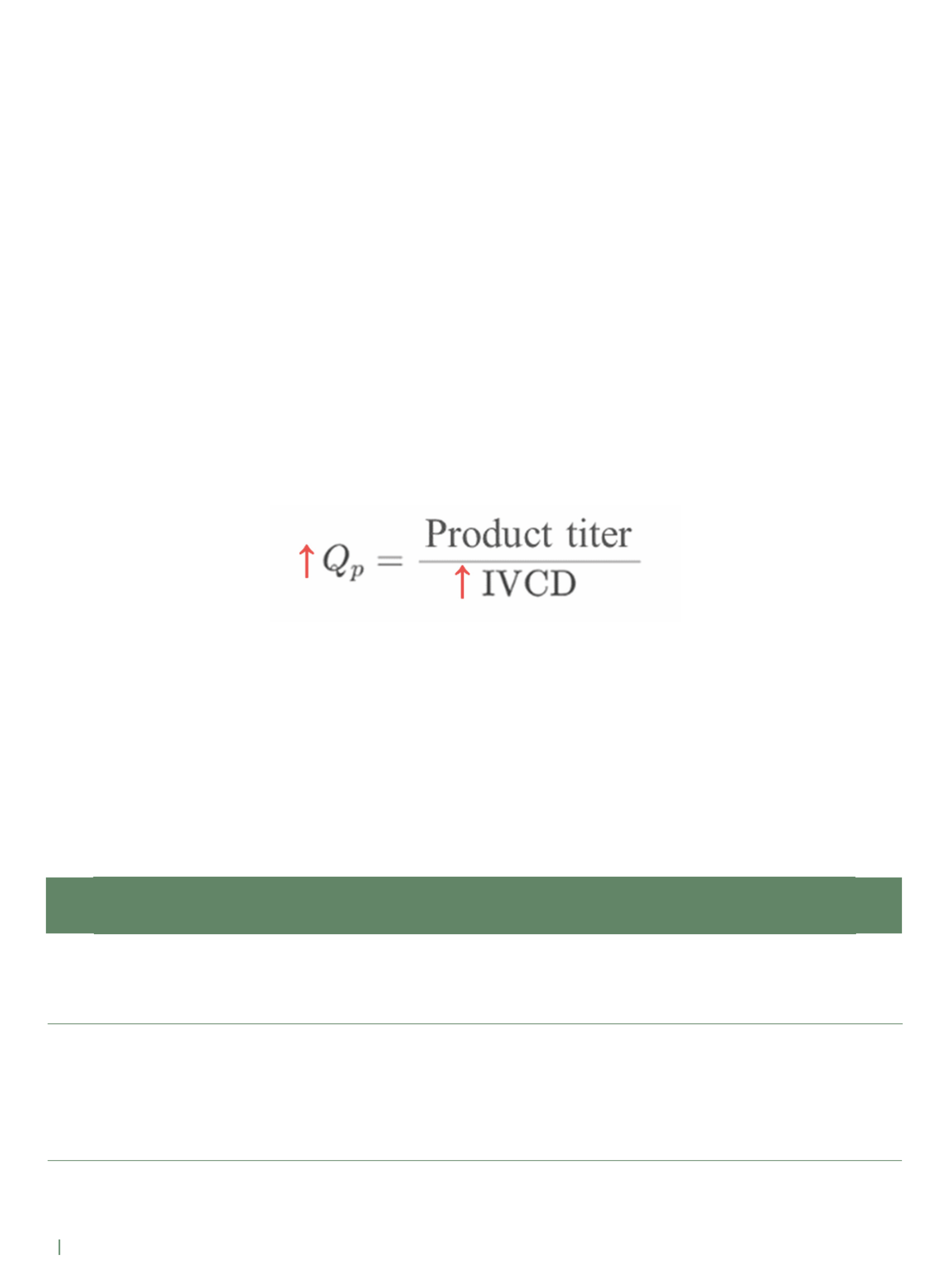
Figure 1. Calculation formula of qP
As illustrated by the equation, protein production can be increased by enhancing the specific productivity (qP) or by
improving cell viability and density to raise the integrated viable cell density (IVCD). The specific strategies for improvement
are summarized in the table below.
Table 1. Methods to improve IVCD and qP
Item
How to increase IVCD (VCD/VIA) ?
How to increase qP ?
• Temp. and pH shift
• pCO₂ and osmolality control
• Temp. shift
• pCO₂ and osmolality control
Process parameters
• Amino acids
• Amino acids
• Kreb's Cycle intermediates
• Antioxidants
• Trace elements and inorganic acids
such as selenite, Fe, Zn, Na
• Others such as cytidine, uridine and
thymidine.
Media components
• Trace elements
1
Addressing Upstream Challenges in Antibody and Protein Production: Strategies to Improve Titer and Quality
Improving cell density by IFB process
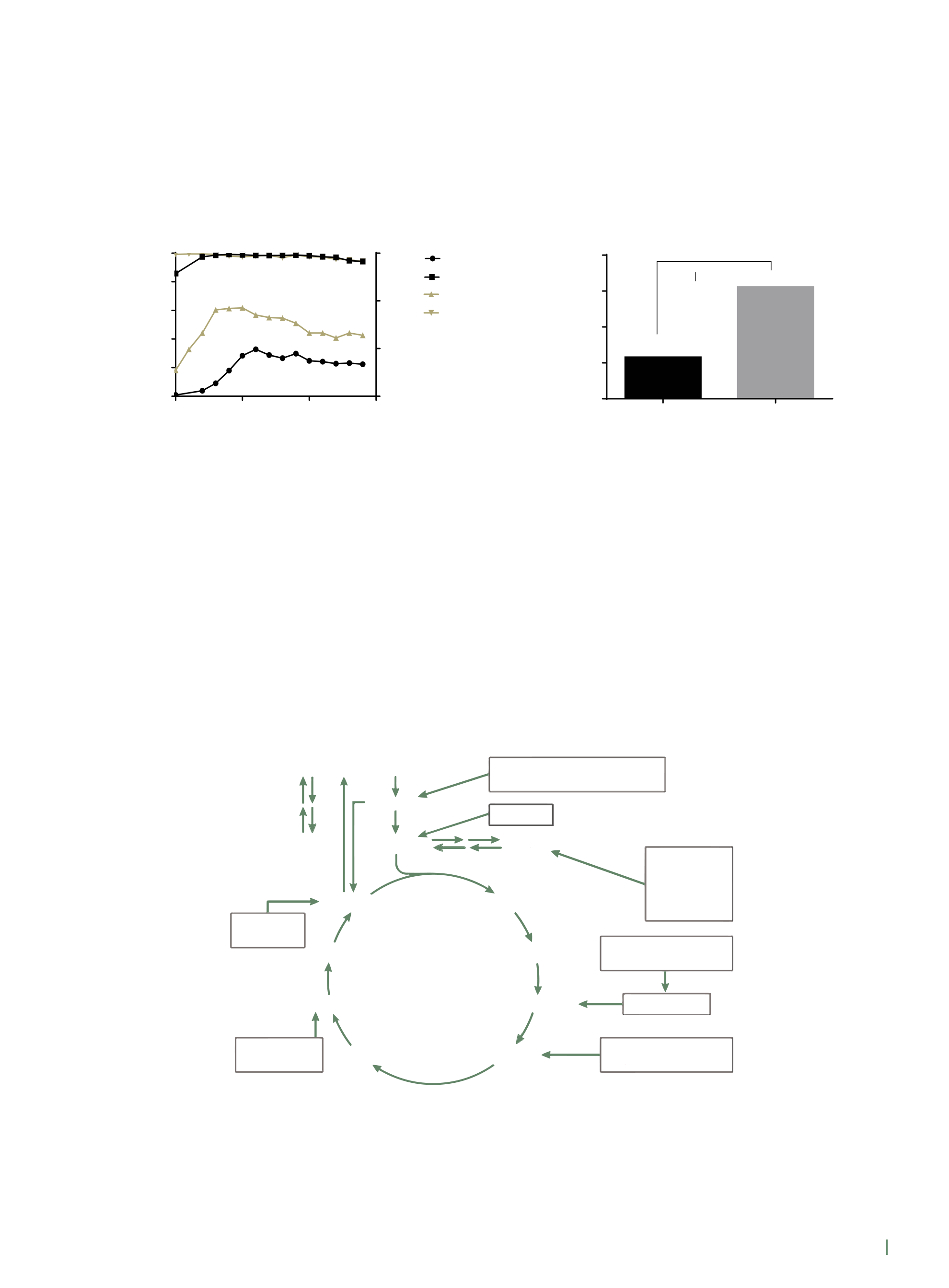
As shown in Figure 2 and Figure 3, compared to FB, IFB (intensified fed-batch) process can increase the IVCD by 138% while
keeping the qp the same( both around 4pg/cell/day), thus increasing the titer from 575.5 to 1552.3 mg/L.
IFB Improve Cell Density and Viability
IFB can improve titer
50
40
30
20
10
0
100
90
2000
1500
1000
500
FB-VCD
FB-VIA
170%
1552.3
IFB-VCD
IFB-VIA
575.5
80
70
0
0
5
10
15
B
B
F
F
I
Time(day)
Figure 2. Cell growth comparison of FB and IFB process
Figure 3. IFB can improve titer
Rebalancing AAs concentrations to improve qP
As shown in Figure 4, metabolites significantly correlated with qP and growth are enriched in TCA cycle, Ala, Asp and Glu
metabolism pathways¹. Since amino acids can enter TCA cycle through different intermediates², amino acids were significantly
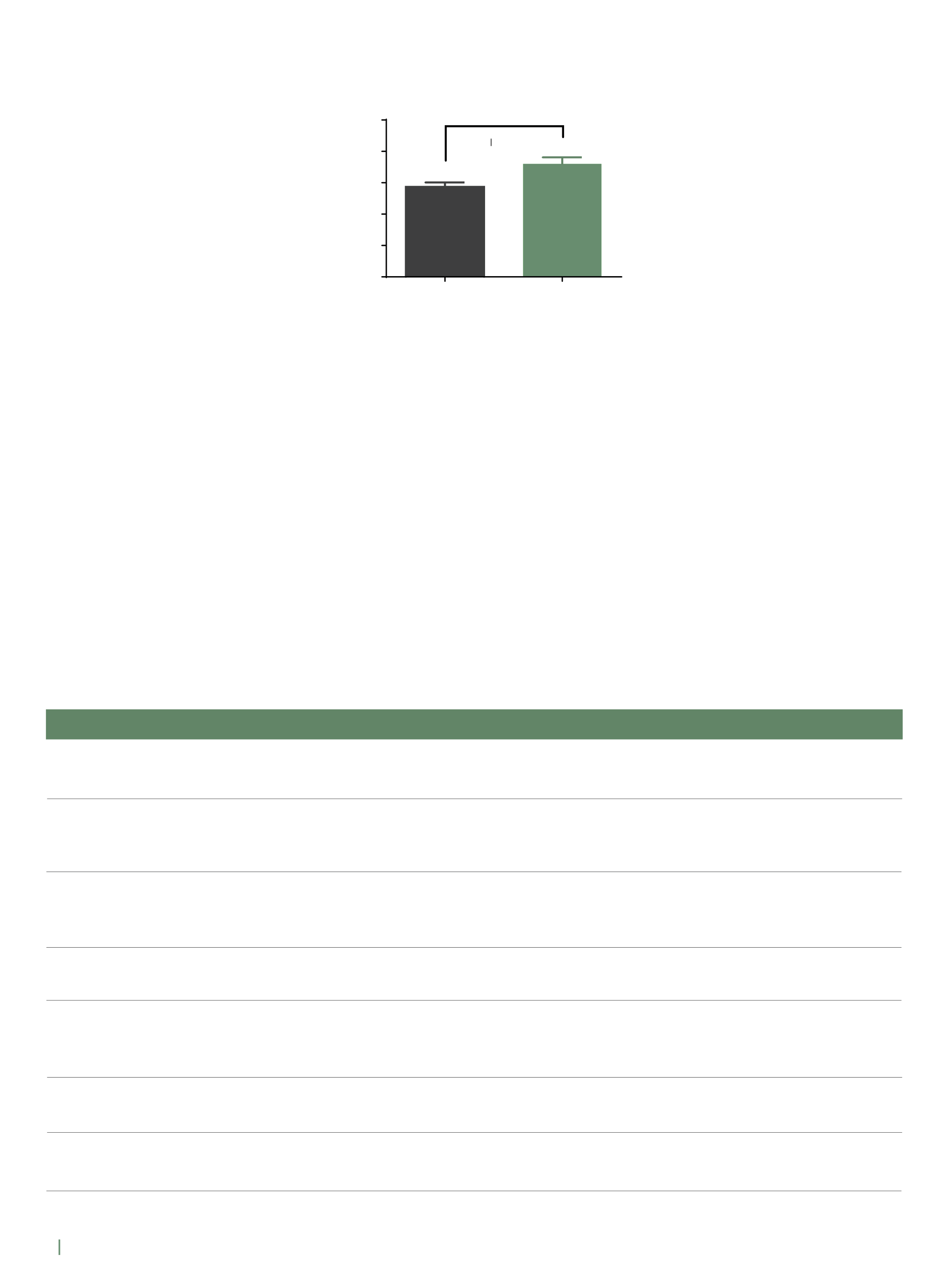
correlated with qP and growth. Figure 5 showed that adjusting amino acids contents can significantly improve the titer by
increasing qP (from 19 to 32 pg/cell/day, data not shown here).
Phosphoenolpyruvate
Pyruvate
Alanine Glycine Threonine
Cysteine Serine Tryptophan
Isoleucine
Acetoacetate
Glucose
Acetyl CoA
Leucine
Lysine
Phenylalanine
Tyrosine
Oxaloacetate
Citrate
Tryptophan
Asparagine
Aspartate
Arginine Proline
Isocitrate
Malate
Histidine Glutamine
α-Ketoglutarate
Fumarate
Glutamate
Tyrosine
Isoleucine Valine
Succinyl CoA
Succinate
Phenylalanine
Methionine Threonine
Figure 4. Connection of Amino Acids to Glucose Metabolism Pathways
ProBioCDMO.com
2
10000
8000
6000
4000
2000
**
26%
7204
5739
0
Control
Treatment Group
Figure 5. Improving titer by rebalancing AAs concentrations
Controlling lactate metabolism
Lactate is a major metabolic byproduct in Chinese hamster ovary (CHO) cell cultures, primarily generated through glycolysis.
During the exponential growth phase, CHO cells exhibit high glycolytic flux, leading to substantial lactate accumulation
even under aerobic conditions. In the late culture phase, lactate concentration may exhibit a secondary rise after an initial
decline. The lactate accumulation contributes to medium acidification, which negatively affects cell viability, growth, and
protein productivity. Moreover, elevated lactate levels can impair critical product quality attributes such as glycosylation
profiles and protein folding. Therefore, controlling lactate metabolism is essential for cell growth and titer improvement.
The table below summarizes the main approaches used to control lactate levels in CHO cell culture, including their specific
methods and underlying mechanisms.
Table2. Lactate Metabolism Control Strategy in CHO Cell Culture
Strategy
Specific Approach
Mechanism
Controlled glucose feeding
Glucose replacement
↓ Glycolytic rate
↓ Pyruvate accumulation
Glucose limitation
↓ Glucose uptake rate
↓ cellular stress
↑ PDH activity
Lower culture temperature
(e.g., 36.5 → 31°C)
Temperature shift
pH modulation
Maintain pH in wide range
Low pH
(e.g., 6.95 ± 0.25)
Avoid excessive base addition
Base addition promotes lactate
accumulation
TCA intermediates
supplementation
Add pyruvate, α-KG, malic acid,
succinic acid
Support TCA cycle function.
Enhanced oxidative metabolism activity
Overfeeding → Glucose/amino acid
overload
Underfeeding → Nutrient starvation
Feeding strategy
Avoid overfeeding or underfeeding
Add copper in basal media
Copper
supplementation
Copper is a cofactor for SCO₂
Maintain moderate pCO₂ levels
(e.g., 30 ~ 120 mmHg)
CO₂ regulates NAD+/NADH ratio
and IDH/LDH enzyme activity
pCO₂ control
3 Addressing Upstream Challenges in Antibody and Protein Production: Strategies to Improve Titer and Quality
Lowering lactate and increasing titer by temperature shift
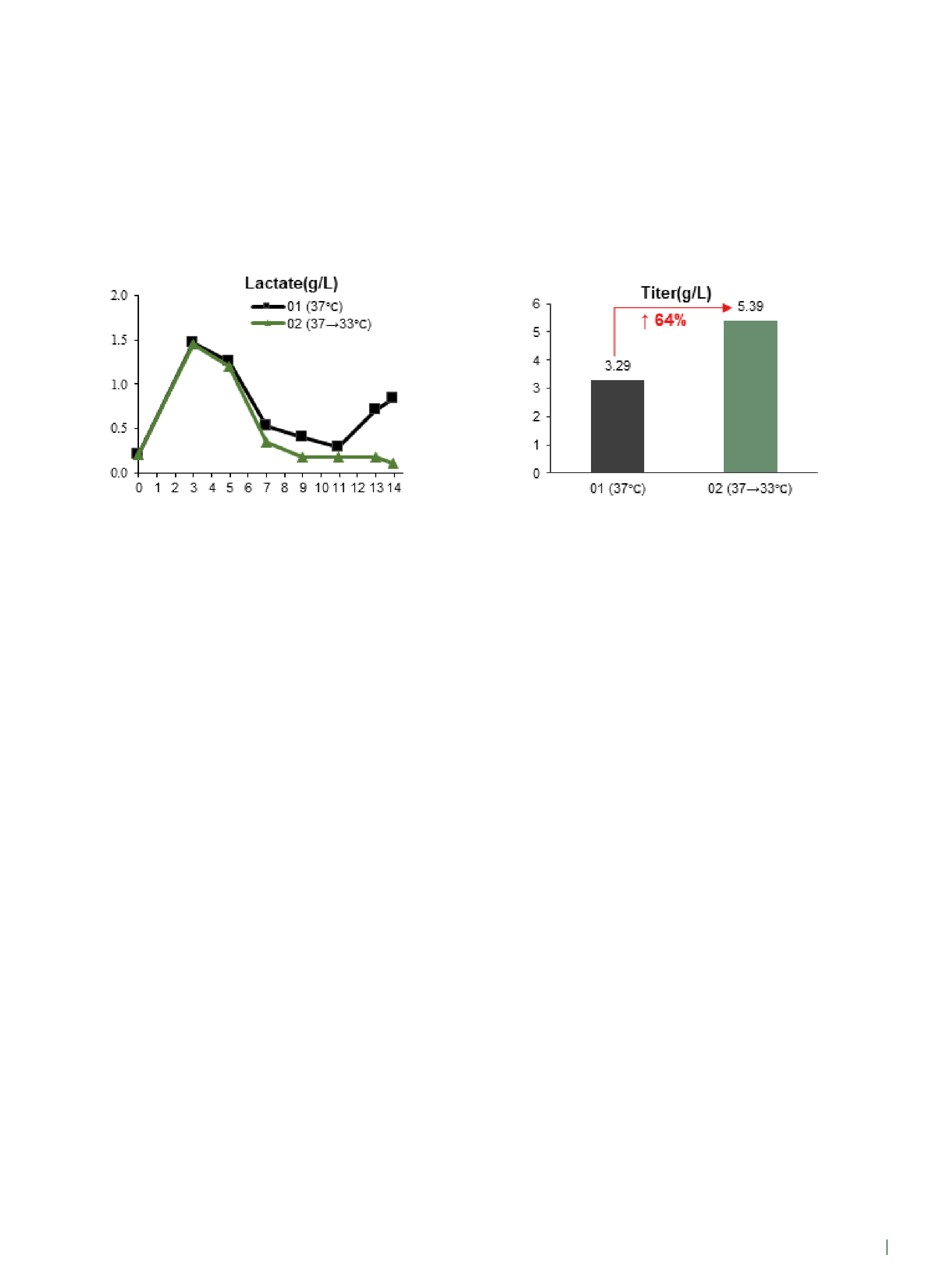
As shown in figure 6, the control group maintained a constant culture temperature at 37°C, while the test group was
shifted to 33°C on Day 5. This temperature shift effectively slowed glucose uptake and enhanced mitochondrial oxidative
metabolism, thereby reducing lactate production and accumulation. As the result shown in figure 7, the culture achieved a 39%
increase in final titer compared to the original process.
Time(Day)
Figure 6. Lactate profile after temperature shift
Figure 7. Titer can be increased by temperature shift
Reducing acidic variants
Generation of charge variants
Antibodies present various forms of heterogeneity in size, charge, and other aspects during production, due to enzymatic
reactions or spontaneous degradation and modification. It can be chemically modified through several different mechanisms,
including oxidation, deamidation, isomerization, and fragmentation, resulting in various charge isomers and changes in
their pI values.
Chemical and enzymatic modifications, such as deamidation and sialylation, lead to an increase in the net negative charge on
the antibody and a decrease in the pI value respectively, resulting in the formation of acidic variants. Another mechanism for
the generation of acidic variants is the formation of various types of covalent adducts, such as glycation, which is the reaction
of glucose or lactose with the primary amines of antibody lysine residues in glucose-rich media or during storage.
Charge heterogeneity may have potential effects on antibody efficacy, immunogenicity, and clearance. There is evidence that
a change in the pI of an antibody by only one or more units can produce significant differences in the pharmacokinetics (PK)
of the intact antibody³. Deamidation in the CDR region will significantly reduce the binding of the antibody to the
antigen, but will not affect the conformation of the antibody. Sialic acid modification generally does not affect the
binding to the antigen, but a few studies have shown that sialic acid modification can lead to a decrease in ADCC activity and a
prolongation of half-life⁴.
ProBioCDMO.com
4

Acidic variants reduction strategies
As shown in table 3, reducing the acidic species is mainly achieved by lowering or scavenging ROS, decreasing the proportion
of deamidation, reducing the reduction of antibody disulfide bonds and the formation of cysteine.
Table 3. Effects of process parameters and media components on acidic variants5,6
Strategy
Specific Approach
Mechanism
Shift pH
Lower pH
↓Antibody deamidation
Alleviates Trp oxidation as a competitive
inhibitor
Trp
Supplemented in basal media
Supplemented in basal media
Cu2+
↑Reduce the reduction of disulfide bonds
+
Competes with Fe² to slow dowm the
Mn2+
Supplemented in basal media
Fenton reaction and reduce the formation
of ROS
Reduce the addition amount
of FeedB(High-concentration
feeding)
↑ROS by catalyzing the Fenton reaction
↑Cysteinization of antibodies to increase
the acidic species
Cys
↓Fenton reaction with H₂O₂ to produce
FAC
Supplemented in basal media
ROS
Inhibiting the activity of basic carboxypeptidase,
suppressing the resection of terminal Lys,
increasing the amount of positive charge,
and causing the acidic species to shift towards
the main peak
Arg/Lys/His/Orn
Supplemented in basal media
Supplemented in late stage
of cell culture
↓ROS as antioxidant
Bioflavonoids
Cystine
Stabilize -s-s-
Supplemented in basal media
5 Addressing Upstream Challenges in Antibody and Protein Production: Strategies to Improve Titer and Quality
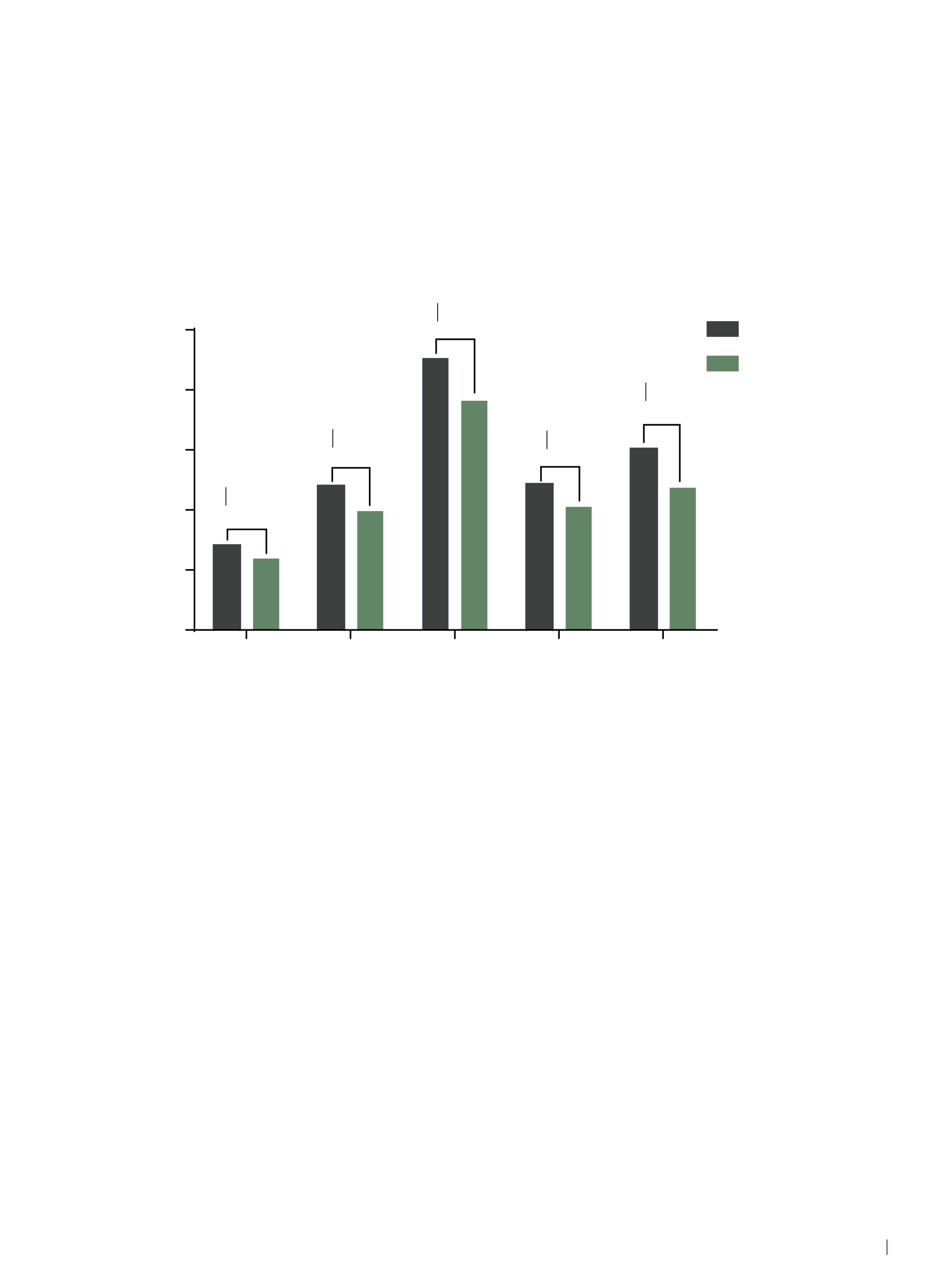
Lowering cysteine to reduce acidic species
Excessively high concentration of cysteine can lead to the reduction of disulfide bonds and cysteinization of antibodies.
Cysteine can also lead to the production of ROS, thereby causing the oxidation of antibodies. As shown in figure 8, lowering
cysteine concentration can reduce the acidic species to varying degrees.
16%
50
Control
Treatment
40
22%
18%
16%
30
20
10
0
16%
t E
jec
t A
jec
t B
jec
t C
jec
t D
jec
o
o
o
o
o
Pr
Pr
Pr
Pr
Pr
Figure 8. Reducing acidic species by lowering cysteine concentration
Optimizing Glycosylation
Glycosylation is a critical quality attribute (CQA) for therapeutic proteins, particularly antibodies and Fc-fusion proteins. It
affects key properties such as biological activity, serum half-life, stability, and immunogenicity. Variations in glycan
structures including fucosylation, galactosylation, sialylation, and high-mannose content can significantly impact clinical
efficacy and safety.
Glycosylation regulation strategies
Glycosylation patterns in CHO cells can be modulated by adjusting process parameters and optimizing media/feed
composition, especially by regulating the activity of glycosylation-related enzymes and providing sugar precursors/
cofactors.
ProBioCDMO.com
6

Table 4. Glycosylation Modulation Strategy in CHO Cell Culture
Glycan Type
Purpose
Process Parameter Control
Media/Additive Optimization
kifunensine, high NH₄+
tagatose,sucrose,mannose
high osmo, low temp
prolong culture duration
increase
decrease
Mannosylation
low osmo, high temp
shorten culture duration
manganese, ManNAc
increase
decrease
high DO, low osmo, high pH
uridine, manganese, galactose
Galacosylation
Afucosylation
high osmo, high pCO₂, low pH
Gln, ASN, high NH₄+
2-F-peracetyl fucose,
mycophenolic acid,
CDFS01, kifunensine
increase
decrease
low pH
fucose
high pH
uridine, manganese, galactose
N-Acetylmannosamine
copper, dexamethasone
high DO, low osmo, high pH
high temp,shorten culture
duration
increase
decrease
Sialylation
sodium butyrate,Gln, ASN,
high NH₄+
low temp,high osmo
prolong culture duration
Supplementing UMG to increase galactosylation without affecting other attributes
As a result of UMG (uridine, manganese, galactose) addition, figure 9 depicts that the galactosylation content increased
significantly from 6.85% to 37.06%, representing a more than fivefold improvement. Importantly, this modification had no
adverse effect on cell viability, titer, or other critical quality attributes.
7
Addressing Upstream Challenges in Antibody and Protein Production: Strategies to Improve Titer and Quality
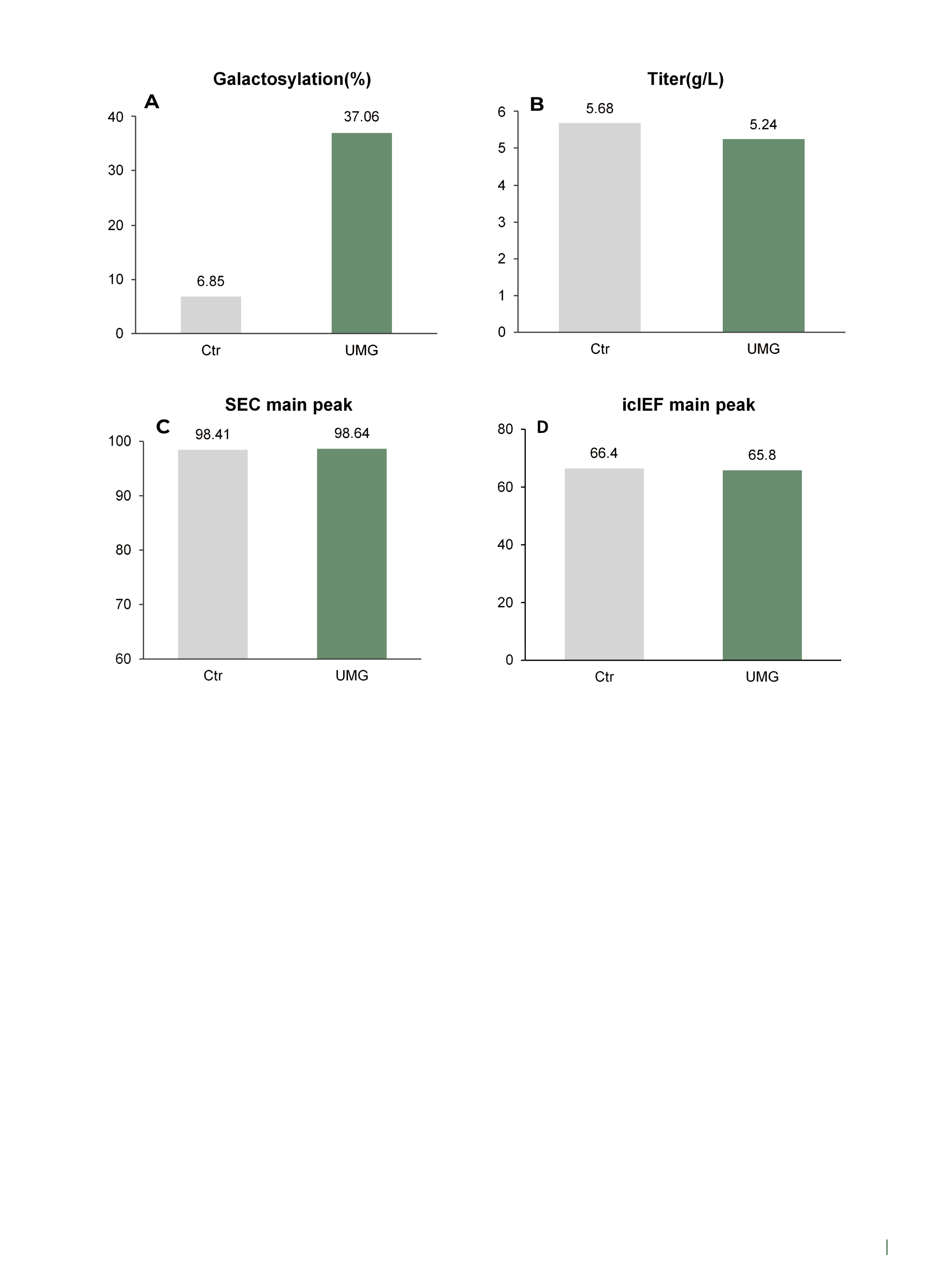
Figure 9. Product titer and quality after adding UMG. (A) Galactosylation can be increased by
supplementing UMG. (B) The addition of UMG will not cause a decrease in production. (C) UMG
have no negative effect on SEC. (D) UMG do not cause a decrease in the icIEF main peak
Summary
To optimize antibody production, key strategies include enhancing cell culture conditions and optimizing media
components to maximize titer. Reducing acidic variants can be achieved through careful control of pH, temperature, and
media components. Glycoform modulation is accomplished by regulating the activity of glycosylation-related enzymes
and providing sugar precursors/cofactors. ProBio has extensive project experience in upstream processes of bispecific
antibodies and proteins, which will provide solid strategic support for the CMC clients.
ProBioCDMO.com
8

References
1. Yao, G., et al. A Metabolomics Approach to Increasing Chinese Hamster Ovary (CHO) Cell Productivity. Metabolites.
2021;11(12):823.
2. Pereira, S., et al. Impact of CHO Metabolism on Cell Growth and Protein Production: An Overview of Toxic and
Inhibiting Metabolites and Nutrients. Biotechnol J. 2018 ;13(3) :e1700499.
3. Bumbaca,D., et al. Physiochemical and Biochemical Factors Influencing the Pharmacokinetics of Antibody Therapeutics.
AAPS J.2012 Sep;14(3):554-8.
4. Chung, S., et al. Industrial bioprocessing perspectives on managing therapeutic protein charge variant profiles.
Biotechnol Bioeng. 2018;115(7):1646-1665.
5. Vijayasankaran, N., et al. Effect of Cell Culture Medium Components on Color of Formulated Monoclonal Antibody
Drug Substance. Biotechnol Prog. 2013; 29(5):1270-7.
6. Trexler-Schmidt, M., et al. Identification and Prevention of Antibody Disulfide Bond Reduction During Cell Culture
Manufacturing. Biotechnol Bioeng. 2010;106(3):452-61.
9 Addressing Upstream Challenges in Antibody and Protein Production: Strategies to Improve Titer and Quality

ProBio Inc.
Building 9, 311 Pennington Rocky Hill Rd,
Pennington, NJ
ProBioCDMO.com
+1-732-885-9188 (US)