
White Paper
The Impact and Control Strategies of Plasmid Monomers and Multimers

WHITE PAPER
The Impact and Control
Strategies of Plasmid
Monomers and Multimers
for LVV and mRNA Production
ProBioCDMO.com

Abstract
Plasmids can exist in multiple molecular forms during bacterial propagation—including monomeric and multimeric
supercoiled forms, which often affects downstream processing and product quality. In this study, ProBio systematically
investigated the functional impact of plasmid monomers and multimers across different applications. To enable
comprehensive characterization of plasmid molecular forms, AGE, IEC-HPLC, and CGE methods were established and
optimized for the qualitative and quantitative analysis of monomeric supercoiled, multimeric supercoiled, linear, and open
circular plasmids. Functional evaluation demonstrated that plasmid molecular form had application-dependent effects. For
LVV production, monomeric supercoiled content had limited impact on physical particle production but was important for
maintaining functional viral titer, with complete replacement of monomeric plasmid by multimeric forms resulting in an
approximately two-fold decrease in functional titer. In contrast, for mRNA production, monomeric and multimeric template
plasmids showed comparable linearization efficiency and in vitro-transcribed mRNA with similar purity, integrity, poly(A)
purity, residual dsRNA, mRNA aggregate, and expression level.
Taken together, these findings support an application- and customer-specific, fit-for-purpose approach to plasmid quality
control, in which release specifications and production strategies are tailored to the intended downstream application and
customer requirements. Different control strategies are implemented for different applications: ≥80% monomeric
supercoiled plasmid content for viral vector production and ≥80% total supercoiled plasmid content, comprising both
monomeric and multimeric supercoiled forms, for mRNA template plasmids, with additional strategies available when
higher monomeric content is required.
1
The Impact and Control Strategies of Plasmid Monomers and Multimers for LVV and mRNA Production
Background
Plasmid DNA plays a critical role across the biopharmaceutical industry, especially as cell and gene therapy (CGT) has
emerged as a rapidly developing area of biopharmaceutical innovation. With an increasing number of therapeutic
programs advancing toward clinical development and commercialization, plasmid quality and yield are critical for
success. Plasmid DNA can serve as an essential starting material for a wide range of CGT applications, including
adeno-associated viral vector and lentiviral vector (LVV) production, as well as nucleic acid-based manufacturing
processes. In addition, plasmids themselves can be used as biopharmaceutical products, such as DNA vaccines and
DNA drugs, where the plasmid DNA serves directly as the active pharmaceutical component. Consequently, the quality
of plasmid DNA is critical consideration for downstream manufacturing processes and applications.
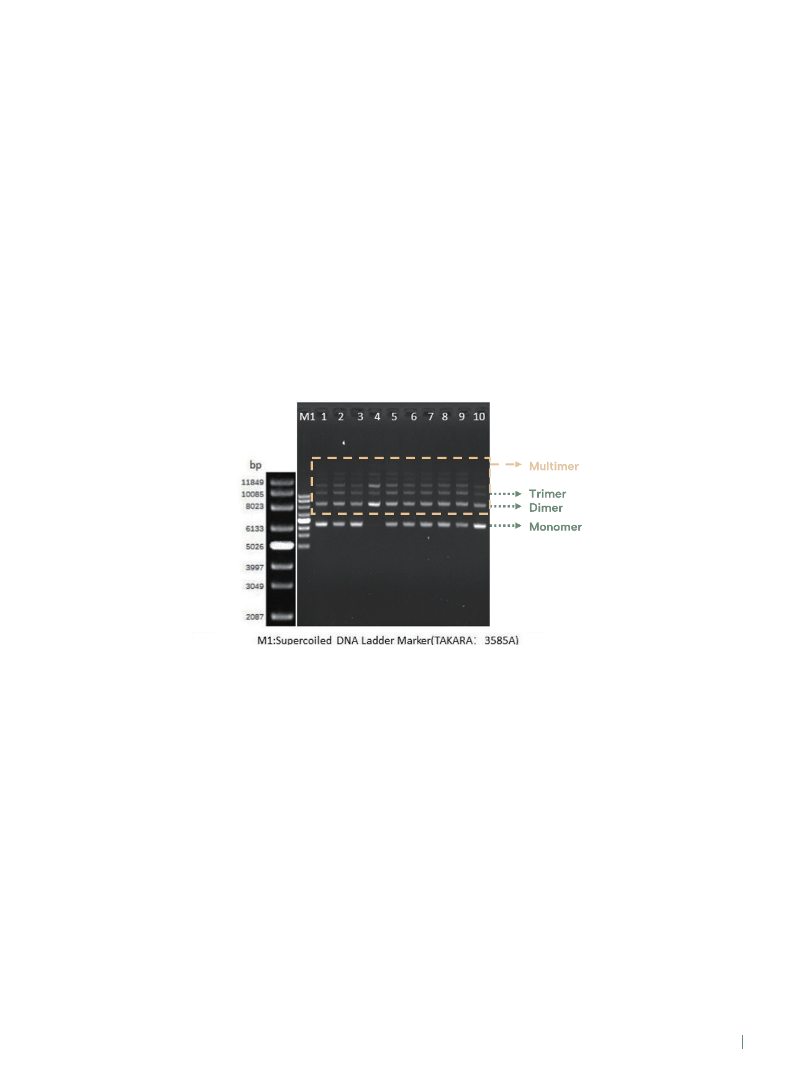
Plasmid DNA can exist in multiple topological and structural forms, including supercoiled, open circular, and linear forms.
During bacterial propagation, additional variants such as dimers, trimers, and multimers may arise (Fig 1). In general,
plasmid multimers refer to molecules containing two or more copies of the plasmid monomer arranged as tandem
repeats within a single circular DNA molecule [1–4]. Plasmid multimers have also been described as catenanes in some
studies [5].
Figure 1. Schematic diagram of plasmid DNA monomers and multimers
Alexandre A. Vetcher et al. reported that long GAA·TTC repeats promote plasmid dimer accumulation, with longer
GAA·TTC repeats associated with a higher dimer-to-monomer ratio [6]. Consistent with these findings, ProBio experi-
mental results demonstrated that mRNA template plasmids carrying poly(A) tails of different lengths exhibited plasmid
multimerization during positive clone screening, whereas plasmids lacking poly(A) sequences showed little or no
detectable multimers. In particular, shorter poly(A) tails were associated with a higher proportion of supercoiled plasmid
monomers (Fig. 2). Collectively, these findings suggest that the presence of A/G-rich repetitive sequences may contrib-
ute to plasmid multimerization and that longer repetitive sequences are associated with an increased propensity for
multimer formation.
ProBioCDMO.com
2
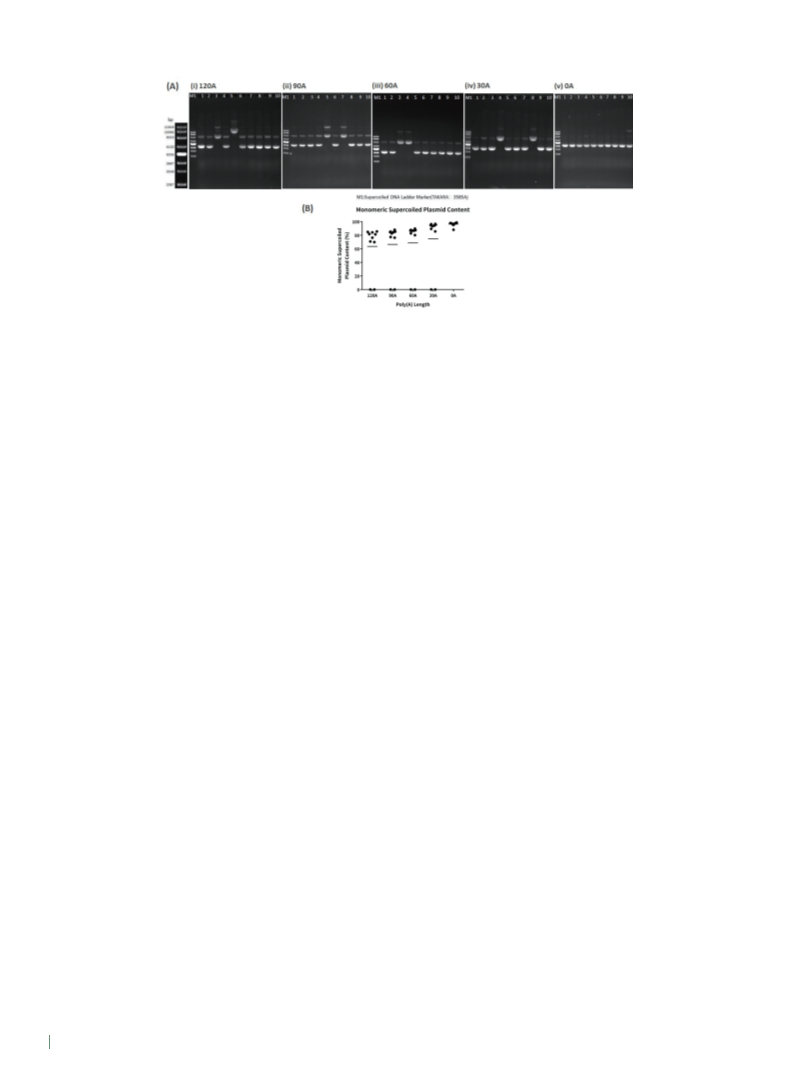
Figure 2. Summary of plasmid monomer and multimer profiles and their quantitative analysis.
(A) AGE gel analysis of positive clone screening for mRNA template plasmids with different poly
(A) tail lengths: i, 120A; ii, 90A; iii, 60A; iv, 30A; and v, 0A.
(B) Quantification of the monomeric supercoiled plasmid content at different poly
(A) tail lengths based on densitometric analysis of the AGE gel images shown in
(A). Each symbol represents an individual clone; horizontal lines indicate mean values.
Analytical Methods for Different Plasmid DNA Forms
Plasmid DNA topology and homogeneity are critical attributes to quality, and the United States Pharmacopeia (USP)
General Chapter 1040, “Quality Considerations of Plasmid DNA as a Starting Material for Cell and Gene Therapies
Including RNA Products,” recognizes recommends its characterization using suitable analytical methods, such as AGE,
high-performance liquid chromatography (HPLC), or capillary gel electrophoresis (CGE) [7]. However, the chapters do
not explicitly establish a separate specification for monomeric and multimeric supercoiled plasmid content. Based on
relevant pharmacopeial requirements and recommendations, ProBio has developed and optimized HPLC- and
CGE-based methods for plasmid DNA conformational analysis. These methods enable the differentiation and
quantification of monomeric supercoiled, multimeric supercoiled, linear, and open circular plasmids, providing robust
analytical tools for comprehensive plasmid topology characterization, quality control, and release testing.
IEC-HPLC
HPLC analysis enabled the effective separation of different plasmid DNA conformations, including linear, open circular,
monomeric supercoiled, and multimeric supercoiled forms (Fig 3). In IEC-HPLC, differences in plasmid topology affect
their interaction with the charged stationary phase and consequently their retention behavior, resulting in distinct
chromatographic peaks. The relative abundance of each plasmid form can therefore be quantitatively determined based
on the corresponding peak areas.
3 The Impact and Control Strategies of Plasmid Monomers and Multimers for LVV and mRNA Production
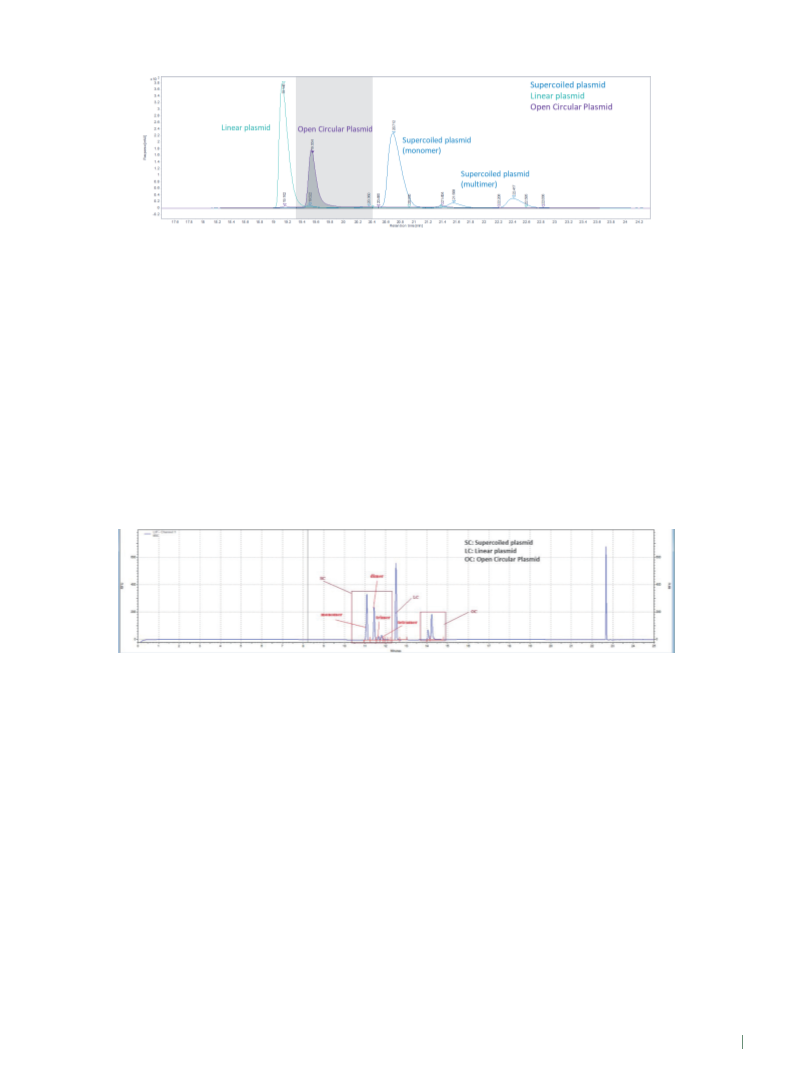
Figure 3. HPLC analysis of different plasmid DNA conformations.
The chromatogram shows distinct peaks corresponding to linear, open circular, monomeric supercoiled,
and multimeric supercoiled plasmid forms.
CGE
CGE analysis enabled the effective separation of monomeric supercoiled, multimeric supercoiled, linear, and open
circular plasmid forms (Fig 4). CGE separates DNA molecules according to their electrophoretic mobility in a polymeric
sieving matrix, which is affected by both molecular size and conformation. Differences in the three-dimensional
structures of SC, LC, and OC plasmids result in distinct migration behaviors and chromatographic-like electropherogram
peaks, allowing the relative abundance of individual plasmid conformational forms to be quantitatively determined
based on their peak areas.
Figure 4. CGE analysis of different plasmid DNA conformations.
The electropherogram shows distinct peaks corresponding to
supercoiled (SC), linear (LC), and open circular (OC) plasmid forms,
with the SC fraction further resolved into monomer, dimer, trimer, and tetramer.
AGE
The separation principle of AGE is similar to that of CGE. Supercoiled, open circular, and linear forms, as well as
monomers and multimers, therefore exhibit distinct migration patterns and can be readily distinguished (Fig 5).
Grayscale analysis of band intensity was used to semi-quantitatively estimate the relative abundance of individual
plasmid forms.
ProBioCDMO.com
4
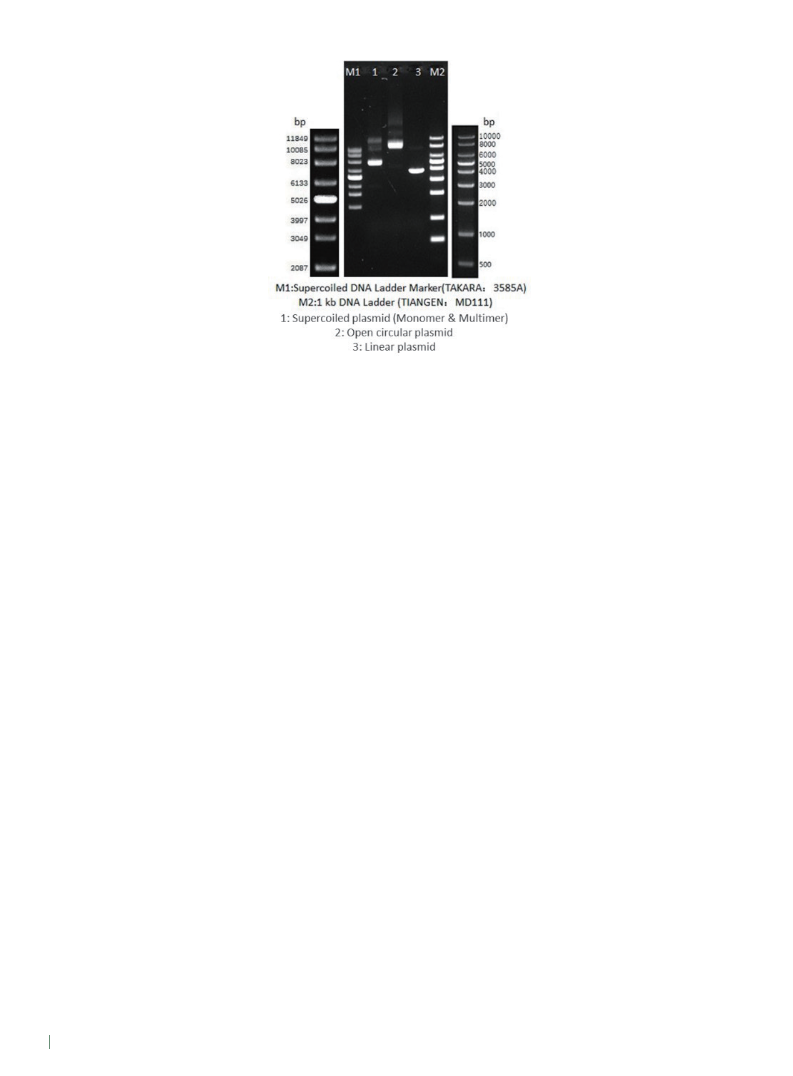
Figure 5. Characterization of plasmid DNA molecular forms by AGE.
Different plasmid conformations and molecular forms,
including monomeric supercoiled, multimeric supercoiled, open circular,
and linear forms, were distinguished by their electrophoretic mobility.
.
Impact of Plasmid Monomeric and Multimeric Forms and Control Strat-
egies in ProBio
The FDA recommends supercoiled plasmid content as a bulk plasmid release criterion, with a minimum specification
preferably above 80% for DNA vaccine products [8]. For viral vector products, Ph. Eur. General Monograph 3186 and Gen-
eral Chapter 5.34 indicate that the percentage of the specific monomeric supercoiled form of plasmid DNA is deter-
mined using a suitable method [9, 10]. Nevertheless, for mRNA template plasmids, no explicit regulatory requirements
regarding the separate quantification or specification of monomeric and multimeric plasmid forms have been identified
to date. Therefore, ProBio conducted a series of experiments to systematically evaluate the impact of plasmid mono-
mers and multimers on downstream processing and applications, with a particular focus on their implications for viral
vector and mRNA applications.
Viral vectors
In LVV production, the transfer plasmid provides the DNA template for generating the vector genome RNA, which is
subsequently packaged into lentiviral particles. The monomeric content of the transfer plasmid may represent an
important consideration in LVV manufacturing; however, its potential impact on LVV production and functional perfor-
mance remains to be fully characterized. Therefore, evaluating the relationship between plasmid monomeric and multi-
meric forms and both physical particle production and functional viral titer is important for defining the quality attributes
of LVV production plasmids.
5 The Impact and Control Strategies of Plasmid Monomers and Multimers for LVV and mRNA Production
Impacts
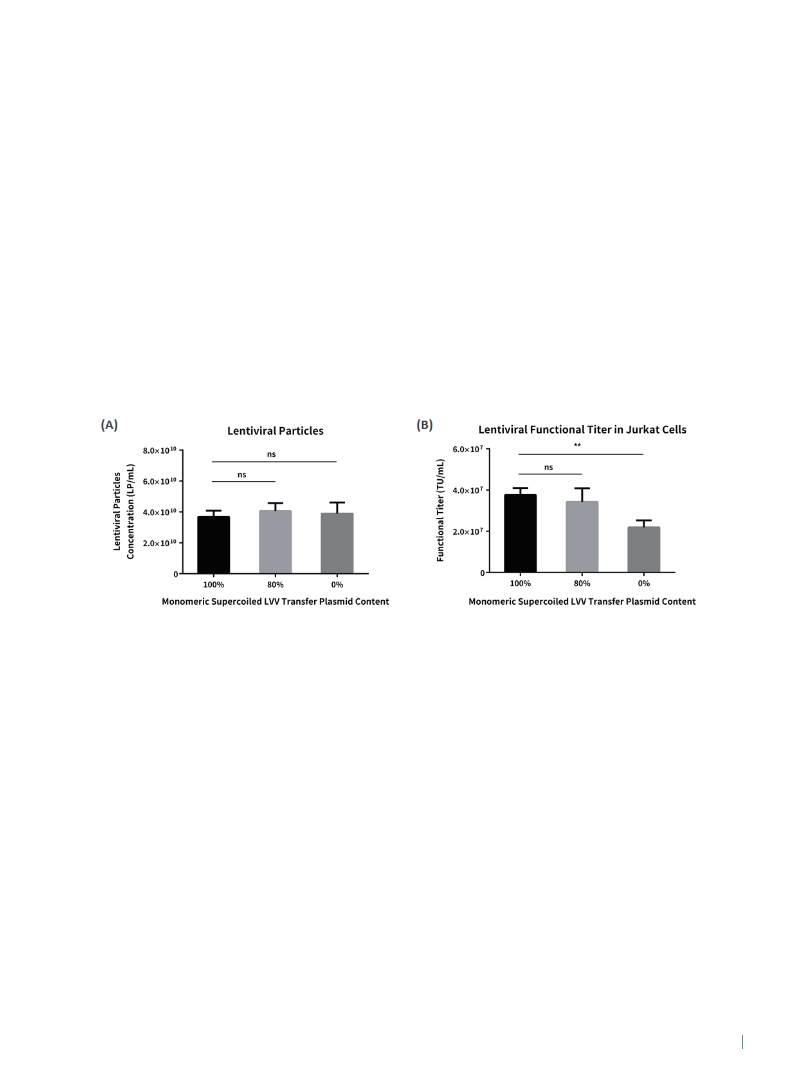
To investigate this relationship, we evaluated LVV production using transfer plasmids with different content of monomer
and multimer. We found that the monomeric content of the LVV transfer plasmid had no significant impact on lentiviral
particle concentration (Fig 6A). However, when the monomeric content of the LVV transfer plasmid was reduced to 0%,
the functional titer decreased by approximately two-fold (Fig 6B). These results indicate that the monomeric supercoiled
content of the LVV transfer plasmid has a limited impact on lentiviral particle production but is critical for maintaining LVV
transduction efficiency. Monomeric plasmid content is more closely associated with LVV functional titer than with physical
particle production.
Therefore, ProBio applies a release specification of ≥80% for monomeric supercoiled plasmid content in plasmids intended
for viral vector production, as determined by IEC-HPLC or CGE. This specification is consistent with the FDA
recommendation that bulk plasmid DNA products preferably contain >80% supercoiled plasmid DNA. In the context of LVV
production, our data further demonstrate that a monomeric supercoiled plasmid content of ≥80% is sufficient to maintain
functional viral titer, with no apparent adverse impact on LVV production performance.
Figure 6. Impact of monomeric supercoiled LVV transfer plasmid content on lentiviral particle concentration
(A) and functional titer (B). All values are shown as mean + SD.
Control Strategies for Customers
As discussed above, RecA knockout can reduce plasmid multimer formation. Accordingly, ProBio has adopted
RecA-deficient strains as a standardized platform for plasmid production, encompassing both commercial and proprietary
E. coli strains. Across multiple LVV plasmid production projects, ProBio has consistently achieved >80% monomeric
supercoiled plasmid content, highlighting the robustness and consistency of the plasmid production platform in
controlling LVV plasmid multimerization (Fig. 7)
ProBioCDMO.com
6
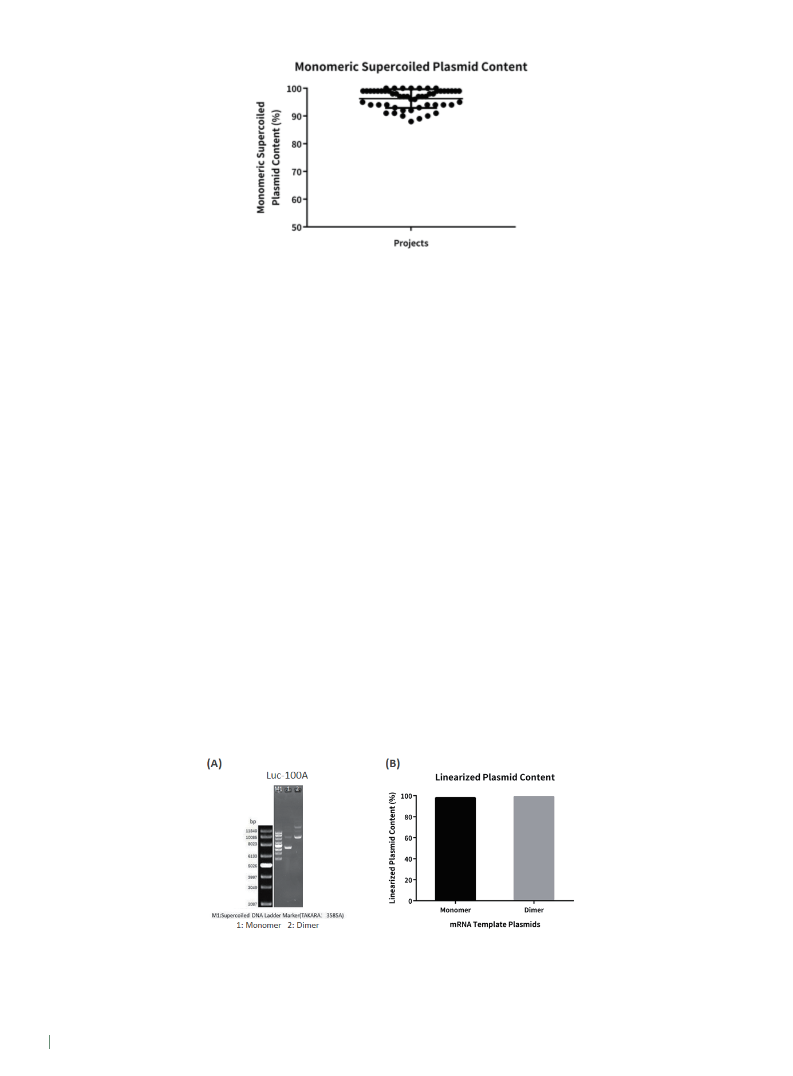
Figure 7. Monomeric supercoiled plasmid content of LVV plasmids across multiple production projects.
Each dot represents an individual production project. Data are presented as mean ± SD.
mRNA
During the manufacture of mRNA template plasmids, the formation of multimers may occur during E. coli propagation
because mRNA template plasmids containing repetitive sequences such as poly(A) tails. Since these plasmids undergo
downstream linearization and in vitro transcription (IVT) to produce the final mRNA product, it is important to
systematically evaluate whether different plasmid molecular forms affect downstream processing or mRNA product
quality. Therefore, ProBio systematically evaluated the impact of monomeric and multimeric mRNA template plasmids on
linearization efficiency and key mRNA quality attributes, including purity, integrity, poly(A) purity, residual dsRNA, mRNA
aggregate, and expression level.
Impacts
To evaluate whether plasmid molecular form affects linearization efficiency, monomeric and multimeric Luc-100A mRNA
template plasmids were evaluated under identical linearization conditions. AGE analysis characterized the circular plasmid
forms prior to linearization, while IEC-HPLC was used to quantitatively assess the subsequent linearization efficiency.
IEC-HPLC analysis demonstrated that the linearization efficiency was consistently above 98% for both monomeric and
multimeric plasmids (Fig 8). These results indicate that the molecular form of the plasmid, whether monomeric or
multimeric, does not affect plasmid linearization efficiency.
Figure 8. Impact of monomeric and multimeric mRNA template plasmids on plasmid linearization efficiency.
(A) AGE gel analysis of monomeric and multimeric mRNA template plasmids before linearization.
(B) Quantification of plasmid linearization efficiency by IEC-HPLC.
Luc-100A refers to a luciferase mRNA template plasmid containing a 100-adenosine poly(A) tail.
7
The Impact and Control Strategies of Plasmid Monomers and Multimers for LVV and mRNA Production
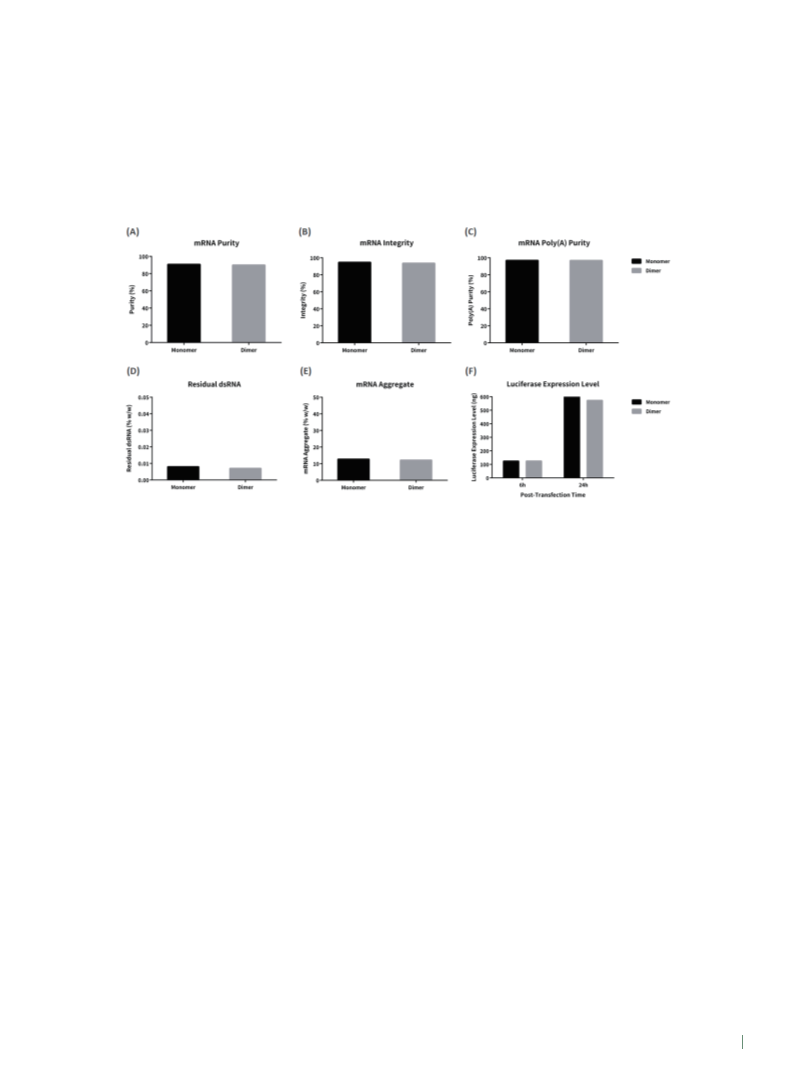
To further investigate the potential impact of plasmid molecular form on downstream mRNA production, monomeric and
multimeric luciferase mRNA template plasmids were evaluated in the standardized IVT and purification processes. Analysis
results showed comparable mRNA purity, integrity, poly(A) purity, residual dsRNA, mRNA aggregate, and expression level
between mRNA transcribed from monomeric and multimeric template plasmids (Fig 9). These findings indicate that the
molecular form of the mRNA template plasmid, whether monomeric or multimeric, does not significantly affect the quality
of the resulting mRNA product.
Figure 9. Impact of monomeric and multimeric Luc-100A mRNA template plasmids on the quality
of mRNA products generated by in vitro transcription (IVT).
(A) mRNA purity. (B) mRNA integrity. (C) mRNA poly(A) purity. (D) Residual dsRNA.
(E) mRNA aggregate. (F) Luciferase expression levels at 6 and 24 h post-transfection.
Taken together, these findings demonstrate that the presence of multimeric plasmid has no significant impact on plasmid
linearization efficiency or the evaluated downstream mRNA quality attributes, including mRNA purity, integrity, poly(A)
purity, residual dsRNA, mRNA aggregate, and expression level. Accordingly, ProBio adopts a combined quantification
strategy for monomeric and multimeric supercoiled plasmid for the release of mRNA template plasmids, with a total
supercoiled plasmid content specification of ≥80%, rather than requiring separate quantification of the monomeric
supercoiled content. To consistently meet the release requirements, ProBio has established a comprehensive plasmid
quality optimization strategy, including host strain selection and plasmid backbone design.
Integrated Control Strategies for Customers
ProBio incorporates RecA mutant strains into its standardized plasmid production platform to support consistent control
of plasmid multimerization across mRNA, viral vector, and DNA drug/vaccine plasmid production. Among these
downstream applications, mRNA template plasmids are particularly prone to multimer formation. However, ProBio’s
studies indicate that plasmid monomeric and multimeric forms have no significant impact on key downstream mRNA
quality attributes or expression performance. Accordingly, although a high monomeric plasmid content is not inherently
ProBioCDMO.com
8
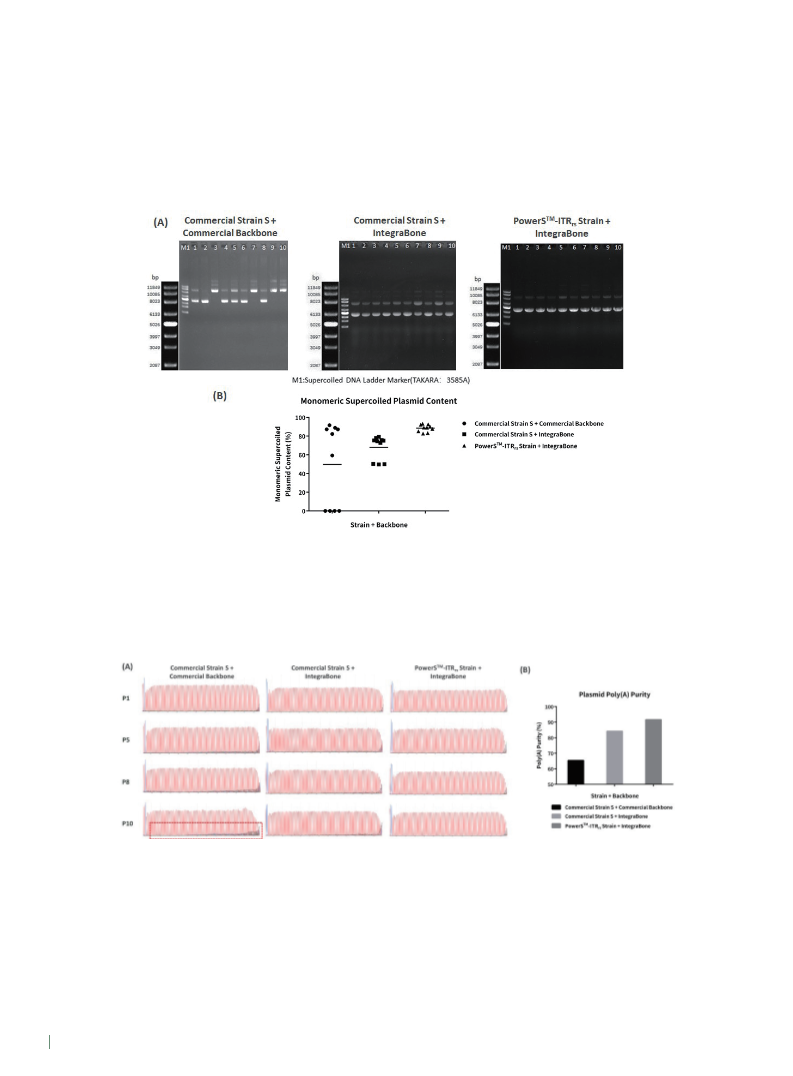
required for mRNA applications, ProBio can further increase monomeric plasmid content when required by
customer-specific requirements. To this end, ProBio has developed proprietary IntegraBone plasmid backbone for mRNA
applications that maintain high poly(A) purity while minimizing plasmid multimerization, with ≥80% monomeric
supercoiled plasmid achieved combining proprietary PowerS™-ITRrs strain (Fig 10, 11).
Figure 10. Comparison of monomeric supercoiled plasmid content among different strain-backbone combinations.
(A) AGE analysis. (B) Grayscale-based quantification of monomeric supercoiled plasmid content.
Each symbol represents an individual clone; horizontal lines indicate mean values.
Figure 11. Evaluation of poly(A) tail purity and stability during plasmid propagation among different
strain-backbone combinations.
(A) Sanger sequencing chromatograms of the poly(A) sequence at different plasmid passage generations.
(B) Poly(A) purity determined by CGE analysis.
9 The Impact and Control Strategies of Plasmid Monomers and Multimers for LVV and mRNA Production

Conclusion
In conclusion, the significance of plasmid monomeric and multimeric forms should be considered in the context of their
intended applications. ProBio's studies demonstrated that repetitive sequences can promote plasmid multimerization,
while AGE, IEC-HPLC, and CGE provide complementary analytical approaches for characterizing different plasmid
molecular forms. For LVV plasmids, maintaining sufficient monomeric supercoiled plasmid is important for functional viral
titer. ProBio applies optimized production strategies to support a release specification of ≥80% monomeric supercoiled
plasmid content. For mRNA template plasmids, multimeric plasmids did not significantly affect linearization efficiency or
key mRNA quality attributes, including purity, integrity, poly(A) purity, residual dsRNA, mRNA aggregate, and expression
level. Therefore, monomeric and multimeric supercoiled forms can be combined for release, while proprietary backbone
and production strategies are also available for customers requiring higher monomeric plasmid content. By leveraging its
integrated plasmid production platform, ProBio provides tailored strategies to address the distinct requirements of
different downstream applications and customers, ensuring appropriate and optimized control of plasmid monomeric and
multimeric forms.
Reference
1. Vaisbourd, Elizabeth, et al. "Preventing multimer formation in commonly used synthetic biology plasmids." ACS Synthetic
Biology 14.4 (2025): 1309.
2. Bedbrook, John R., and Frederick M. Ausubel. "Recombination between bacterial plasmids leading to the formation of plasmid
multimers." Cell 9.4 (1976): 707-716.
3. Maucksch, Christof, Bronwen Connor, and Carsten Rudolph. "Plasmid DNA concatemers: influence of plasmid structure on
transfection efficiency." Minicircle and Miniplasmid DNA Vectors: The Future of Nonviral and Viral Gene Transfer (2013): 59-69.
4. Friehs, Karl. "Plasmid copy number and plasmid stability." New trends and developments in biochemical engineering (2003):
47-82.
DOI: 10.1007/b12440
5. Thompson, Betty J., et al. "Figure-8 configuration of dimers of S13 and φX174 replicative form DNA." Journal of molecular
biology 91.4 (1975): 409-419.
6. Vetcher, Alexandre A., and Robert D. Wells. "Sticky DNA formation in vivo alters the plasmid dimer/monomer ratio." Journal of
Biological Chemistry 279.8 (2004): 6434-6443.
7. United States Pharmacopeia (USP). General Chapter <1040>: Quality Considerations of Plasmid DNA as a Starting Material for
Cell and Gene Therapies. USP–NF. Rockville, MD: United States Pharmacopeia; 2023.
8. U.S. Food and Drug Administration (FDA), Center for Biologics Evaluation and Research (CBER). Guidance for Industry:
Considerations for Plasmid DNA Vaccines for Infectious Disease Indications. November 2007.
ProBioCDMO.com
10

9. European Directorate for the Quality of Medicines & HealthCare (EDQM), Council of Europe. European Pharmacopoeia,
General Monograph 3186: Gene Therapy Medicinal Products for Human Use. 11th ed., Supplement 11.7. Strasbourg, France: EDQM;
2025.
10. European Directorate for the Quality of Medicines & HealthCare (EDQM), Council of Europe. European Pharmacopoeia,
General Chapter 5.34: Additional Information on Gene Therapy Medicinal Products for Human Use. Supplement 11.7. Strasbourg,
France: EDQM; 2025.
11 The Impact and Control Strategies of Plasmid Monomers and Multimers for LVV and mRNA Production

ProBio Inc.
Building 9, 311 Pennington Rocky Hill Rd,
Pennington, NJ
ProBioCDMO.com
+1-732-885-9188 (US)