
White Paper
Overcoming the Manufacturing Challenges of Circular RNA

WHITE PAPER
From Design to Production:
Overcoming the Manufacturing
Challenges of Circular RNA
ProBioCDMO.com
Why Choose Circular RNA? Advantages Over Linear RNA
Circular RNA (circRNA) is a class of single-stranded RNA molecules with a covalently closed circular structure, where the
3’ and 5’ ends are covalently linked, forming a complete circular structure without free ends. The unique structure of
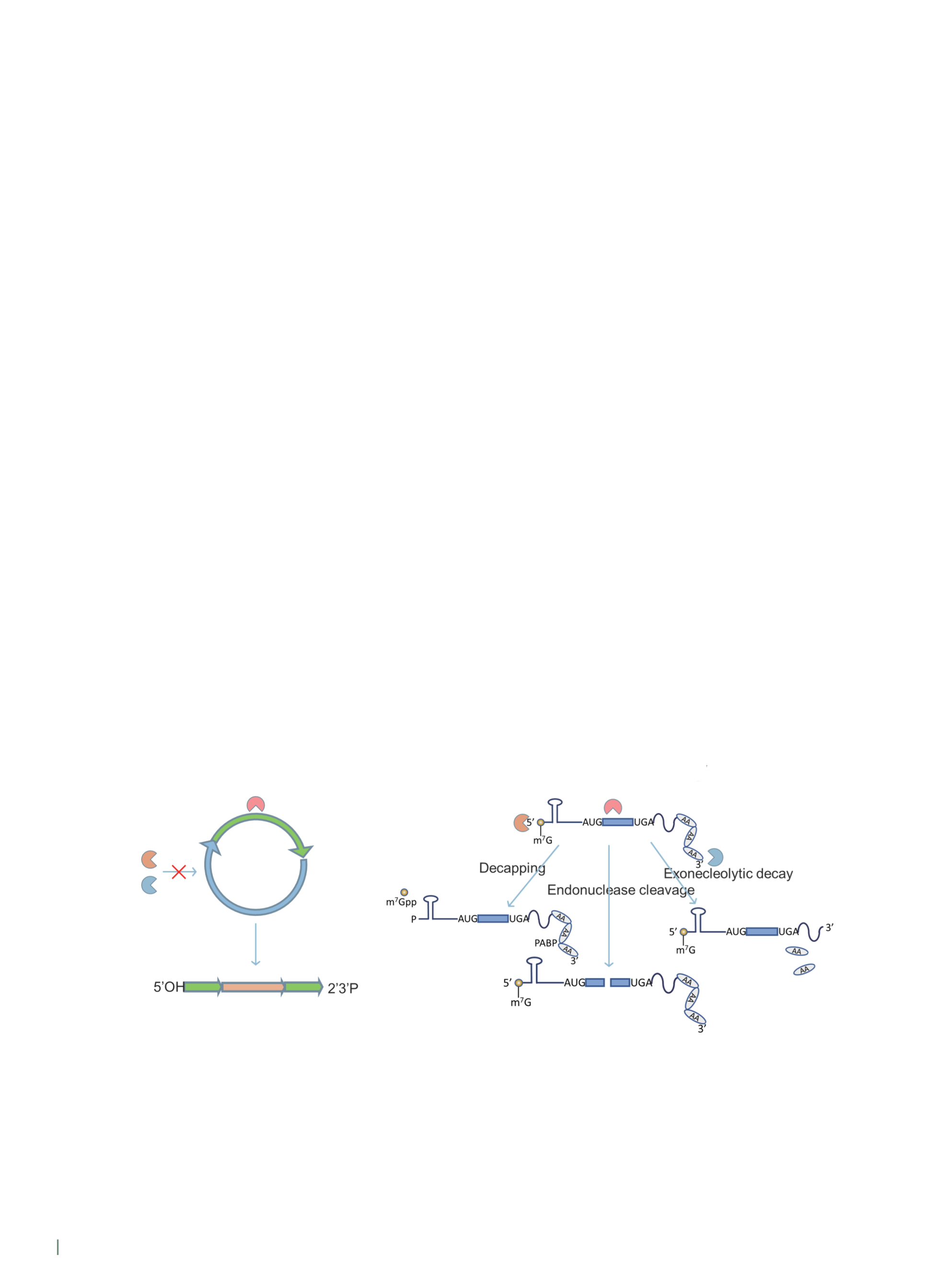
circRNA confers stability superior to that of traditional linear mRNA. This exceptional stability stems from its resistance to
degradation by exonucleases, significantly extending its half-life and laying the foundation for long-lasting protein
expression. Simultaneously, its closed structure helps it evade recognition by host pattern recognition receptors (such as
RIG-I), thereby significantly reducing innate immune responses and enhancing therapeutic safety¹. Currently, circRNA
technology has fully entered the clinical validation phase, demonstrating its feasibility. Currently, circRNA technology has
fully entered the clinical validation phase, demonstrating its feasibility.
Building on the unique advantages endowed by its structure, circRNA has emerged as a next-generation RNA technology.
It not only enables sustained and safe therapeutic protein expression but can also be engineered as efficient miRNA
sponges or stable RNA aptamers for regulating gene networks or intervening in disease pathways.
Recently, this technology has achieved breakthrough progress in the field of in vivo CAR-T therapy. Conventional ex vivo
CAR-T cell therapy requires individualized cell collection, in vitro expansion, and reinfusion, involving a lengthy process
(3-6 weeks) and high costs, which greatly limits its therapeutic accessibility. In contrast, circRNA-based in vivo CAR-T
technology leverages its characteristics of long-lasting and stable expression, enabling the direct generation of CAR-T
cells in situ within patients via non-viral delivery systems. This therapeutic strategy demonstrates prominent advantages,
including short production cycle, lower production costs, easier scalability for production, enhanced safety, and high
therapeutic accessibility.
Currently, the latest research data on the application of circRNA-based in vivo CAR-T technology in models of
autoimmune diseases and B-cell malignancies, etc., comprehensively demonstrate the application potential of circRNA².
circRNA holds promise for bringing breakthrough advancements in the prevention and treatment of a broader range of
diseases.
CircRNA Decay
mRNA Decay
Figure 1. circRNA and mRNA degradation pathways
1
From Design to Production: Overcoming the Manufacturing Challenges of Circular RNA
Dual Design Challenges Faced by circRNA: In Vitro Circularization
Strategies and Protein Translation Efficiency
In Vitro Circularization Strategies for circRNA: Challenges and the ProBio Solution
Currently, to meet the demands of biomedical research and clinical applications, various methods for the circularization
technology of circRNA have been developed, primarily encompassing two main technical approaches: enzymatic
ligation and ribozyme-mediated splicing.
Enzymatic Ligation
This method utilizes DNA or RNA “splint” sequences to guide the process, employing T4 DNA ligase or T4 RNA
ligase to catalyze the formation of a phosphodiester bond between the 5’-phosphate end and the 3’-hydroxyl end
of a linear RNA precursor³. However, its ligation efficiency is highly susceptible to interference from RNA secondary
structures. This often results in low circularization efficiency for longer RNA molecules (>1000 nt) and can easily
produce by-products from intermolecular ligation. Consequently, it is more suitable for circularizing shorter RNA.
Ribozyme-Mediated Splicing
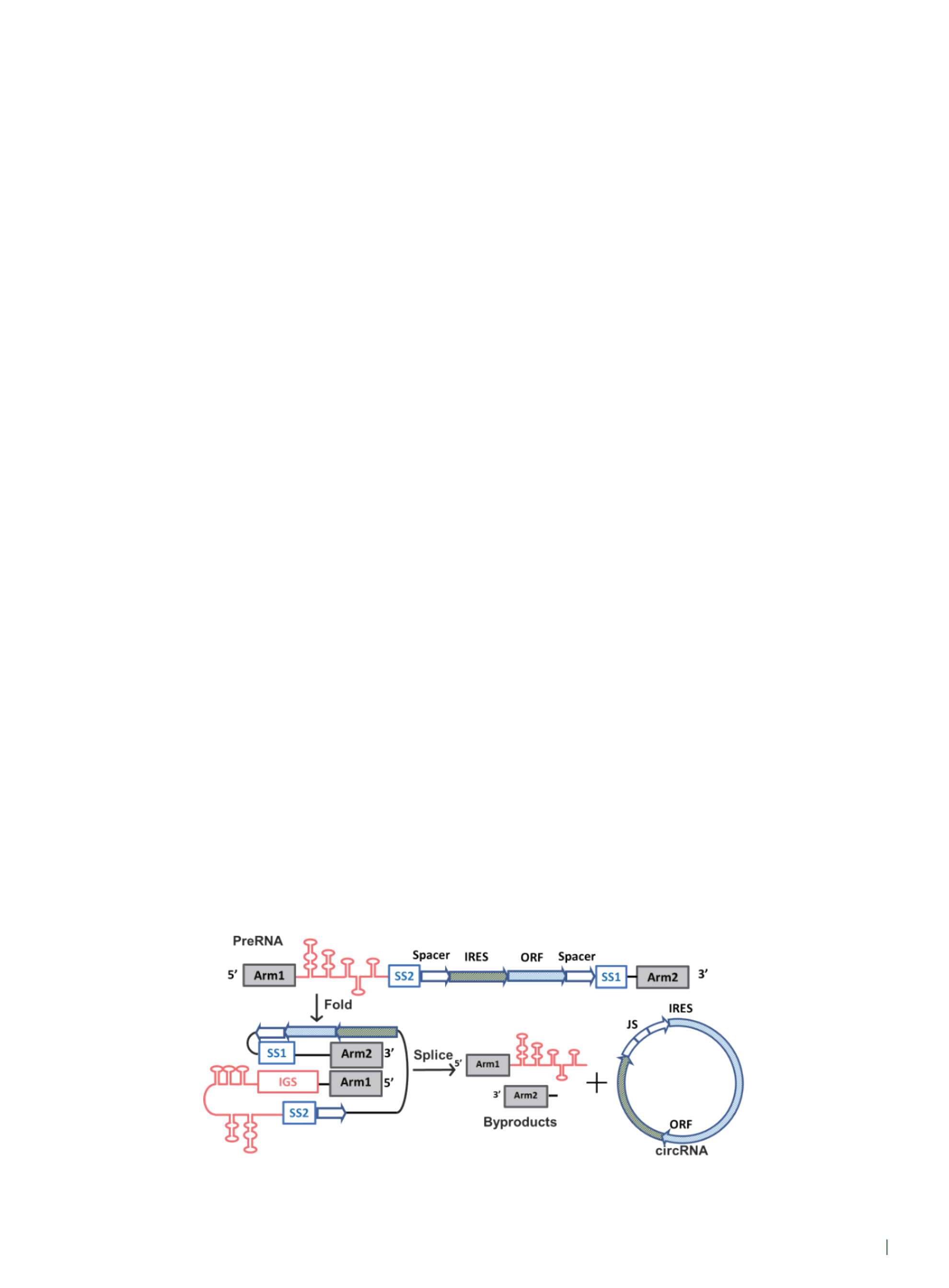
This method (Group I/II intron systems) mimics the natural self-splicing mechanism. Through specific guide
sequences of the ribozyme, the splice sites are brought into close spatial proximity, enabling precise
circularization. Compared to enzymatic ligation, the ribozyme splicing method does not require protein enzyme
participation, which significantly reduces production costs. Simultaneously, it can achieve efficient circularization
of long RNA chains. Therefore, currently, the ribozyme splicing method has become the preferred strategy for in
circRNA synthesis.
However, the folding conformation of the ribozyme itself remains prone to interference from the target
circularization sequence, leading to unstable circularization efficiency. Common optimization strategies include
inserting spacer and substrate-enhancing sequences between the splice sites and the target sequence to
eliminate interference⁴, thereby improving circularization efficiency. However, this design introduces exogenous
nucleic acid sequences into the circRNA final products, which can trigger host innate immune responses5,6. An
improved ribozyme splicing method, the “scarless circularization strategy”, designs the circularization sites
entirely within the target sequence, thereby completely eliminating exogenous scar sequences. However, in this
strategy, the ribozyme lacks the protection of spacer and substrate-enhancing sequences. The complex local
secondary structures near the ribozyme can hinder its correct folding, causing a loss of splicing activity, thus it
often results in unstable circularization rates7.
Figure 2. Circularization through Ribozyme splicing method
ProBioCDMO.com
2

To address the aforementioned technical bottlenecks, ProBio’s in vitro circularization platform has established a
comprehensive circularization system driven by proprietary circularization technology, offering three in vitro
circularization solutions to precisely match application needs at different stages and scenarios.
Scarred Circularization Solution: Based on the mature self-splicing autocatalytic circularization mechanism, it
improves circularization efficiency and robustness by introducing substrate-enhancing sequences. Through
sequence optimization, ProBio minimizes the length of these substrate-enhancing sequences (<10 nt) to reduce
or eliminate host immune responses5 triggered by their role as “scar” sequences.
Building on the scarred solution, ProBio also provides two scarless circularization solutions:
Customized Scarless Solution: This is a fully customized circularization route. By integrating sequence
optimization and intelligent site screening strategies, it designs scarless circularization solutions for any target
sequence (including non-coding RNAs), making it particularly suitable for studies with special sequence
requirements in the early R&D stage (e.g., preparation of non-coding circRNAs). However, its circularization
efficiency requires wet-lab validation and faces adaptability challenges for sequences that are too short or too
long. The ProBio platform predicts and avoids local structures unfavorable for circularization through free energy
calculations and dynamic folding simulations. It also offers multi-site screening services to determine optimal
circularization conditions via small-scale experiments, thereby increasing the success rate per round to over 50%.
Plug-and-Play Scarless Solution: Employing pre-screened circularization elements and fixed sites, this solution
features a “plug-and-play” characteristic. It enables efficient, scarless circularization of 500–3000 nt
protein-expressing circRNAs without custom design, and supports parallel construction of circRNA libraries with
different IRES and different codon optimizations, greatly shortening the screening cycle.
Overall, ProBio’s in vitro circularization design platform balances generality, robustness, and flexibility. Users can
select solutions based on sequence length, application scenario (coding/non-coding), and requirements for
immunogenicity.
Protein Expression of circRNA: Challenges and the ProBio Solution
Beyond circularization strategies, how to improve the protein expression efficiency of circRNA is also one of the
significant challenges in circRNA drug development. Unlike mRNA, which relies on a 5’ cap structure, circRNA
initiates translation via a functional element called an Internal Ribosome Entry Site (IRES). Consequently, its
expression performance is jointly determined by the potency of the IRES and the codon optimization of the coding
sequence (often measured by Codon Adaptation Index, CAI). However, simply combining a high-performance
IRES with a coding region of high CAI is not optimal and can even be detrimental to expression. The IRES, as the
key element for initiating protein translation in circRNA, relies heavily on forming a correct folded conformation to
effectively recruit ribosomes to initiate translation; this functional conformation is susceptible to interference from
the coding sequence , disrupting its structural integrity and consequently reducing translation initiation efficiency.
Therefore, an ideal circRNA design necessitates the synergistic optimization of IRES conformational stability and
the translation elongation rate of the coding region. ProBio’s circRNA design system, established based on
extensive molecular design validation, can balance the constraining relationship between these two factors at the
sequence level, thereby systematically and significantly enhancing the overall expression performance of
circRNA8.
3 From Design to Production: Overcoming the Manufacturing Challenges of Circular RNA

Circular RNA Production and Analytical Testing: Challenges and
the ProBio Solution
The collaborative optimization of high-efficiency circularization and high-purity product yield constitutes a core
challenge in the production process of circRNA. The entire workflow encompasses key steps such as in vitro
transcription (IVT), circularization, DNA template removal, dephosphorylation, purification, and aseptic filtration.
Among these, the regulation of the circularization reaction is particularly critical.
Circularization efficiency is influenced by parameters such as temperature, reaction buffer composition, and
reaction time. The circularization reaction process is accompanied by the generation of intronic ribozyme
fragments as by-products. Furthermore, insufficient circularization leads to residual linear RNA precursor
(preRNA), while excessive circularization can cause circRNA breakage, producing nicked RNA. Nicked RNA is
difficult to remove due to its high similarity in length, sequence, and structure to circRNA.
RNA impurities generated during circRNA synthesis process are the primary factors to induce immune responses.
Linear RNA impurities may contain 5’-triphosphate groups, thereby activating Type I immune responses, while
nicked RNA can also be recognized by Toll-like receptors, triggering immune activation¹.
Therefore, impurities and by-products generated during the circRNA circularization process (linear precursors,
nicked RNA, ribozyme fragments, etc.) pose dual challenges for both purification processes and purity analysis
methods.
Regarding purification technologies, existing strategies have their respective limitations: Common enzymatic
purification strategies (such as RNase R digestion) can effectively remove linear impurities, but their impurity
removal efficiency is affected by RNA secondary structure, offering limited effectiveness against nicked RNA, and
may even lead to degradation of the circRNA itself if the digestion time is too long. When using chromatographic
purification strategies, affinity chromatography relies on specific tag design (e.g., poly(A) tag). It can capture and
remove impurities like preRNA and intron fragments efficiently, but it still cannot effectively remove nicked RNA.
Reverse-phase chromatography (RPC) can efficiently separate nicked RNA based on polarity differences, but the
organic solvents used in the process may affect product activity and impose special requirements on production
equipment (high-pressure equipment) and facility (e.g., explosion-proof).
For circRNA purity analysis, the identification and quantification of various components in circRNA sample require
analytical methods with high resolution. Orthogonal analytical methods for circRNA purity is necessary, such as
using CGE-PA800 and RPIP-HPLC.
ProBio has developed multiple analytical methods for circRNA purity (Table 1) based on the Technical Guidelines
for Pharmaceutical Research of Preventive mRNA Vaccines (Draft for Comments) issued by CDE. As shown in
Figure 3, CGE-PA800 and RPIP-HPLC enable high quality separation for circRNA purity. ProBio established a
powerful and robust analytical platform capable of addressing the related challenges encountered in circRNA
quality investigation.
ProBioCDMO.com
4
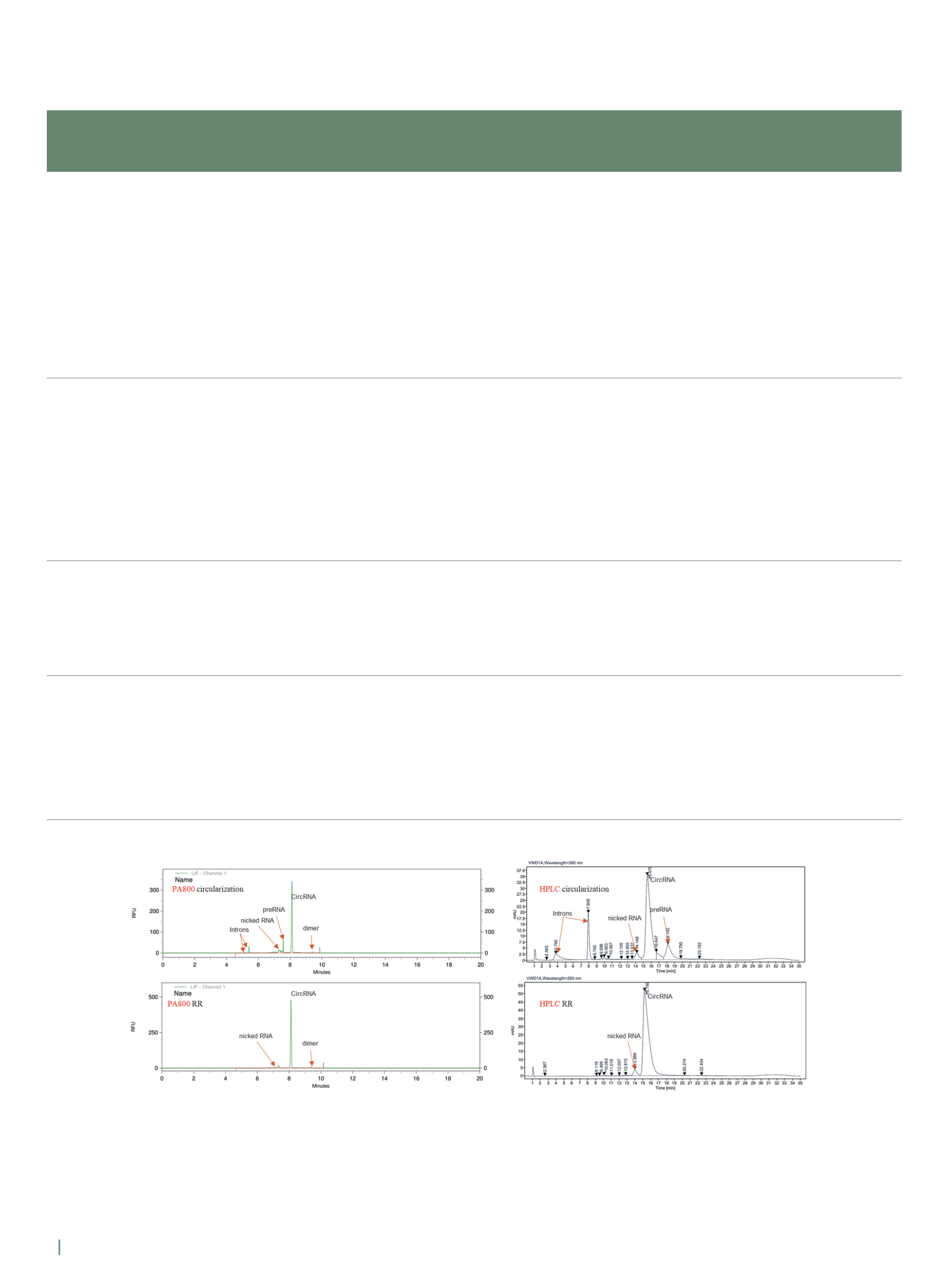
Table1. Comparison of circRNA purity analysis methods
Analytical
Method
Separation
Capability
Application
Scenarios
Methodological
limitations
ProBio
Solution
The strongest, capable of
separating all major
impurities of circRNA and
other degrading impurities
Product release,
characterization,
orthogonal
High cost, long analysis
time, low throughput;
Primary peak splitting
(possibly related to the
higher-level structure of
RNA) and splitting of
heteropeaks that cannot be
attributed under existing
conditions
Platform
method
CGE-
PA800
analysis
Relatively strong, it has the
ability to separate circular
RNA with short strand
length comparable to that
of PA800, but for long
RNA, some impurities may
be co-eluted with the
main peak
Product release (if
applicable),
characterization,
orthogonal analysis
The capability of separating
the major impurities from
circRNA is depended on the
sequence length
Platform
method
IPRP-
HPLC
Strong, capable of
separating cricRNA,
nicked RNA, and
preRNA
Process research
and development
and rapid analysis of
process samples
The quantitative analysis
ability of grayscale analysis
was not as good as that of
CGE or HPLC
Platform
method
E-Gel
Only separate RNA of
different lengths, not
circular RNA from nicked
RNA, but it can quantitatively
analyze the strand length of
the target RNA
Circular RNA length
analysis for the
characterization of
impurities other
than nicked RNA
Not suitable for circRNA
purity detection, but suitable
for circRNA chain length
analysis and linear mRNA
integrity detection.
Conventional
approach
CGE-
5200
Figure 3. Different analytical methods for circRNA purity analysis
5 From Design to Production: Overcoming the Manufacturing Challenges of Circular RNA
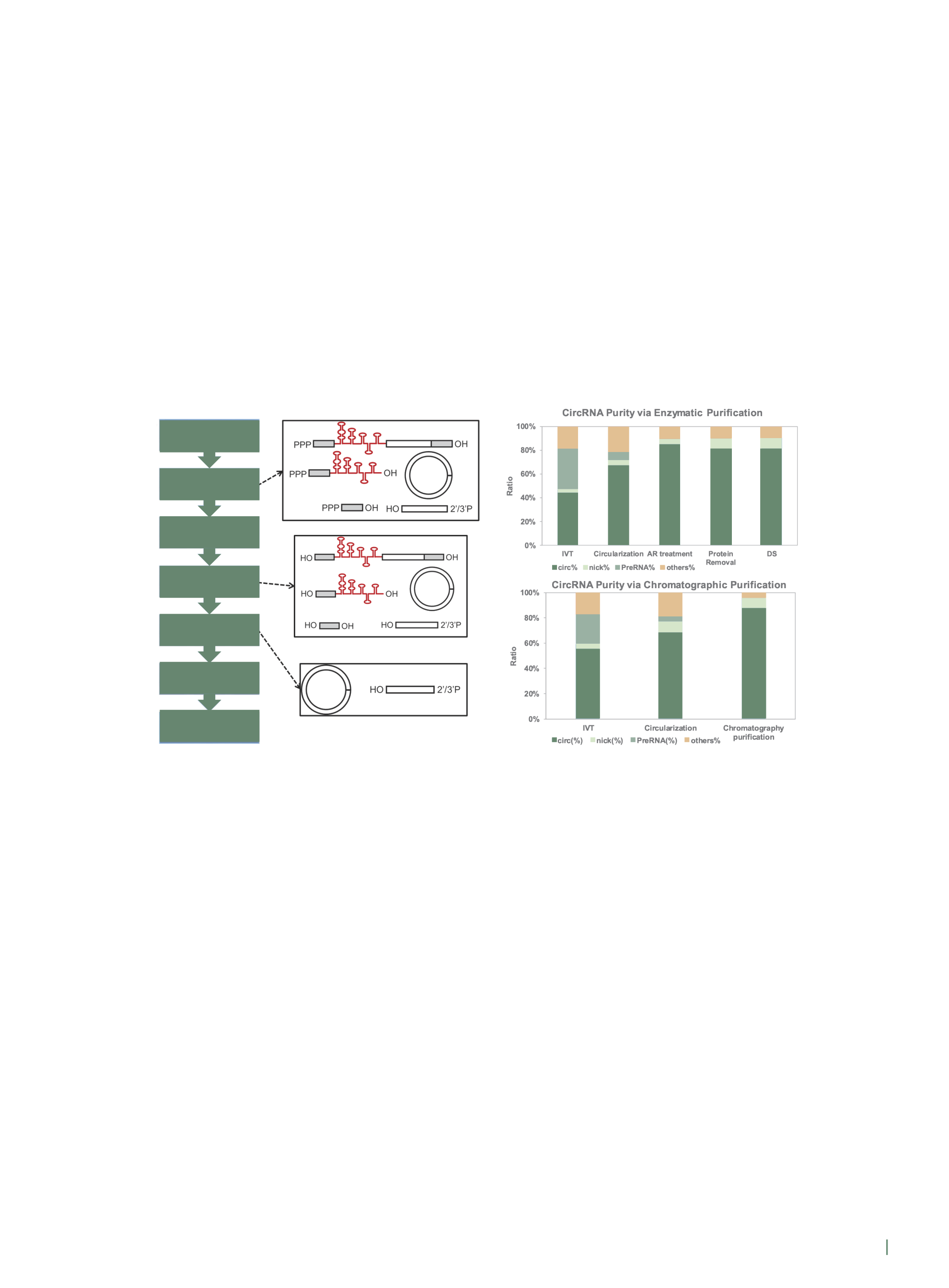
In response to the impurity removal challenges mentioned above, ProBio established solutions from source control
to purification. On the one hand, maximizing circularization efficiency (up to over 90%) via design rational
circularization reaction conditions, thereby fundamentally minimizing the generation of key impurities such as
nicked RNA. On the other hand, multiple purification platform established to remove impurities and increase
circRNA purity, which including enzymatic purification and chromatographic purification.
Furthermore, ProBio simplified and integrated process to increase recovery rate. Meanwhile, optimizing the
process conditions for steps such as tangential flow filtration and chromatographic purification to ensure product
quality. Ultimately, high-quality and low-immunogenicity GMP grade circRNA product are manufactured through
robust process control and rigorous quality analysis.
(B)
(A)
IVT
Circ
TFF1
(C)
Dephosphorylation
Purification
TFF2
SF
Figure 4. CircRNA Process flow of ProBio
Case Study: From Design to Manufacturing – Production and
Activity Study of circRNA
Case 1. De Novo Sequence Design and Process Scale-up of circRNA
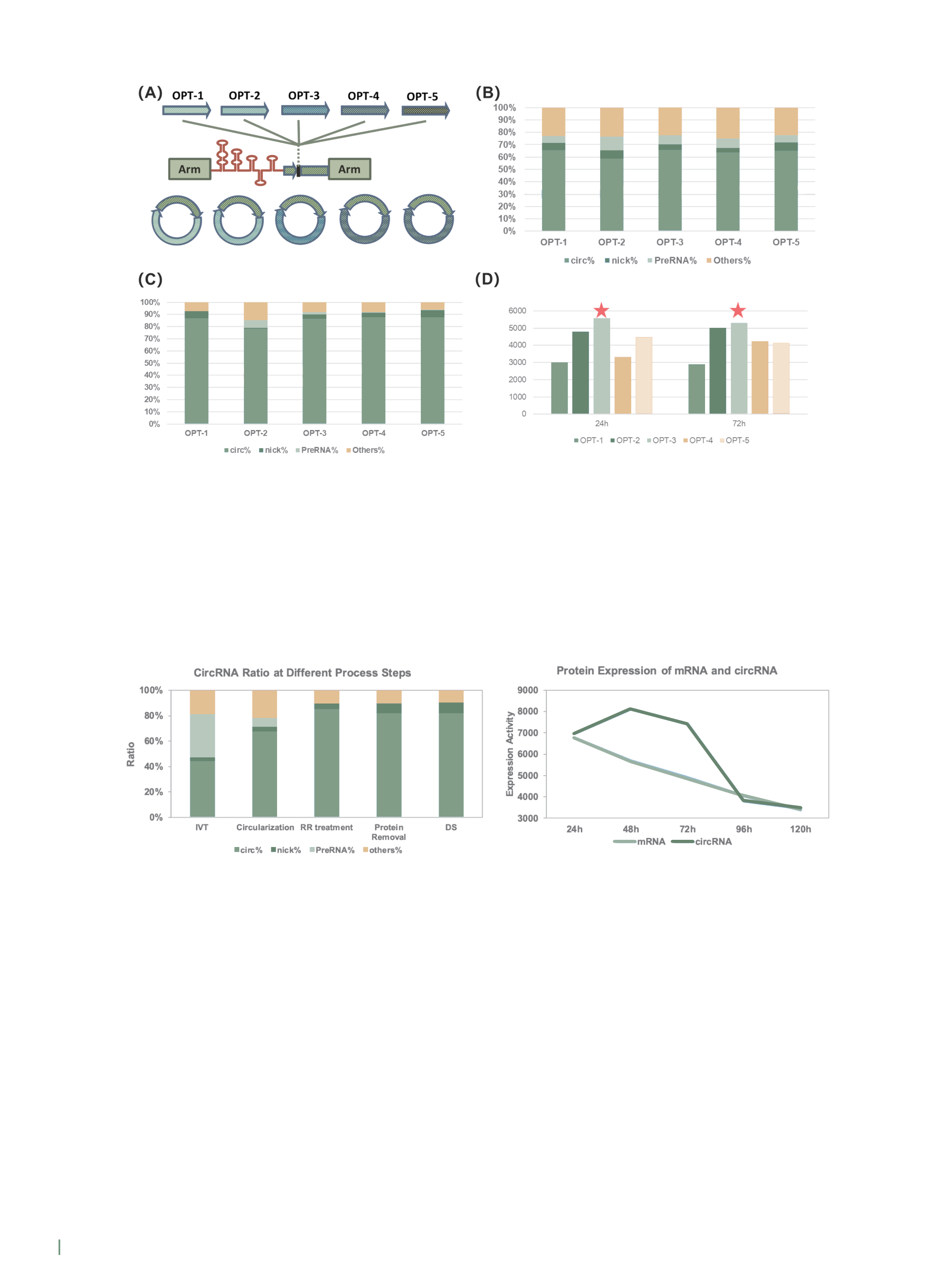
In order to obtain a high expression level circRNA, the “Plug-and-Play” scarless circularization strategy was
chosen. Several preferred IRES elements are combined with different optimized coding sequences, constructing 5
circRNA precursors. As shown in Figure 4, all five circRNA precursors resulted in efficient circularization (circRNA
ratio >60% in crude mixture before purification). After purification, the purity of the circRNA could reach 85%.
ProBioCDMO.com
6
Circularization validation (PA800)
Purity of CircRNA
CircRNA In Vitro Expression
Figure 5. CircRNA sequence design and screening process.
(A) CircRNA precursor sequence design and optimization (crude mixture of circRNA);
(B) Circularization effects of different circRNA precursor;
(C) Purity of the circRNA final products;
(D) in vitro expression of circRNA
(A)
(B)
Figure 6. Scalable circRNA manufacturing and activity characterization
7
From Design to Production: Overcoming the Manufacturing Challenges of Circular RNA
Case 2. Functional Validation of circRNA-anti-CD19-CAR: Efficient and Sustained
Protein Expression
circRNA-anti-CD19-CAR products is manufactured via ProBio’s circRNA technology platform based on codon
optimization and in vitro circularization strategies, followed by functional validation.
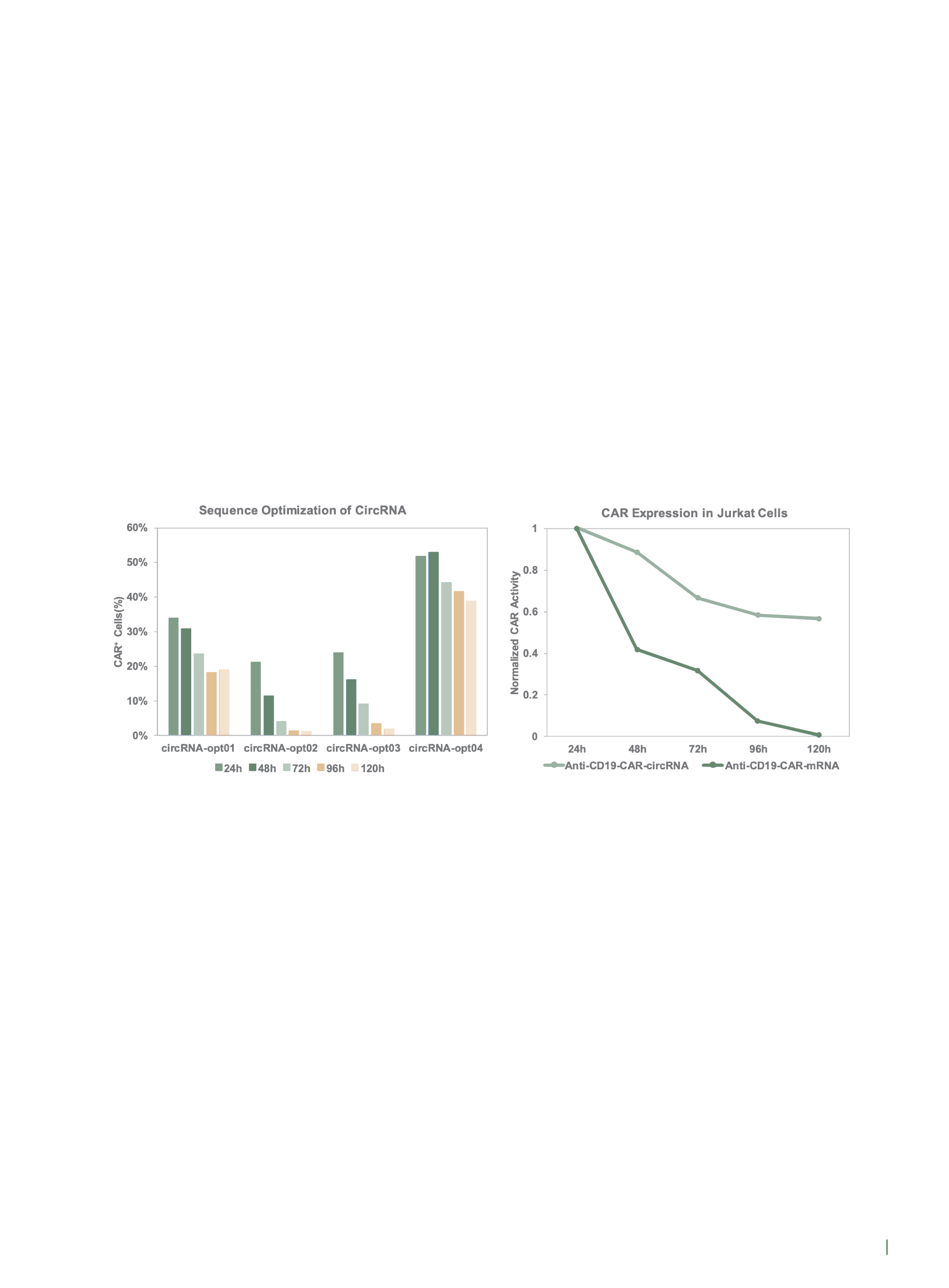
Sequence Optimization: Based on ProBio’s RNA sequence optimization platform, anti-CD19-CAR circRNA
sequence was optimized. Screening was performed using NeoLNP™ SDR2008 transfection in Jurkat cells, resulting
in a significantly increased positive rate of the optimized sequence and showing superior sustained expression
effects (Figure 7A).
Protein Expression Assessment: As shown in Figure 7B, compared to the linear mRNA control group,
circRNA-anti-CD19-CAR demonstrated a more prolonged protein expression profile. Its half-life was significantly
longer than that of linear mRNA, which is consistent with the structural stability of circRNA and its resistance to
exonuclease degradation.
(A)
(B)
Figure 7. Sequence optimization of circRNAAnti-CD19-CAR (A) and in vitro cell expression (B)
ProBioCDMO.com
8

Summary
ProBio’s circRNA platform builds a "trinity" technical system from sequence design, process optimization, and quality
control to address the main challenges and bottlenecks of circRNA product industrialization with a “trinity” technical
system: ensuring efficacy and safety through sequence design, guaranteeing product purity and robust process scale-up
through process optimization, and conducting multi-dimensional product characterization, functionality, and safety
validation via rigorous analytical quality control strategies.
At the sequence design level, the plug-and-play circularization strategy and AI-assisted circularization site prediction
model significantly enhance scarless circularization rates and screening success rates.
Addressing CMC production challenges, the highly integrated circularization process breaks through traditional purity
bottlenecks (final product purity>80%, total recovery>40%, nicked RNA<10%) and successfully adapts to the production
requirements of GMP-grade circRNA.
In the quality control phase, a multi-dimensional detection system based on IPRP-HPLC, CGE-PA800, and CGE-5200 has
been established to accurately identify critical impurities such as linear precursors (preRNA) and nicked RNA.
The platform has achieved a leapfrog breakthrough from laboratory-scale to GMP production: in functional validation,
circRNA demonstrated sustained expression for 72-96 hours in vitro, with increased protein yield compared to linear
mRNA. Through a modular design encompassing design, production, and quality control, the platform is successfully
adapted for in vivo CAR-T applications, resulting in controllable reduction in CMC costs with experience in multi-project
batch production and delivery. Its feasibility for process scale-up has received pre-submission recognition from the FDA,
establishing a standardized paradigm for the scaled production of therapeutic-grade circRNA products.
Reference
1. Wesselhoeft, R. A. et al. RNA circularization diminishes immunogenicity and can extend translation duration in vivo. Mol.
Cell 2019, 74, 508-520.
2. Wang, Y. Y. et al. Synergically enhanced anti-tumor immunity of in vivo panCAR by circRNA vaccine boosting. Cell Rep
Med 2025, 6, 102250.
3. Chen, R. F. et al. A Computationally optimized ribonucleic acid circularization strategy without byproducts. J. Am. Chem.
Soc. 2025, 147, 32932-32940.
4. Wesselhoeft, R. A. et al. Engineering circular RNA for potent and stable translation in eukaryotic cells. Nature Commun
2018,9, 2629.
5. Guo, S. K. et al. Therapeutic application of circular RNA aptamers in a mouse model of psoriasis. Nature Biotech 2025,
43, 236-246.
6. Liu, C. X. et al. RNA circles with minimized immunogenicity as potent PKR inhibitors. Mol. Cell 2022, 82, 420-434.
7. Du, Y. F. et al. Efficient circular RNA synthesis for potent rolling circle translation. Nat. Biomed. Eng. 2025, 9 1062-1074.
8. Xu, C. C. et al. CircDesign algorithm for designing synthetic circular RNA. BioRxiv 2023.
9 From Design to Production: Overcoming the Manufacturing Challenges of Circular RNA

ProBio Inc.
Building 9, 311 Pennington Rocky Hill Rd,
Pennington, NJ
ProBioCDMO.com
+1-732-885-9188 (US)