
White Paper
High-Concentration Formulation

WHITE PAPER
Challenges and Solutions in
the Development of
High-Concentration Protein
Formulations
ProBioCDMO.com
High concentration formulation market
As biomedicine advances and market demands evolve, high-concentration protein formulations (HCPF) have become
increasingly prominent in the biopharmaceutical industry. HCPF is particularly valued for making subcutaneous protein
drug injections feasible. HCPF offers significant benefits in both clinical and commercial contexts. Clinically, it allows
for patient self-administration, reducing the need for frequent medical visits, enhancing patient compliance, and
lowering healthcare costs. Commercially, it supports product innovation and differentiation, easing competitive pressures
and reducing the risks associated with new drug development.1 Additionally, high-concentration protein formulations are
in high demand for specialized delivery methods, such as intravitreal injections, where the unique structure of the eye
necessitates extremely small injection volumes (typically around 50 µL and not exceeding 100 µL).
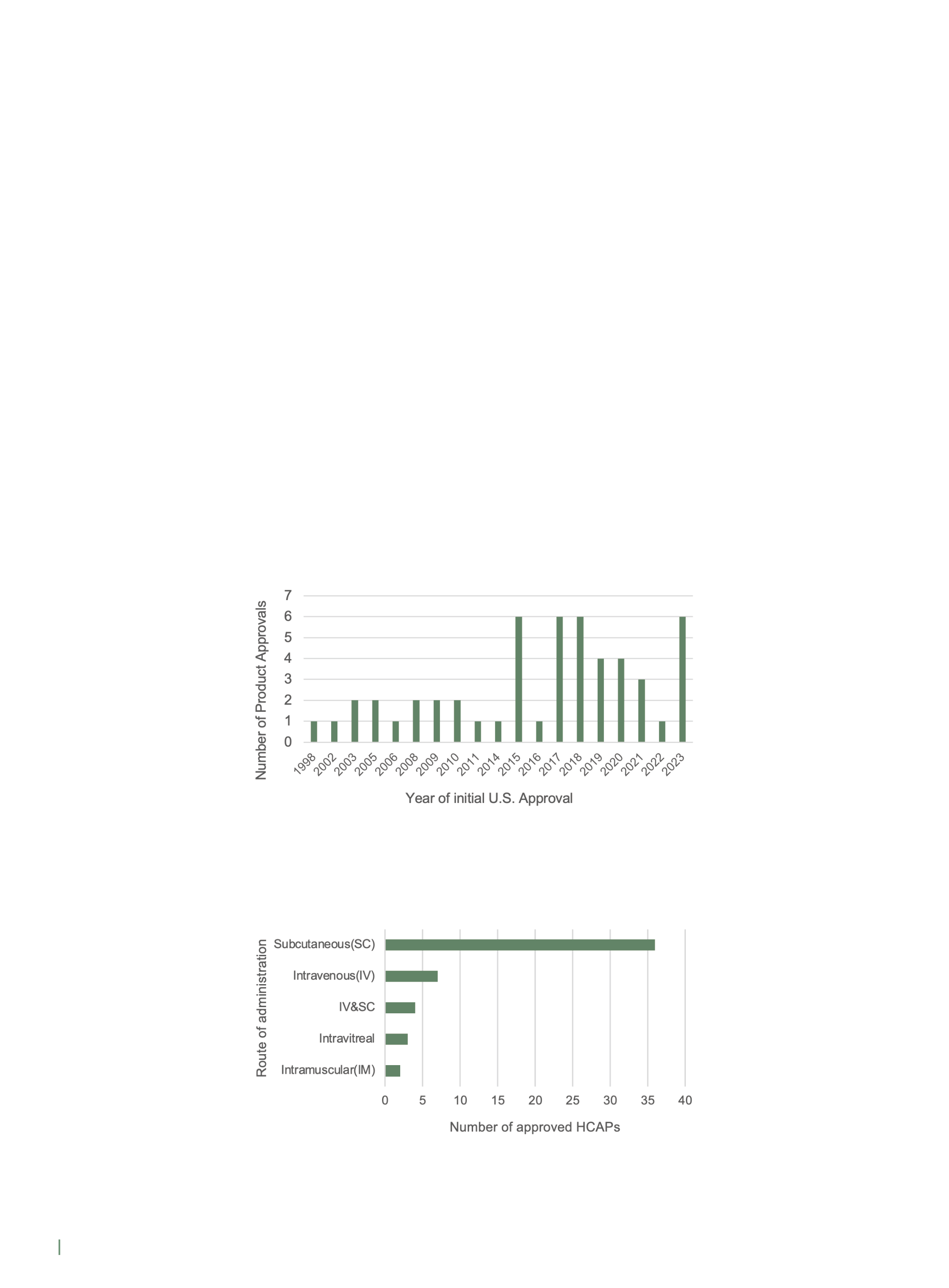
Market data indicates that HCPF is predominantly used in antibody products. Figures 1 and 2 show the number of high
concentration antibody product (HCAP) approved by the FDA and their distribution across various administration
routes from 1998 to 2023. The approval of HCAP by the FDA has shown a marked increase since 1998. In 2023 alone,
12 antibody products received FDA approval for the first time, with 6 of these being HCAPs, accounting for 50% of the
total. Furthermore, nearly 70% of HCAPs are administered via subcutaneous injection.2
Fig 1 Trends in U.S. HCAP Product Approvals by Year (1998–2023)
Fig 2 Approved HCAPs by Route of Administration
1
Challenges and Solutions in the Development of High-Concentration Protein Formulations
Challenges in Developing High-Concentration Protein Products
As protein concentration increases, multiple noncovalent intermolecular interactions lead to heightened
viscosity and accelerated aggregation.3,4 Additionally, higher protein concentration result in elevated levels
of residual host proteins, including esterases that degrade polysorbate, a commonly used surfactant. This
accelerated degradation compromises the surfactant's ability to stabilize the protein.5-8
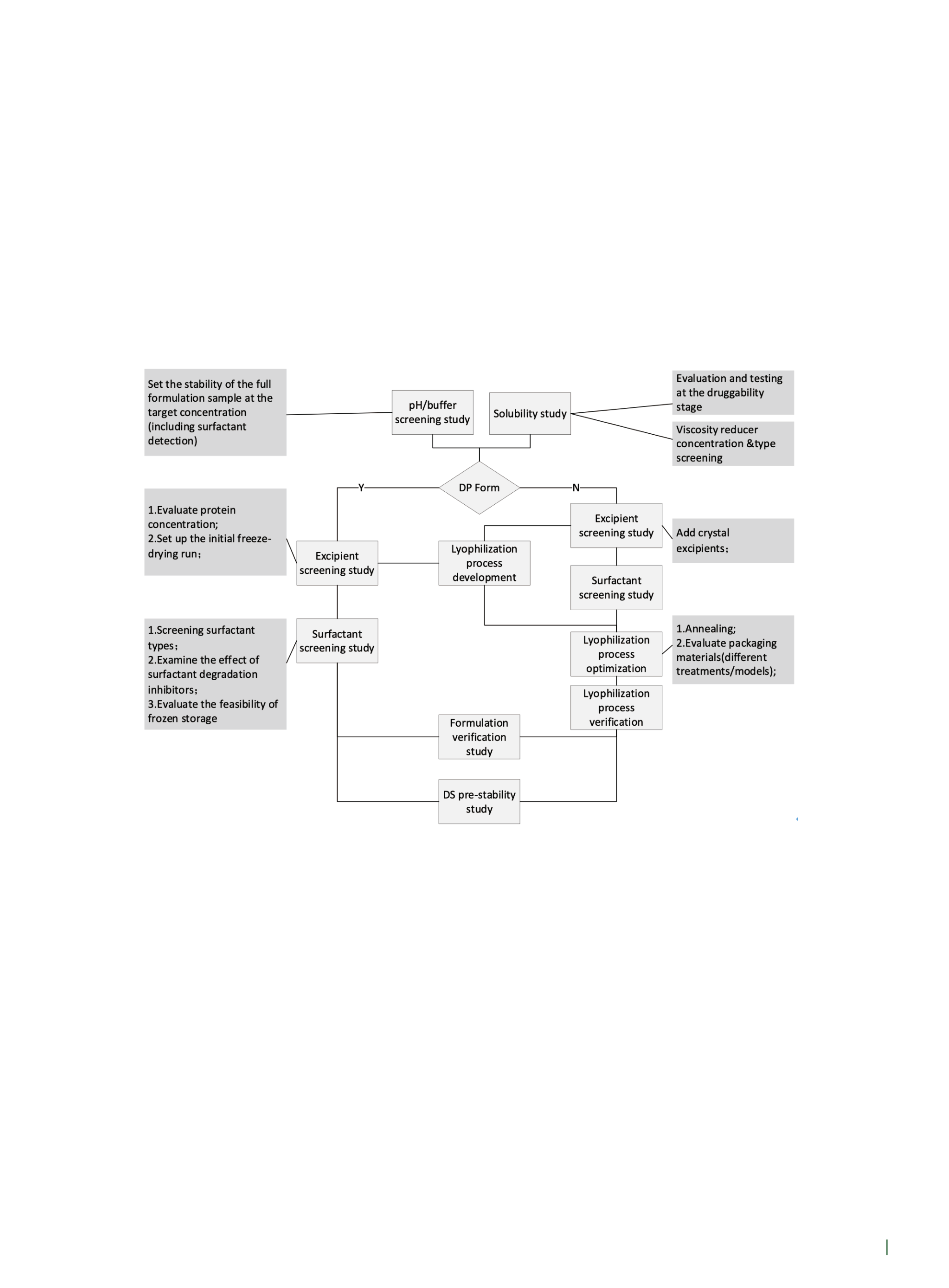
Figure 3 showcases ProBio's specialized approach to tackling the challenges of high-concentration protein formulations.
By leveraging extensive experience in biologics development, ProBio has crafted a formulation platform that optimizes
and accelerate the development.
Fig 3 ProBio's High-Concentration Formulation Development scheme
Solutions for high concentration protein formulation challenges
Developing high-concentration formulations presents several challenges, such as high viscosity, rapid aggregation,
accelerated surfactant degradation, fluctuations in protein concentration measurements, pH drift, and stringent HCP
(Host Cell Protein) control. The following section delve into the primary challenges related to viscosity, aggregation,
and surfactant degradation, and explore the solutions for effective formulation development.
Viscosity
Extensive research has established a clear correlation between protein concentration and solution viscosity, primarily driven
by non-covalent interactions, especially electrostatic forces, between protein molecules. At low concentrations, these
interactions had minimized impact to viscosity. However, as protein concentration rises, reduced molecular spacing leads
to exponential increase in viscosity. Typically, the viscosity of solutions for subcutaneous injection should be ≤20 cP,
ProBioCDMO.com
2
while intravitreal injections require even lower viscosity, usually ≤10 cP.9
To address viscosity issues, it is essential to reduce protein-protein interactions, typically achieved by adding
viscosity-reducing excipients. Commonly used excipients include amino acids and inorganic salts such as arginine
hydrochloride, sodium chloride, and proline. The effectiveness of these agents depends on the specific protein and the
type and amount of the excipient used, requiring a tailored approach for each project.10 In ProBio's experience, appro-
priate viscosity reducers have lowered viscosity by up to 70%. Additionally, selecting the right protein concentration is
crucial, requiring a careful balance of clinical needs, viscosity, and stability.
Aggregation
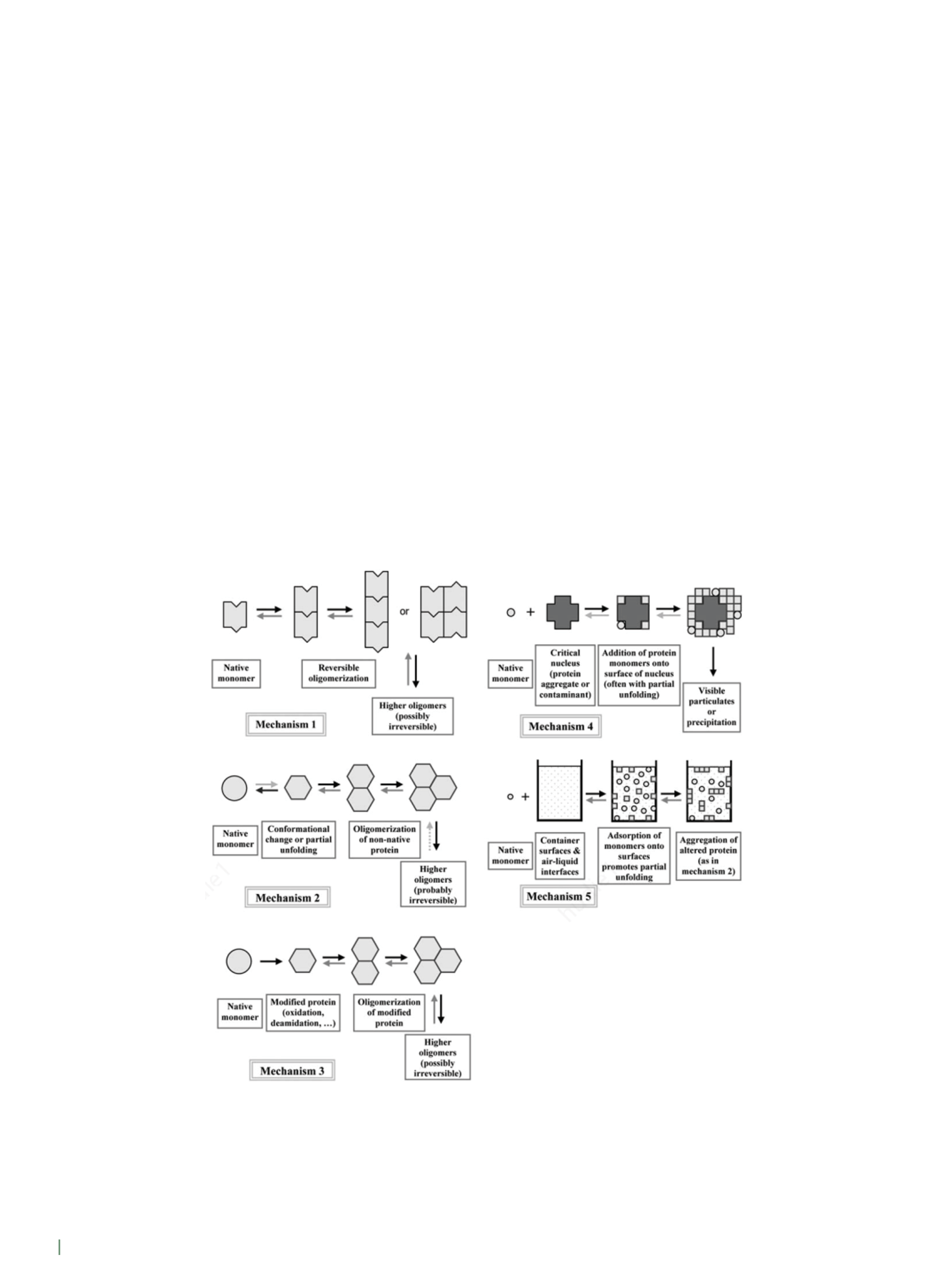
Protein aggregation at the molecular level is driven by intermolecular attractive forces, with different proteins leading to
diverse aggregation behaviors. As shown in Figure 4, interactions between protein monomers can produce aggregates
with varying properties.11 At high concentrations, reduced molecular spacing intensifies these interactions, further
elevating the risk of aggregation through mechanisms like electrostatic interactions, van der Waals forces, and
hydrophobic effects.
Fig 4 Diagram of Common Aggregation Mechanisms
Single-factor (OFAT) or DoE (Design of Experiments) methods are used to optimize the formulation by evaluating
the effect from additives and their combinations on stability. HCPF requires extra attention to stability which may
compromised by viscosity reducers and high protein concentration.
3 Challenges and Solutions in the Development of High-Concentration Protein Formulations
Leveraging its extensive experience with protein aggregation, ProBio has developed a method to predict the aggregation
tendencies of candidate formulations by evaluating protein conformational stability with nanoDSF or DSC and colloidal
stability using kD measurements. These predictive evaluations, combined with accelerated stability studies, help to
significantly shorten development timelines while minimizing risks.
Surfactant degradation
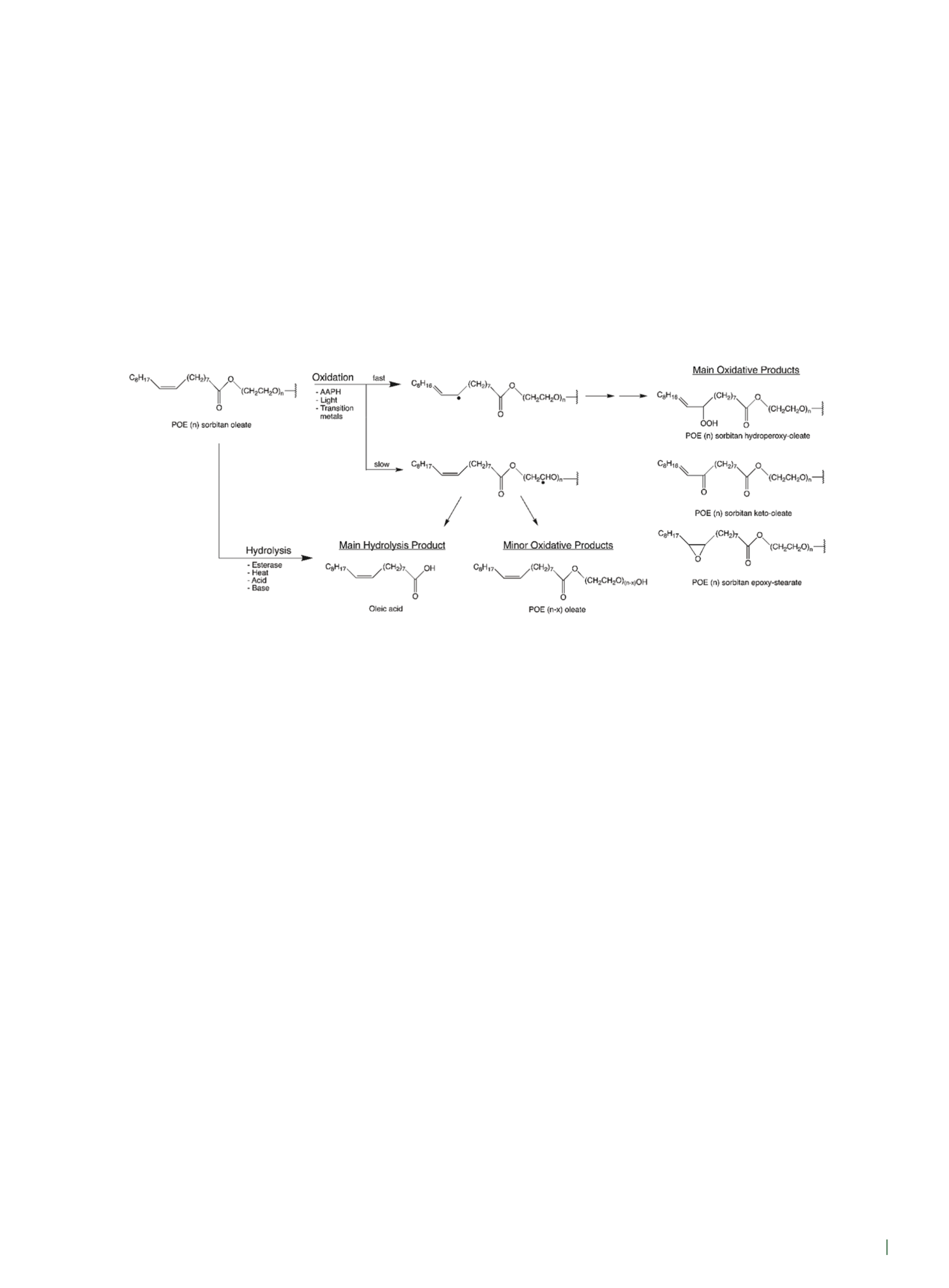
Polysorbate 20 and 80 are the most common surfactants in protein formulations. In high-concentration formulations,
they can degrade through oxidation, hydrolysis, and enzymatic breakdown.10,12 Identifying the causes of degradation is
essential for developing targeted solutions.
Fig 5 Polysorbate Degradation Pathways
ProBio conducts comparative studies early in the formulation development of high-concentration formulations.
These studies(such as adding methionine, EDTA, using non-histidine buffer systems, or incorporating enzyme
inhibitors)help identify the causes and risks of surfactant degradation and provide a foundation for developing
effective solutions.
Different from typical oxidation and hydrolysis, enzymatic degradation usually occurs only in HCPF. This degradation is
caused by esterases from Host Cell Proteins (HCPs) that specifically catalyze the cleavage of ester bonds in polysorbate
molecules, compromising their ability to protect proteins. Esterases is concentrated in ultra filtration step among the
target protein. And high esterases concentration could accelerate the degradation of polysorbate molecules. This
issue is typically addressed by controlling esterase levels through upstream and downstream processes, using
surfactants without ester bonds, or applying lyophilization.
Other challenges
Long reconstitution time
High-concentration protein formulations have high solid content, dense cake layers, and high viscosity after reconstitution.
During reconstitution, the solution exhibits poor wettbility, low tendencies for rehydration and disintegration, and low
porosity, all of which contribute to a prolonged reconstitution time, sometimes even extending to several hours13-17
.
Improving the crystallinity during the freezing process of the solution helps address the issue of long reconstitution
times14. Based on ProBio's project experience, the reconstitution time can be reduced by more than half. However,
depending on the product's application scenarios and market strategies, the shortened reconstitution time may still
ProBioCDMO.com
4

be unacceptable, in which case, reducing the protein concentration appropriately should be considered.
pH drift
pH drift is relatively common in HCPF due to the Donnan effect, where protein molecules specifically adsorb certain
ions in the solution, causing pH changes. This can be mitigated by pH correction during buffer preparation, adjusting
the solution's pH to offset the drift cased by Donnan effect.
UF/DF risks
Over concentration is always applied during UF/DF step to increase the recovery rate. For HCPF, over concentration
might lead to membrane clogging which caused by high viscosity. Therefore, close coordination with downstream
processes is essential during formulation development to ensure scalability under target conditions. Additionally,
downstream purification should optimize UF/DF membrane pore size, material, and process parameters to reduce
production risks.
Big variation in concentration measurement
Conventional UV spectrophotometry requires diluting protein solutions for accurate concentration measurements. For
high-concentration protein formulations (HCPF), high viscosity and large dilution factors can lead to significant
measurement variability. Recent advances allow for direct measurement of HCPF without dilution, greatly reducing
this variability. Alternatively, gravimetric dilution can help control measurement variability if differences in solution
density before and after dilution are accounted for.
Summary
HCPF poses challenges such as high viscosity, rapid aggregation, and surfactant degradation. Comprehensive
effort from upstream, downstream, formulation, and analytical department is needed to address the challenges.
ProBio leverages its extensive experience and industry-leading expertise to successfully support clients in delivering
high concentration formulation projects.
5 Challenges and Solutions in the Development of High-Concentration Protein Formulations

References
1. Viola, M.; Sequeira, J.; Seiça, R.; Veiga, F.; Serra, J.; Santos, A.C.; Ribeiro, A. J. Subcutaneous delivery of monoclonal
antibodies: how do we get there? J. Controlled Release 2018, 286, 301-314.
2. Indrajit Ghosh, Hiten Gutka, Mary E. Krause, Ryan Clemens & Ramesh S. Kashi. A systematic review of commercial
high concentration antibody drug products approved in the US: formulation composition, dosage form design and
primary packaging considerations. mAbs,2023, 15:1
3. Yadav, S.; Laue, T. M.; Kalonia, D. S.; Singh, S. N.; Shire, S. J. The influence of charge distribution on self-association
and viscosity behavior of monoclonal antibody solutions. Mol. Pharm. 2012, 9 (4),791−802.
4. Buck, P. M.; Chaudhri, A.; Kumar, S.; Singh, S. K. Highly viscous antibody solutions are a consequence of network
formation caused by domain-domain electrostatic complementarities: Insights from coarse-grained simulations. Mol.
Pharm. 2015, 12 (1), 127−139.
5. Doshi N, et al. Evaluation of super refined™ polysorbate 20 with respect to polysorbate degradation, particle formation
and protein stability. J Pharm Sci. 2020;109(10):2986–95.
6. Dixit N, et al. Residual host cell protein promotes polysorbate 20 degradation in a sulfatase drug product leading to
free fatty acid particles. J Pharm Sci. 2016;105(5):1657–66.
7. Zhang S, et al. Rapid polysorbate 80 degradation by liver carboxylesterase in a monoclonal antibody formulated drug
substance at early stage development. J Pharm Sci. 2020;109(11):3300–7.
8. Roy I, et al. Polysorbate degradation and particle formation in a high concentration mAb: formulation strategies to
minimize effect of enzymatic polysorbate degradation. J Pharm Sci. 2021;110(9):3313–23.
9. Zhou Tian, Xuling Jiang, Zhidong Chen, et al. Quantifying protein shape to elucidate its influence on solution viscosity
in high-concentration electrolyte solutions. Mol.Pharmaceutics 2024,21,1719-1728.
10. Jonathan Zarzar, Tarik Khan, Maniraj Bhagawati, Benjamin Weiche, Jasmin Sydow-Andersen & Alavattam Sreedhara
(2023) High concentration formulation developability approaches and considerations, mAbs, 15:1.
11. John S Philo 1, Tsutomu Arakawa. Mechanisms of Protein Aggregation. Current Pharmaceutical Biotechnology, 2009, 10,
348-351.
12. Nicholsa R. Larson, Yangjie Wei, et al. Comparison of Polysorbate 80 Hydrolysis and Oxidation on the Aggregation of
a Monoclonal Antibody. Journal of Pharmaceutical Sciences Volume 109, Issue 1, January 2020, Pages 633-639.
13. Bhambhani A, Blue JT. Lyophilization strategies for development of a high-concentration monoclonal antibody
formulation: benefits and pitfalls. Am Pharm Rev. 2010;13(1):31–8.
14. Cao W, Krishnan S, Ricci MS, Shih L-Y, Liu D, Gu JH, et al. Rational design of lyophilized high concentration protein
formulations-mitigating the challenge of slow reconstitution with multidisciplinary strategies. Eur J Pharm Biopharm.
2013;85(2):287–93.
15. Sane P, Bogner RH, Bhatnagar B, Tchessalov S. Reconstitution of highly concentrated lyophilized proteins: part 1
amorphous formulations. J Pharm Sci. 2020;109(5):1681–91.
16. Kulkarni SS, Suryanarayanan R, Rinella JV Jr, Bogner RH. Mechanisms by which crystalline mannitol improves the
reconstitution time of high concentration lyophilized protein formulations. Eur J Pharm Biopharm. 2018;131:70–81.
17. Beech KE, Biddlecombe JG, Van Der Walle CF, Stevens LA, Rigby SP, Burley JC, et al. Insights into the influence of the
cooling profile on the reconstitution times of amorphous lyophilized protein formulations. Eur J Pharm Biopharm.
2015;96:247–54.
ProBioCDMO.com
6

ProBio Inc.
Building 9, 311 Pennington Rocky Hill Rd,
Pennington, NJ
ProBioCDMO.com
+1-732-885-9188 (US)