
White Paper
Discovery of Functional Antibody Leads at Early Stage of Lead Screening

WHITE PAPER
Discovery of Functional
Antibody Leads at Early
Stage of Lead Screening
ProBioCDMO.com

Contents
Limitations of a conventional "binder-focused"
workflow in therapeutic antibody discovery
��
01
Discovery of functional antibody leads using
�������
various lead generation platforms
02
�������������������
������������������
Hybridoma platform
02
06
09
Single B cell platform
Phage display platform
�����������������
The selection of a suitable partner to discover
������������
13
functional antibody leads
Limitations of a conventional "binder-focused" workflow in therapeutic
antibody discovery
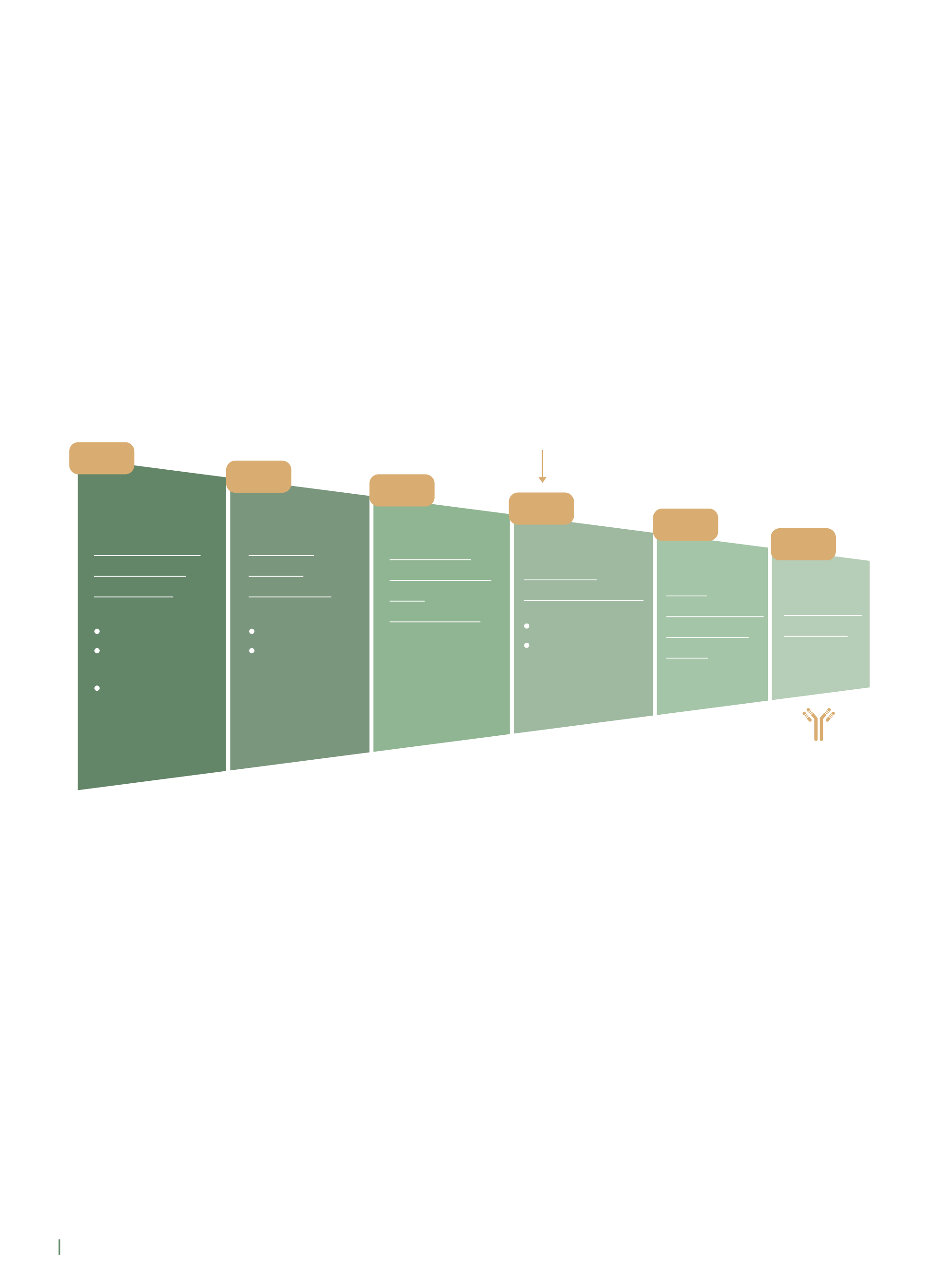
Functional screening is the most crucial step for therapeutic antibody discovery, providing key evidence to justify the
necessity for further development of an Ab candidate. However, currently most antibody lead discovery strategies are
limited by a "binder focused" screening workflow, in which at early stages of lead discovery, only binding assays can be
performed to identify binders to the target, while functional screening can be performed only at a very late stage, using
recombinantly expressed and purified Ab candidates. Such a workflow provides a comprehensive screening funnel to
narrow down the candidate list in a step-by-step fashion, but frequently with a very low efficiency, especially when the
functional binders only take a very small fraction among all binders, since most of the budget and time will be spent on
the identification of undesirable, non-functional binders.
Functional screening
with fewer hits
108-11
104
<100
<50
2-3
1
Various Lead
Generation
Platforms
Primary
Binder
Antibody
Sequencing
and
Functional
Characterization
Lead
Screening
Initiation
of CMC
Optimization
and in vivo
study
Production
Affinity kinetics
Cell-based
assay
Hybridoma
Single B cell
screening
ELISA
FACS
Phage display
Figure 1: Low efficiency is the major bottleneck of a conventional "binder-focused" antibody discovery workflow.
Massive resources are invested into the time-consuming, step-by-step screening schema based mostly on
binding assays, resulting in a possible loss of diversity and lower chance of identifying functional Ab hits.
Therefore, in the next chapter, we will focus on the discussion of solutions that can be applied onto various antibody
discovery platforms, to overcome these limitations and significantly improve the efficiency of Ab lead discovery.
1
Discovery of Functional Antibody Leads at Early Stage of Lead Screening
Discovery of functional antibody leads using various antibody
generation platforms
Functional lead discovery via hybridoma platform
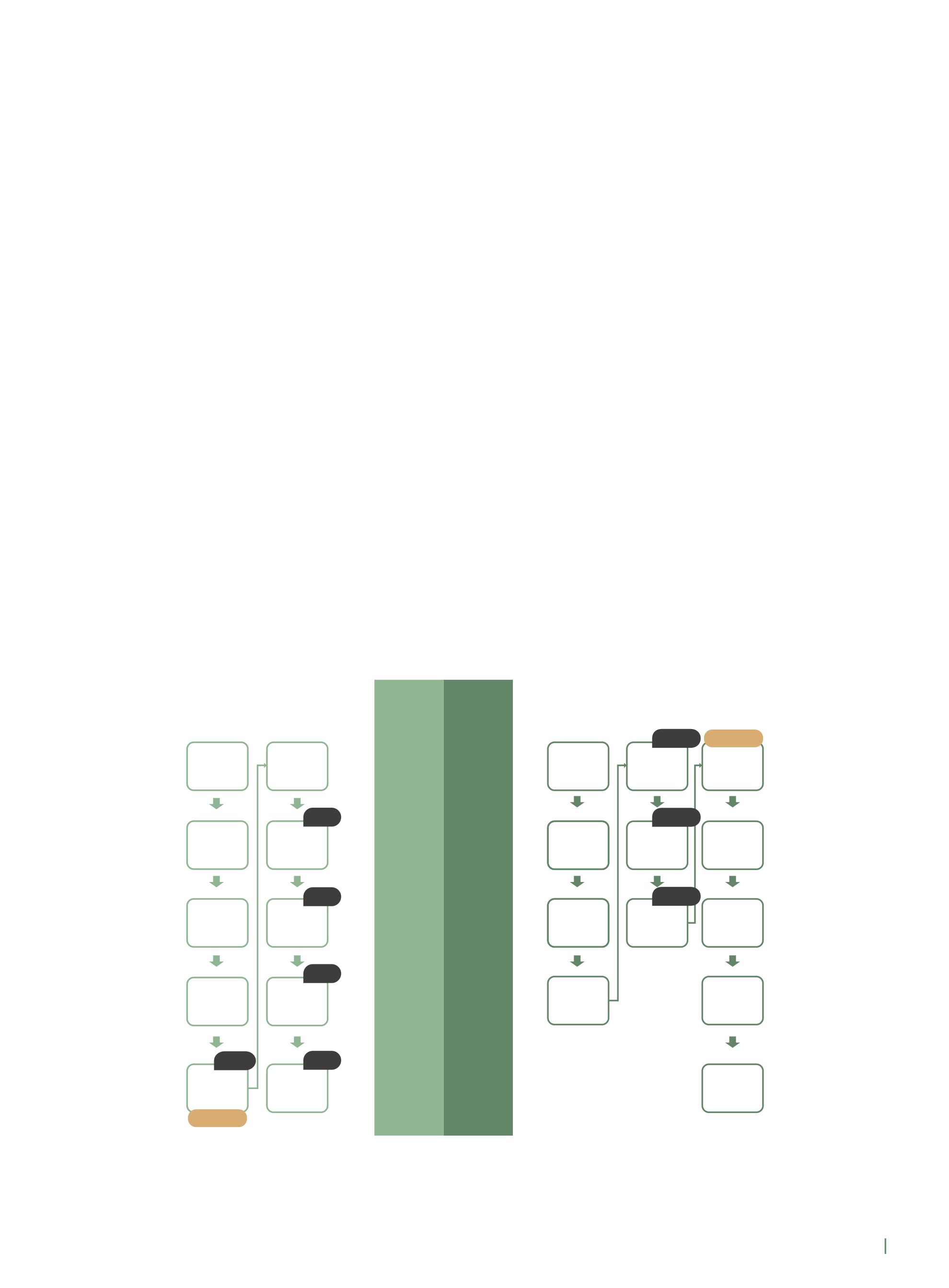
The core concept of conventional hybridoma technology (figure 2, right panel) is to culture the cells in polyclonal
condition initially, to maximally promote the survival of newly fused cells, followed by repeated subcloning step to
recover stabilized monoclones. This strategy achieves a compromise between preservation of candidate hybridoma
clones for further screening and prolonged timeline, but still, leading to the following limitation:
1. First of all, in cultured hybridoma clone of polyclonal nature, most of hybridoma cells do not secret antigen-specific
antibody. Thus frequently the antigen-specific IgG in the supernatant is diluted and of low concentration, making it
difficult to run cell-based functional assays.
2. Alternatively, if the hybridoma cells are cultured for an extended period to enrich IgG in the supernatant, the longer
they are cultured, there may be a higher chance that those negative cells will outgrow those positive ones, leading to
loss of positive hits.
3. Moreover, the subcloning process may take about 6~8 weeks, during which many hybridoma cells may not survive
due to their intrinsic nature of instability, again resulting in loss of positive hits.
To address these limitations, an upgraded hybridoma platform, Powerdoma™ was developed (figure 2, left panel), in
which the tedious and time-consuming process of subcloning is skipped , leading to shortened timeline and earlier
achievement of monoclonal nature to allow functional screening to be performed at early stage of lead idenyification.
ProBio’s
Conventional
Hybridoma
PowerdomaTM
14-20 days Monoclonal
In-vitro
function
assays
Recover
splenocyte
Recover
splenocyte
Expanding
cell culture
Subcloning
7 days
7-14 days
3-4 4-6
Sequencing
of desired
binders
Sequencing
of desired
binders
Binder
screening
Plasma B cell
enrichment
Cell fusion
months
7 days
7 days
Plasmid
preparation
96-well plate,
seeding 5-10
clones per well
In-vitro
function
assays
From
immunization
to
Plasmid
preparation
Cell fusion
7 days
HTP Ab
production
recombinant
Ab
384-well plate,
seeding 1-3
clones/ well
Antibody
production
Binder
screening
7 days
7-8 days
Recombinant
Ab protein
Binder
screening
Recombinant
Ab protein
Monoclonal
Figure 2: Conventional hybridoma vs. PowerdomaTM
ProBioCDMO.com
2
Project statistics of PowerdomaTM platform
More Clones Available for Screening
More positive clones after primary screening
25000
PowerdomaTM
Hybridoma
PowerdomaTM
Hybridoma
20000
Avg.
2143
10000
1000
100
Avg.
14810
15000
10000
5000
Avg.
535
Avg.
10437
10
1
Project
0
Project
1
2
3
4
5
6
7
8
9
10 11
1
2
3
4
5
6
7
8
9
10 11 12
Figure 3B
Figure 3A
Shorter turnaround time to get confirmed
binder sequence
40+
~80%
PowerdomaTM
Hybridoma
PowerdomaTM projects
successfully completed
Monoclonal rate
80
Avg.
58 d
70
60
50
40
30
20
10
0
>97%
100%
Avg.
30.5 d
Success rate of
sequencing
Recombinantly
confirmed
Project1 Project2 Project3 Project4Project5 Project6
Figure 3C
Figure 3D
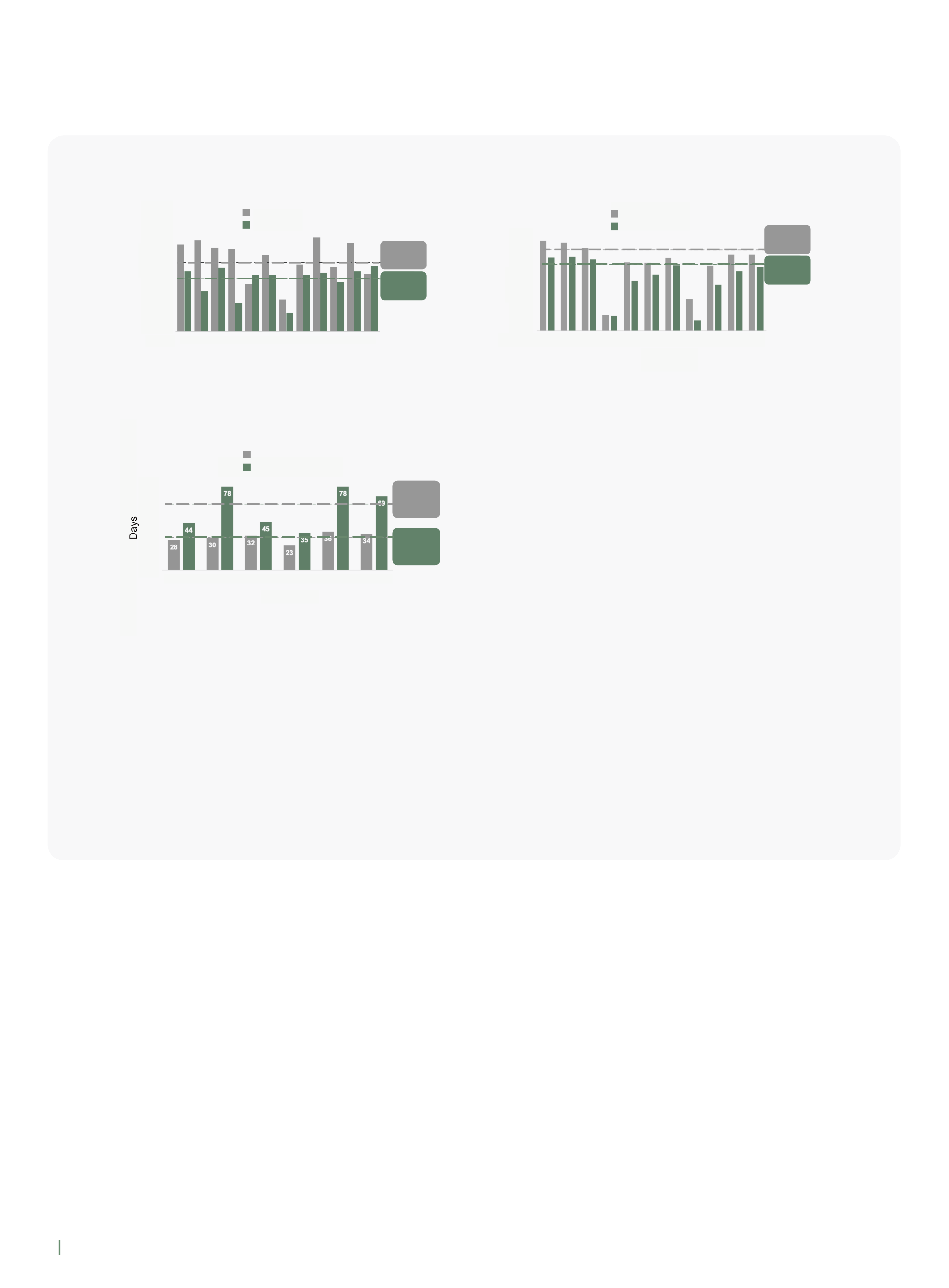
Figure 3: Project statistics of PowerdomaTM platform
Comparing to conventional hybridoma workflow, Powerdoma allows ~40% more hybridoma clones to be
screened (figure 3A), with a shortened timeline decreasing from 58 to 30 days in average (figure 3B), and
a four-fold higher positive hit rate (2000+ vs. 500+) in average from 11 projects with head-to-head
comparison (figure 3C). Based on 40+ previously delivered projects using the Powerdoma workflow, a
monoclonal rate of 80%, sequencing success rate of 97%, and 100% confirmation rate by recombinant
expression, was observed (figure 3D).
Affinity ranking by KD ELISA using PowerdomaTM supernatant
Affinity ranking is a common practice to evaluate antibody kinetics with high throughput fashion. However, conducting
such assay using Biacore or Octet can be very expensive, especially when it comes to hundreds of samples. ELISA, on
the contrary, is a much cheaper way to assess relative affinity, but lacks the kinetics information. Moreover, the readout
of a conventional ELISA assay based on a single dose of supernatant is determined by both affinity and IgG
concentration, therefore, cannot be taken as a measurement to rank the affinity of Ab hits. To address this issue a KD
ELISA assay is developed as a cost-effective way to gain insight into the affinity ranking data.
3 Discovery of Functional Antibody Leads at Early Stage of Lead Screening
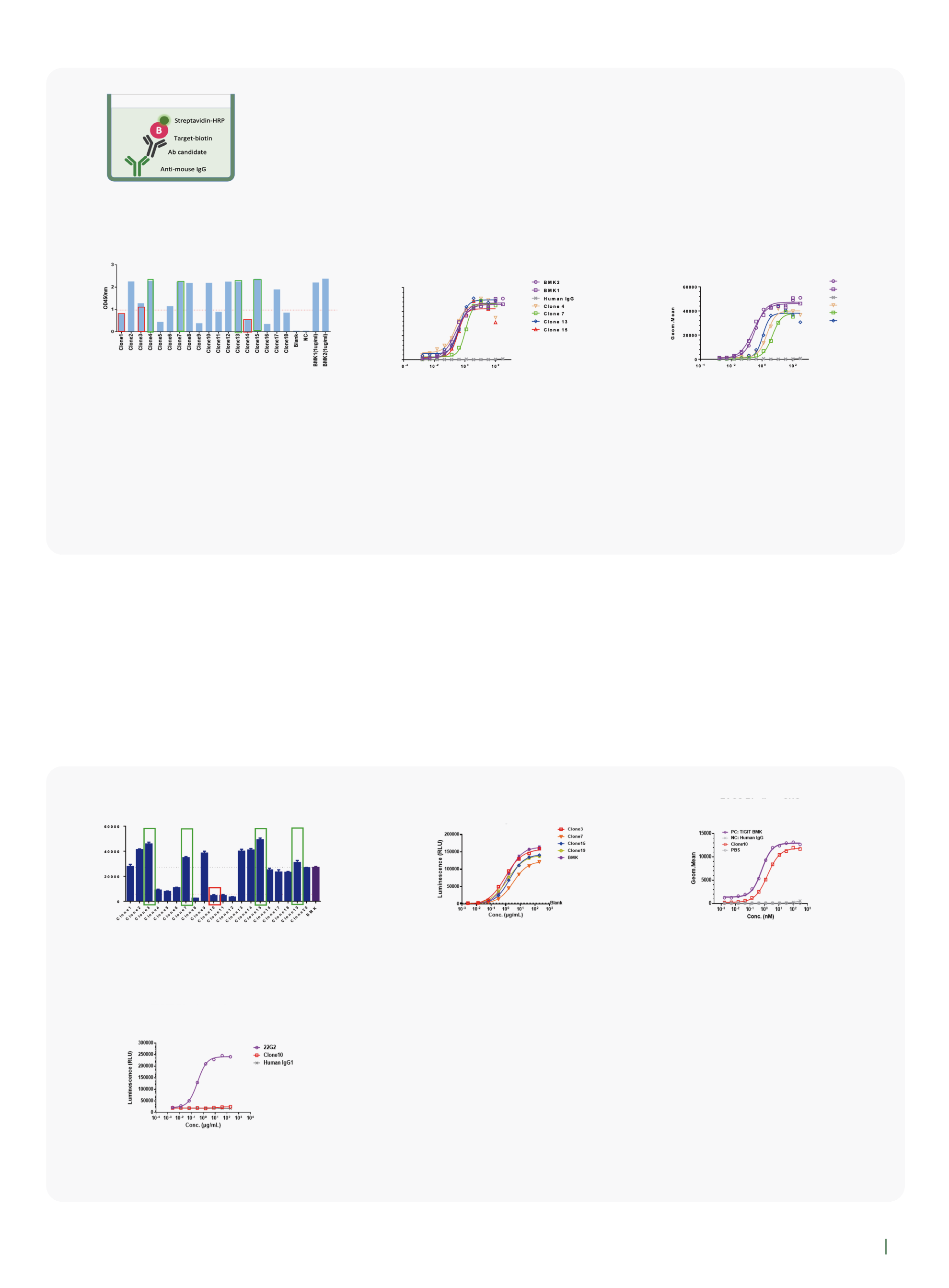
KD ELISA utilize anti-mouse IgG secondary antibody to capture hits (antibody
candidates) in the supernatant, followed by detection with biotinylated antigen
(figure 4A). The concentration of anti-mouse IgG is set to a relatively low level, to
make sure roughly the same amount of hits across all testing samples is captured.
Figure 4A
KD ELISA (Supernatant)
FACS Binding-CHO-K1/CD117 cell pool
FACS Binding-CHO-K1/CD117 cell pool
Figure 4B
Figure 4C
Figure 4D
In a primary screening assay using Powerdoma supernatant based on kD-ELISA, a number of potentially strong
binders (green box) and weak binders (red box) were identified (figure 4B). Then these selected candidates
were recombinantly expressed and characterized by full curve ELISA. Consistently, the previously identified
strong binders (clone 4, 7, 13, 15 in green box) showed a high binding affinity similar to benchmarks (figure 4C),
while those weak binders (clone 1, 3, 14) showed much lower affinity than benchmarks (figure 4D).
Reporter Gene Assay (RGA) using PowerdomaTM supernatant
Reporter Gene Assay (RGA) is widely used in therapeutic antibody discovery as a powerful tool to identify candidates
with desirable biological function. Comparing to primary cell based assay, RGA usually comes with better assay
window and good intra- and inter-assay consistency, making it an ideal tool for high throughput screening at early
stage of Ab discovery.
FACS Binding-CHO-
K1/Human TIGIT stable cells(+)
TIGIT/CD155 Blockade assay
TIGIT/CD155 blockade assay
0.3μg /mL
Blank
Figure 5B
Figure 5C
Figure 5A
TIGIT reporter gene assay was conducted with powerdoma™
supernatant (figure 5A), identifying four potential functional blockers of
TIGIT/CD155 signaling (clone 3, 7, 15, 19, in green box), and one
non-functional binder (clone 10, in red box). These candidates were
recombinantly expressed and the purified Abs subjected to full curve
blocking assays. As shown in figure 5B, these previously identified
functional blockers are confirmed to potently block TIGIT/CD155
signaling, while the non-functional binder (clone 10) binds to TIGIT
(figure 5C) without signaling blockade (figure 5D).
TIGIT Blockade bioassay on
Opti-TIGIT effector cell+ GS-C2/CD155
Figure 5D
ProBioCDMO.com
4
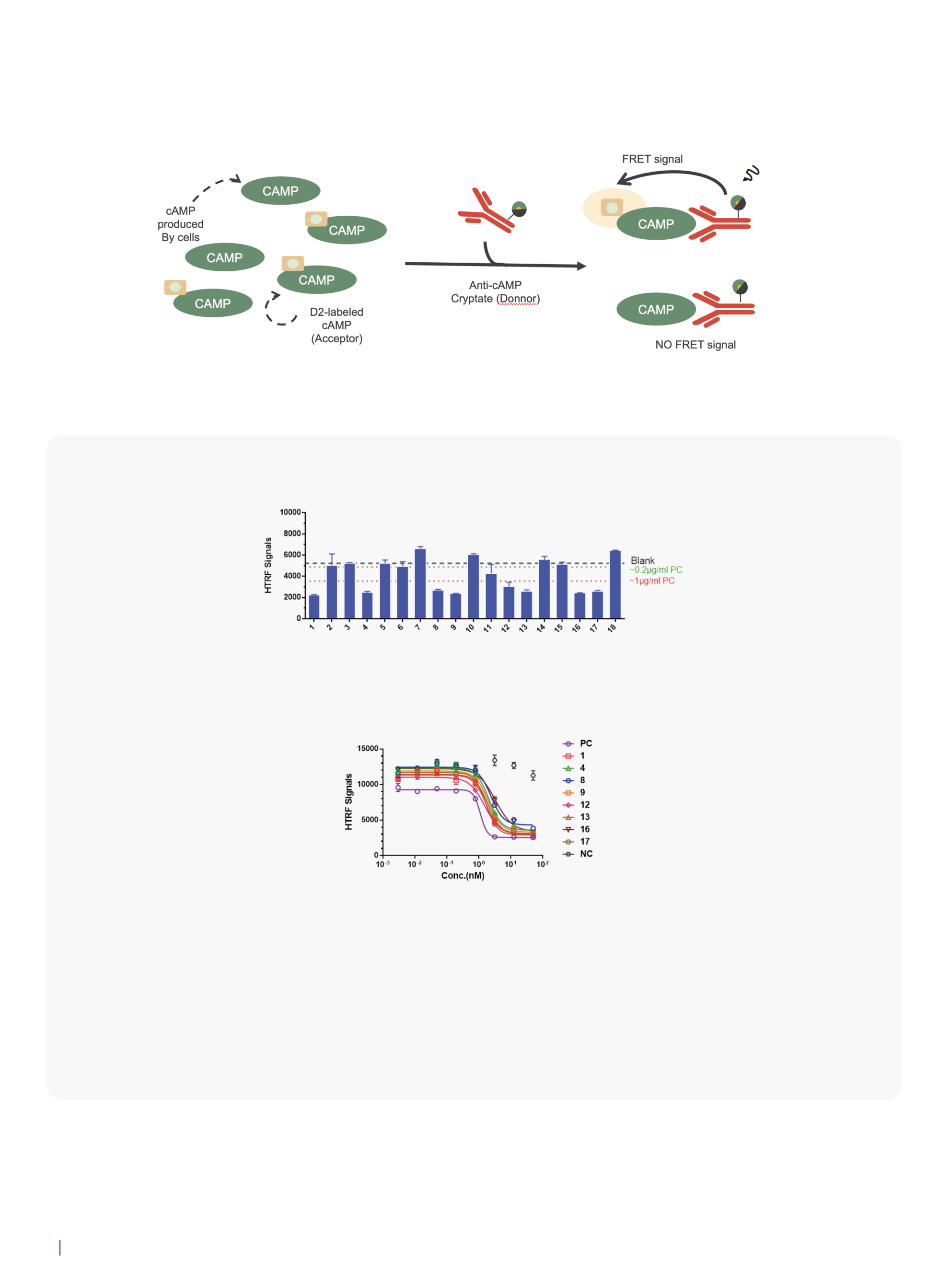
GPCR antagonist/agonist assay using PowerdomaTM supernatant
Neutralization Assay on CHOK1/Gα15/GPCR target A
Figure 6A
Neutralization Assay on CHOK1/Gα15/GPCR target A
Figure 6B
cAMP assay is a well-recognized approach to evaluate the agonist/antagonist activity of antibody against
GPCR targets. By such an assay using powerdoma™ supernatant (figure 6A), a number of potential antagonist
Abs against target A were identified. Consistently, after recombinant expression and purification, these Abs
were confirmed to block target A mediated cAMP production in a dose-dependent manner (figure 6B)
5 Discovery of Functional Antibody Leads at Early Stage of Lead Screening
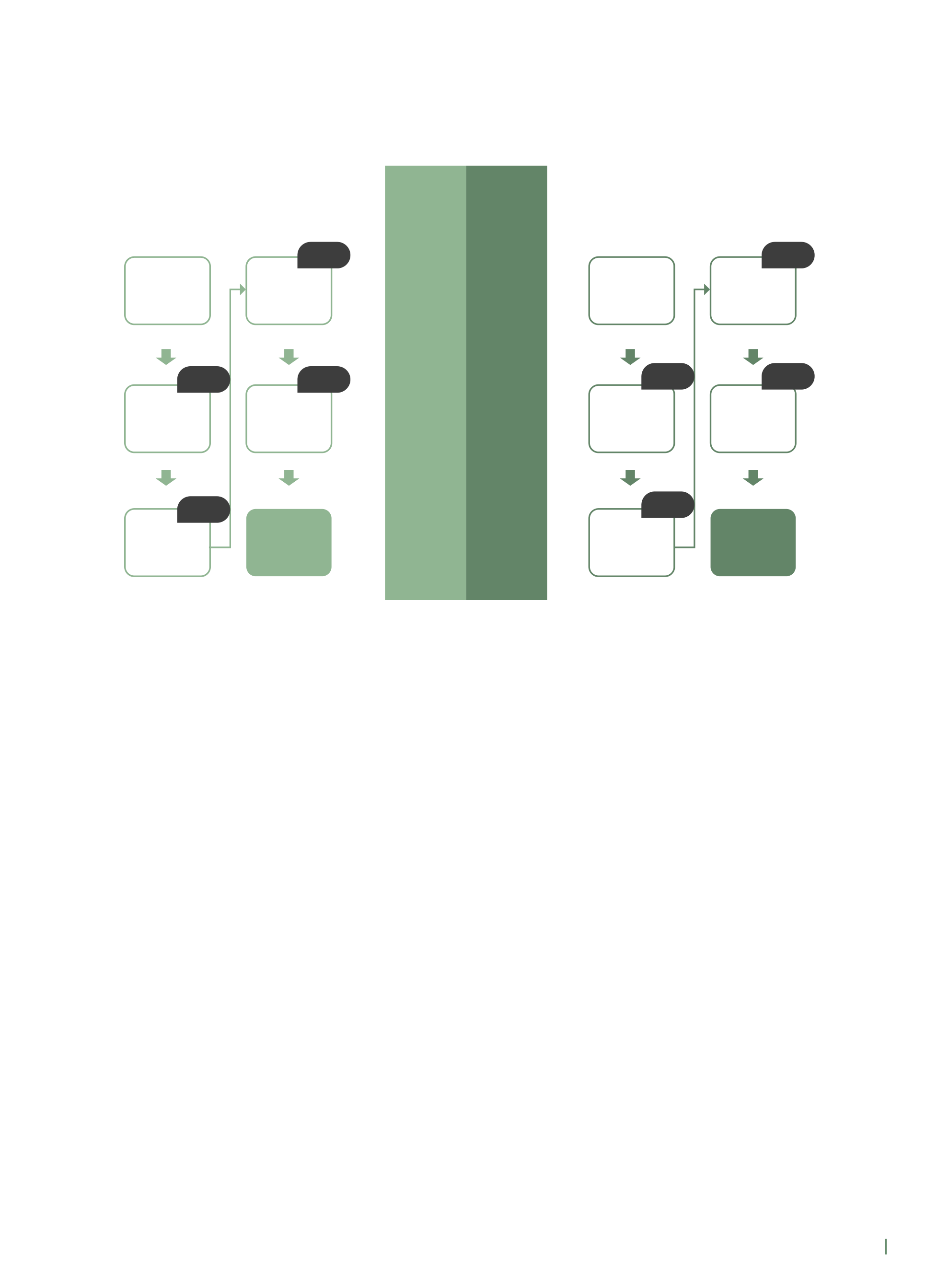
Functional lead discovery via single B cell screening platform
Plasmid based
Expression
ProSpeedTM
Expression
7 days
1 days
Screening
Single B cell
VH/VL PCR
Transient
expression
Single B cell
VH/VL PCR
5-6vs2-3
assays
Weeks
3 days
5 days
10 days
Sequencing
1 days
Linear
From exported B
cell to sequence
of confirmed hits
Screening
assays
expression
cassette
Sequencing
construction
5 days
7 days
HTP
transient
expression
Plasmid
preparation
Hits
Hits
Figure 7: Workflow of plasmid-based and ProSpeedTM expression
To confirm the binding & function of antibody sequences derived from recovered positive B cells, conventional
workflow (figure 7, left panel) relies on costly and time-consuming sequencing and gene syntheses/plasmid
preparation, followed by transient transfection and antibody purification.
In contrast, in the ProSpeed™ workflow (figure 7, right panel), the DNA fragment of variable region from antibody
heavy chain and light chain is amplified by PCR, and cloned into the linear expression cassette, which already contains
the antibody constant region and all necessary expression module. Without any need of plasmid preparation, the
reaction mixture is used for transient transfection. The antibody expression is usually conducted in 96-deep well plate
in a high throughput fashion, and the typical range of IgG concentration in the supernatant is 10µg/ml to 100µg/ml,
which is usually sufficient for binding confirmation and cell-based functional characterization afterward.
In general, the removal of laborious single B cell sequencing and gene synthesis from the workflow greatly reduces the
turnaround time from exported B cell to sequence of confirmed hits, from 5-6 weeks to 2-3 weeks, and with a
substantial reduction of cost as well.
ProBioCDMO.com
6
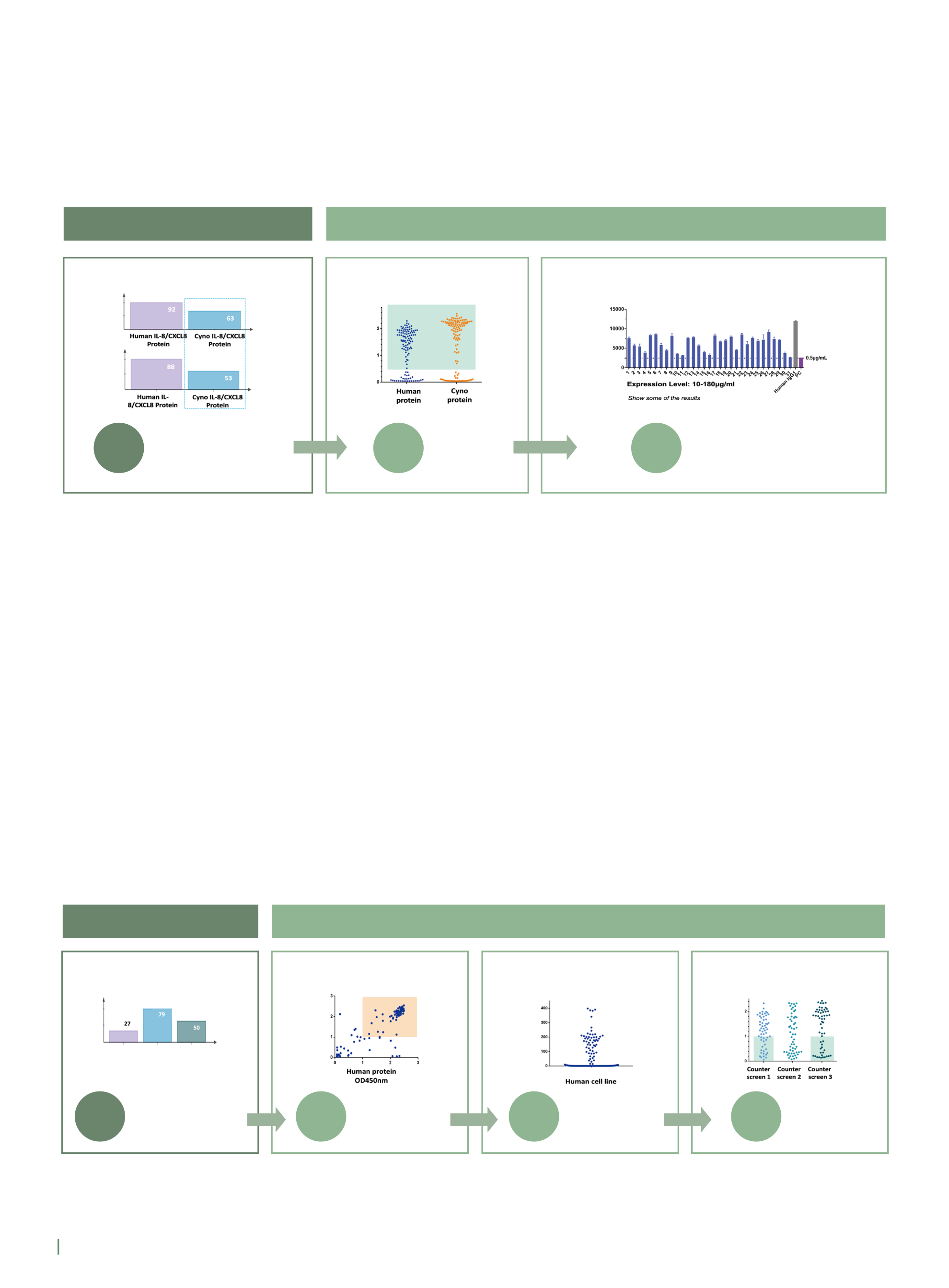
Functional Screening with ProSpeedTM Supernatants
Similar to PowerdomaTM platform, ProSpeedTM expression supernatant can also be applied to RGA functional assay.
Screening Assays with Supernatants of ProSpeedTM Expression
Beacon Screening
Various in-chip binding assays
Binding confirmation by ELISA
Signaling blockade assay for IL-8/CXCR1 by RGA
92
46
0
88
44
0
Binders exported for
linear expression
Confirmed
binders
Functional binders
(IL-8 signaling blockers)
116
85
16
Figure 8A
Figure 8B
Figure 8C
In the case study of IL-8 antagonist antibody discovery (figure 8), 116 positive B cells were identified by Beacon
on-chip screening with human and cyno IL-8 proteins, followed by ProSpeedTM linear expression (figure 8A). The
supernatant of ProSpeedTM expression were first tested by ELISA for binding to human and cyno IL-8, confirming 85
hits were dual binders (figure 8B), among which 16 candidates were shown to block IL-8/CXCR1 signaling by reporter
gene assay (figure 8C)
Multiple Rounds of Screening Beyond Beacon’s Limits
In addition to cell-based functional assay, ProSpeedTM expression supernatant also enables identification of specific
binders against a matrix of positive and negative antigens by multiple rounds of screening.
Beacon Screening
Screening Assays with Supernatants of ProSpeedTM Expression
Various in-chip binding assays
Species cross-reactivity by ELISA
Cell binding by FACS
Counter screening for non-specific
binding
79
39.5
0
Human Ag Cyno Ag Human Ag
ECD
ECD
Cell
Binders exported for
linear expression
Confirmed
ELISA binders
Confirmed
46
Specific
FACS binders
14
156
56
FACS binders
Figure 9A
Figure 9B
Figure 9C
Figure 9D
7
Discovery of Functional Antibody Leads at Early Stage of Lead Screening
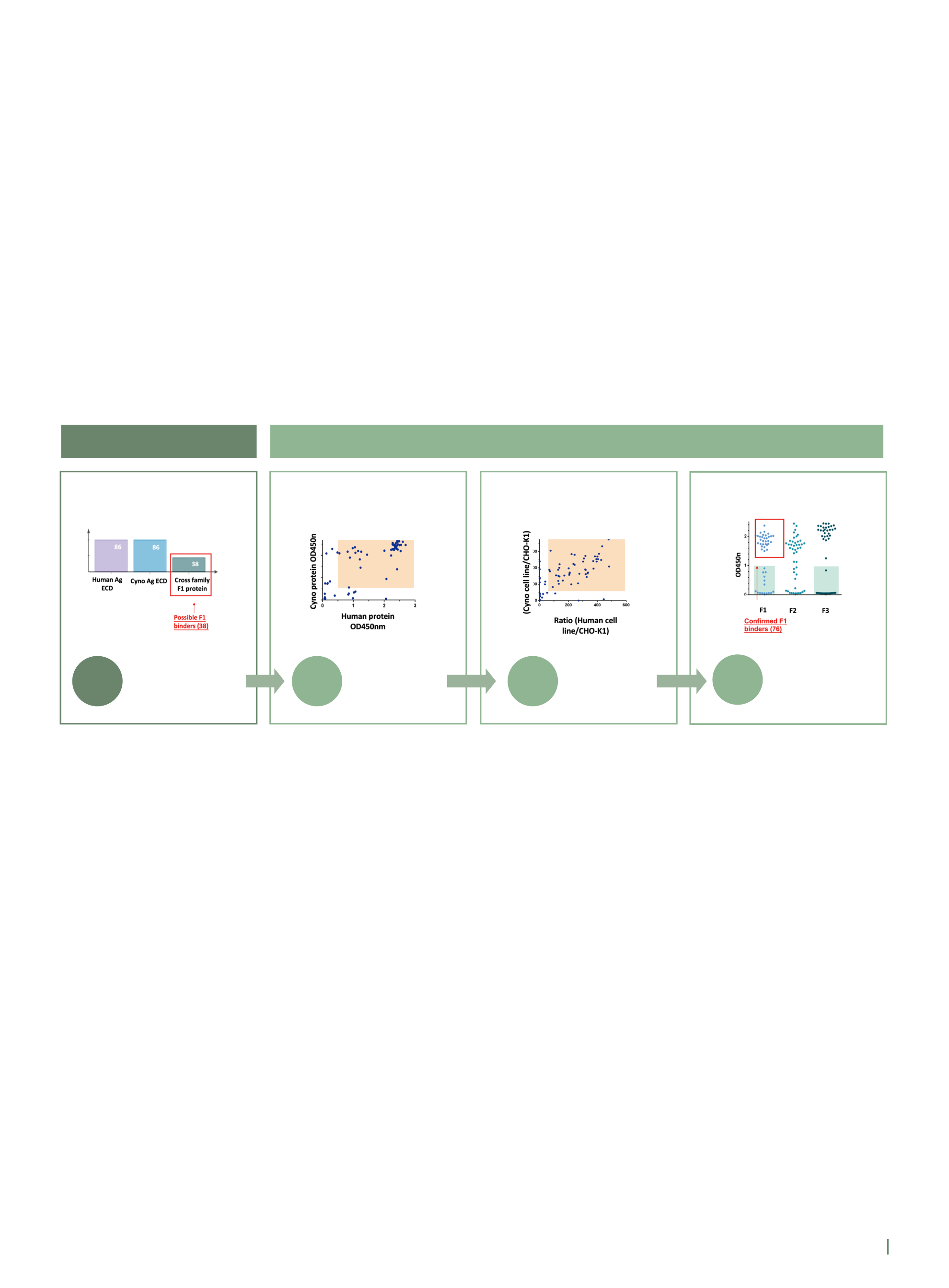
In this case study, 156 positive B cells were identified by Beacon on-chip screening with binding to human, cyno ECD
proteins and human antigen cell line, followed by ProSpeed™ linear expression (figure 9A).
Using this ProSpeed™ expression supernatant, 56 candidates were confirmed to be binders to human and cyno Ag
proteins by ELISA (figure 9B), and 46 candidates specific binder to human Ag cell line by FACS (figure 9C), among
which only 14 showed minimal cross binding to 3 undesired Ags (with high homology to the target Ag) in additional
counter-screen assays (figure 9D).
Improved Assay Sensitivity to Reduce False Negatives
Due to the usually higher concentration of Abs in ProSpeed™ expression supernatant, the sensitivity of assays using
such supernatant is usually improved with reduced false negative results (figure 10).
Beacon Screening
Screening Assays with Supernatants of ProSpeedTM Expression
Counter screening for cross-family
non-specific binding
Various in-chip binding assays
Species cross-reactivity by ELISA
Cell binding by FACS
(Human & cyno cell ratio>50)
86
43
0
Binders exported for
linear expression
Confirmed
ELISA binders
Confirmed
FACS binders
Desired binders w/o
cross-family binding
10
56
86
46
Figure 10D
Figure 10A
Figure 10B
Figure 10C
The initial on-chip Beacon screening identified 86 positive B cells binding to human and cyno antigen proteins, among
which only 38 hits shown undesirable binding to cross-famility Ag F1.
However, in the follow-up screening using supernatant of ProSpeedTM expression with improved assay sensitivity, 76
of them showed cross bind to family Ag F1, and only 10 hits were confirmed to be the desirable non-cross binders to
all three famility Ags F1, F2 and F3.
ProBioCDMO.com
8
Functional lead discovery via phage display platform
Unlike the hybridoma and single B cell approaches based on cultured mammalian cells, a phage display approach for
Ab discovery relies on a prokaryotic system. As a result, phage supernatant containing secreted Ab fragment is usually
contaminated with components that are harmful to the health of cultured mammalian, thus incompatible with most cell
based function assays. Additionally, the concentration of secreted Ab in a phage supernatant is usually too low for
many assay formats that require a minimal concentration of Abs. Therefore, it is usually very challenging to perform
functional screening using a phage supernatant.
However, customized panning schemes for a phage library can still be developed as a functional screening approach
to enrich antibodies with desired functional characteristics at early phase of lead discovery.
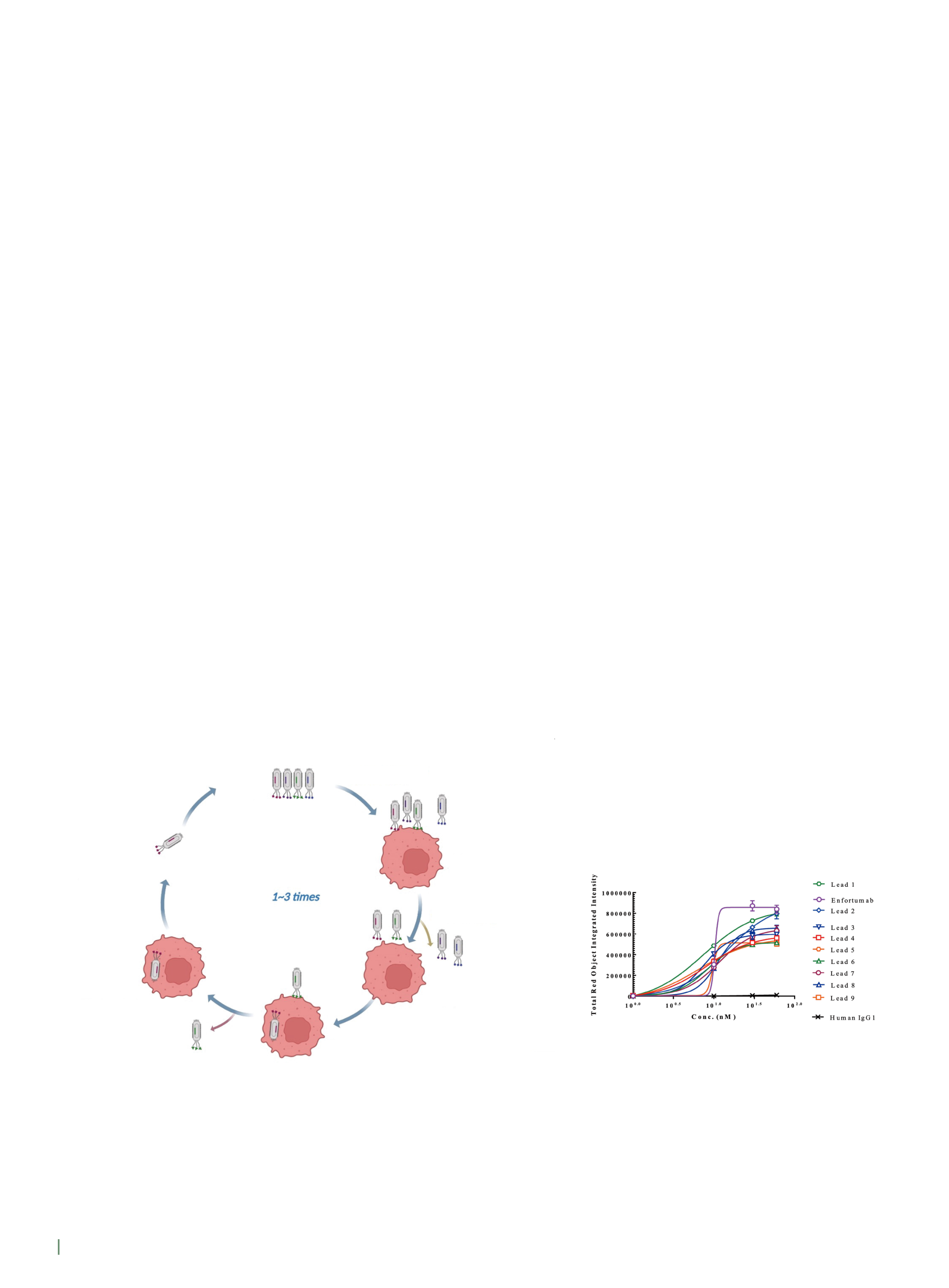
Customized panning scheme for a phage library to enrich antibodies capable of mediating internalization
In an ADC (antibody drug conjugate) drug, the cytotoxic payload is internalized together with the conjugated Ab upon
binding to its target, usually a Tumor-Associated Antigen (TAA), to kill the cancer cells. Therefore, the potency of the
targeting Ab in mediating internalization is a key determinants of a ADC drug, and the discovery of such a TAA Ab is
highly desirable
In order to improve the success rate in identifying antibody candidates capable of effectively mediating internalization,
a panning scheme is designed to enrich for antibodies with such features, as depicted in figure 11. Briefly, the initial
binding (step 2) and wash (step 3) is conducted at 4° C to prevent internalization. Then the culture is transferred to
37° C to allow the endocytosis of phage particles (step 4), but only for a very short period of time to avoid degradation
of phage in lysosome. After the wash of the remaining surface-bound phage (step 5), the internalized phage is
recovered from cell lysate (step 6). This cycle of panning can be repeated for several times to improve the
effectiveness of enrichment.
Low temperature bindung to
avoid internalization
Infection anf amplification
Internalization Assay on
① phage Display library *
CHO-K1/Nectin4 cell pool - 48 hrs
② library binding to
positive cell
⑥ Lysis to recover internalized
phage
wash at low tempeture to
remove unbound phage
③ Remove unbond phage and
prepare for internalization
➄ Elute Surface-bound phage
④ Incubation at 37°C to allow
internalization
surface-bound phage
Figure 12: Confirmation of effective internalization
mediated by purified Nectin4 Abs discovered via
Figure 11: Panning process to enrich for
antibodies with internalization capability
a panning scheme described herein
9 Discovery of Functional Antibody Leads at Early Stage of Lead Screening
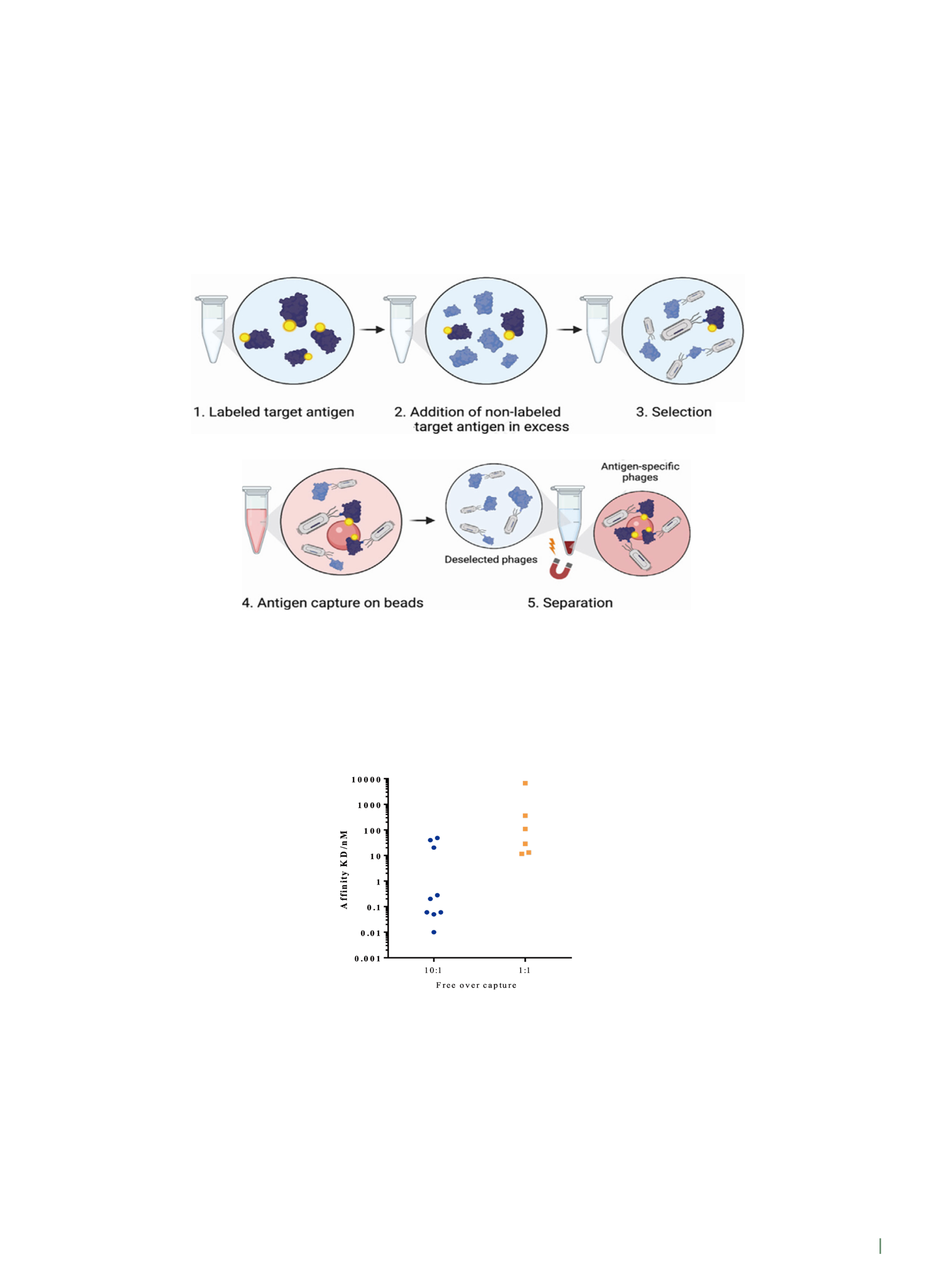
Customized panning scheme for a phage library to enrich antibody with higher affinity
For some targets/indications, higher affinity of an Ab lead is desired. To more effectively enrich such Ab leads with a
higher affinity, a customized panning scheme employing competition with an free target antigen can be used, as
described in figure 13.
Figure 13: A competition panning scheme to enrich for antibodies with higher affinity
Figure 14: Affinity distribution of purified Abs discovered using different stress of competition panning. A higher stress of
competition applied during library panning resulted in the identification of Ab leads with higher affinity
ProBioCDMO.com
10
In order to enrich for antibodies with higher affinity, competitive panning can be applied (figure 13). Briefly, the phage
library is incubated with biotinylated antigen captured to beads in the presence of excessive amount of
non-biotinylated, free antigen (step 2, 3). Thus, only Ab candidates with a higher affinity can resist the competition
with free antigen and remain bound to the captured antigen after extensive wash. By repeating such a competition
panning for multiple rounds, there is a good chance that binders with higher affinity will be enriched. As a result, Ab
leads identified under a higher stress condition (higher "free" vs "capture" ratio) showed a high affinity (figure 14).
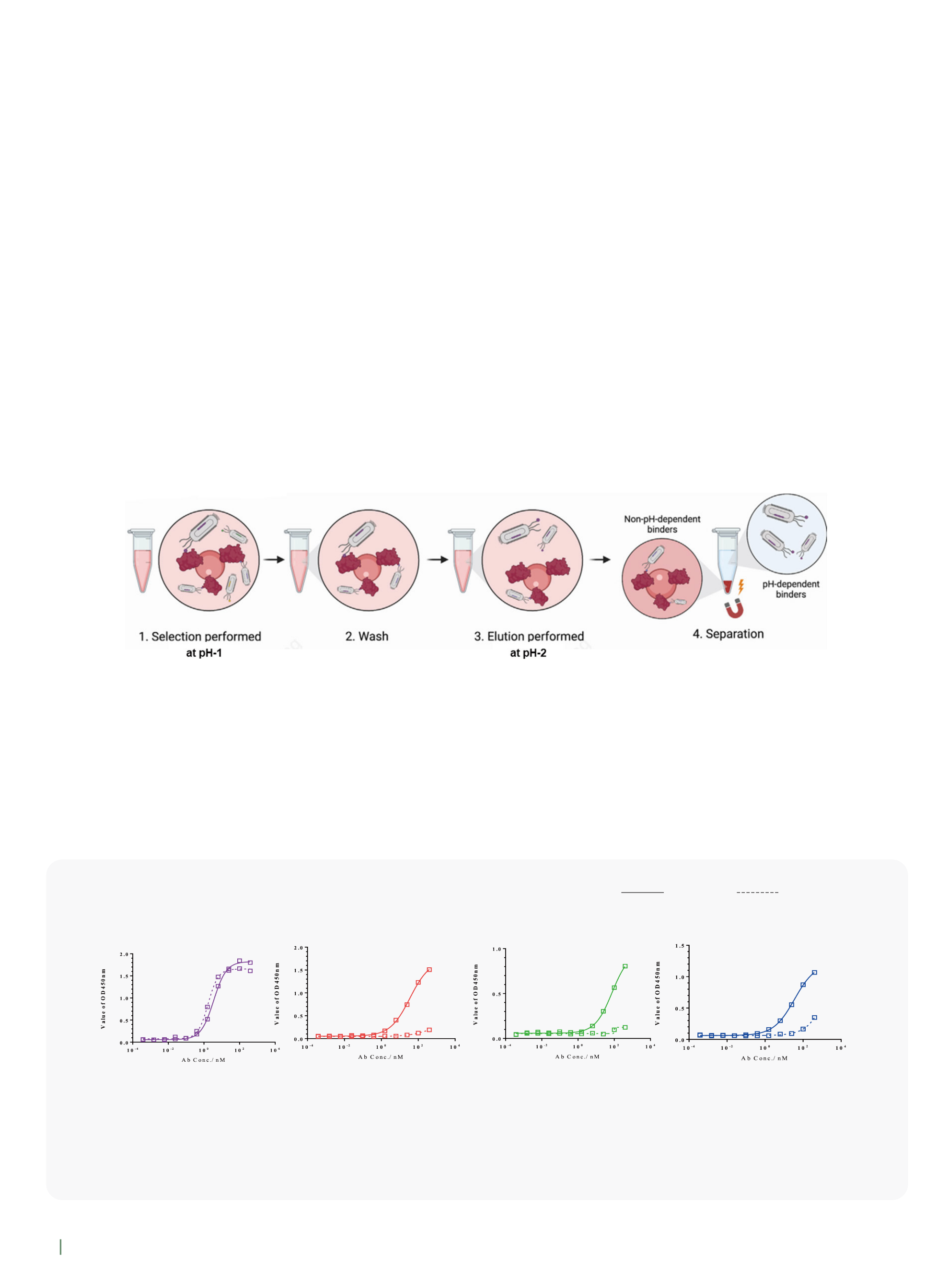
Customized panning scheme for a phage library to enrich pH selective antibodies
pH-selective antibody shows differential binding affinity to its target at different pH, namely it binds to the target with
strong/normal affinity at one pH, while the affinity is greatly reduced under another pH condition. Such a selectivity in
target binding at different pH may be a desirable feature under certain circumstances. For example, Abs with a low
affinity at neutral pH (7.4) may not bind to the target substantially in the peripheral (pH7.4) to avoid the antigen sink
effect and fast clearance, while in the acidic tumor micro environment, the same Ab with a high affinity at acidic pH
6.0 can strongly bind to the target and achieve an improved tumor selectivity .
Figure 15: Panning process to enrich for pH-selective antibodies
To obtain antibody with pH-selective binding, a customized panning scheme can be designed as depicted in figure
15. The initial binding (step 1) and wash (step 2) are carried out under certain pH-1, while the elution (step 3) is done
at different pH-2. After repeating this panning schedule for multiple rounds, pH dependent hits with higher affinity at
pH1 but low affinity at pH-2 can be enriched (step 4).
Binding Activity
pH 6.0
pH 7.4
Positive control
Lead 1
Lead 2
Lead 3
Figure 16: Differentiated affinity of pH-selective antibody
Following such a pH selective panning scheme, as shown in 16, three leads with selective binding at pH6.0 but
low/no binding at pH7.4 were identified, comparing with a reference Ab (Batocilmab) which shows no pH
selectivity.
11 Discovery of Functional Antibody Leads at Early Stage of Lead Screening
Customized panning scheme for a phage library to enrich antibody with desired epitope
The potency or functionality of a therapeutic Ab is determined by not only its affinity, but also the binding epitope, or
where it binds on a target protein. For instance, antagonist antibodies aimed to block the cell signaling mediated by
the interaction of a cytokine with its receptor, have to bind to the right place or epitope to completely block the
signaling.
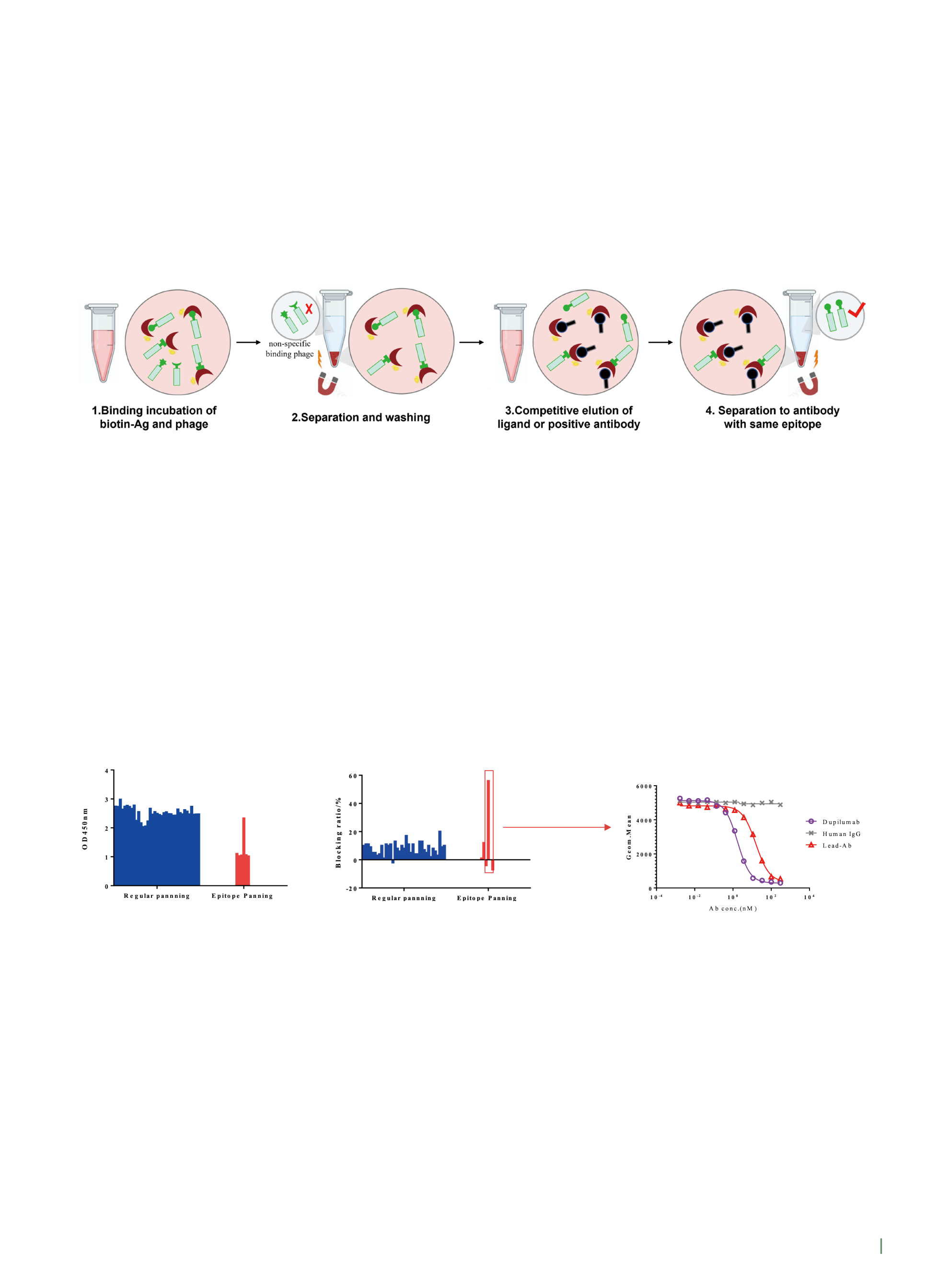
Figure 17: Panning process to enrich for antibodies with alternative epitope via epitope masking
In order to steer the direction of antibody enrichment towards desired epitope, masking antibody is co-incubated
with phage in the competitive panning process (figure 17). Those that bind to the same epitope will be retained in
suspension, while those bind to alternative epitope will be captured by antigen (step 2). These two fractions can easily
be separated via streptavidin conjugated magnetic bead coupled with biotinylated antigen.
Binding activity of unique
clone and human IL-4Ra
Ligand blockade ELISA
with soluble sup
Blockade of huIL4 binding with
IL-4Ra/CHO cell line by FACS
Figure 18A
Figure 18B
Figure 18C
Figure 18: Antibody affinity distribution under different competitive panning stress
In the case study of IL4Ra neutralizing antibody, both regular and epitope panning are applied as comparison. Regular
panning generates a wide range of candidates but none of them shows significant blockade against IL4Ra and IL4
interaction (figure 18A, B, blue bar). Alternatively, epitope panning leads to much narrowed diversity but the most
dominant one gives relatively stronger blocking capability (figure 18A, B, red bar). The top candidates is further
analyzed by dose-dependent competition assay against IL4 in flow cytometry assay, along with clinical benchmark
Dupilumab, both of which show robust inhibition of IL4Ra/IL4 interaction (figure 18C).
ProBioCDMO.com
12
The selection of a suitable partner to discover functional antibody leads
To improve the chance of discovering Ab leads with the desired functionality, suitable Ab lead generation platforms
compatible with function screening at early stage of discovery will be critical. Equally important, working with an
experienced partner capable of providing such a customized, functional screening based solution will greatly improve
the chance of success.
With 20 years of experience in biological drug discovery and development, ProBio is such an ideal partner for
therapeutic antibody discovery , thanks to its extensive expertise and integrated solutions tailored to client's project
needs.
Tailored Discovery Strategies for Functional Leads , Ensuring the Success Rate!
An Upgrade of Conventional Hybridoma Technology
•
•
PowerdomaTM vs Hybridoma: 1-1.5 month saved
Various functional screening feasible at very early stage of discovery:
Affinity ranking by KD ELISA, reporter gene assay, GPCR antagonist/agonist
assay, etc.
A Perfect combination of Beacon® and ProSpeedTM expression
•
Breaking-through the technical limitations of single B cell screening technology:
◦
◦
◦
Improved assay sensitivity
Compatibility with multiple rounds of various functional assays
Better cost-effectiveness
•
1 month to get confirmed functional antibody sequences
Various libraries for different Ab formats
•
•
Naïve/immunized library
Human naïve library
Various functional screening feasible at panning and screening process
13 Discovery of Functional Antibody Leads at Early Stage of Lead Screening
How to select a suitable partner to discover functional leads?
Highly Integrated Discovery Platforms for Faster Advancement to the Clinical Stage!
Ab lead Optimization from
Well-established pharmacology
platforms in house:
developability and functionality:
Ab humanization: Industry-leading timeline
Abundant Ready-to-Use assays & animal
in 2.5 weeks
models
Ab affinity maturation: Guarantee 10-fold
affinity improvement
Tailored full-service capability in cell lines,
disease models and method development
Ab developability: prediction, optimization,
and assessment in early stage
Excellence Proven by Impressive Track Record
20 years
1000+
EXPERTISE IN BIOLOGICS
GLOBAL PARTNERS
20
1000+
16
THERAPEUTIC ANTIBODY
LICENSING DEALS
1900+
PROJECT EXPERIENCE
1900+
16
17+
PROJECTS IN THE
CLINICAL PHASE
2+
PROJECTS MARKETED
2+
17+
ProBioCDMO.com
14
ProBio Inc.
Building 9, 311 Pennington Rocky Hill Rd,
Pennington, NJ
ProBioCDMO.com
+1-732-885-9188 (US)