
White Paper
How to Design and Evaluate Bispecific Antibodies(BsAbs)?

WHITE PAPER
How to Design and Evaluate
Bispecific Antibodies
(BsAbs)?
ProBioCDMO.com

Contents
�����������������
What is bsAb?
01
������������������
������������������
Discovery overview
Discovery process
01
01
How to develop bsAbs discovery strategies
����������������
based on structure?
02
��������������������
BsAbs structure
02
02
03
�������������
Considerations for bsAb design
�������������������
BsAbs screening
How to evaluate bsAbs comprehensively
�����������������
05
based on MOA?
�������������������
In vitro bioassay
05
14
�����������������
In vivo pharmacology
How to select a suitable partner for bsAb
��������������������
discovery?
16
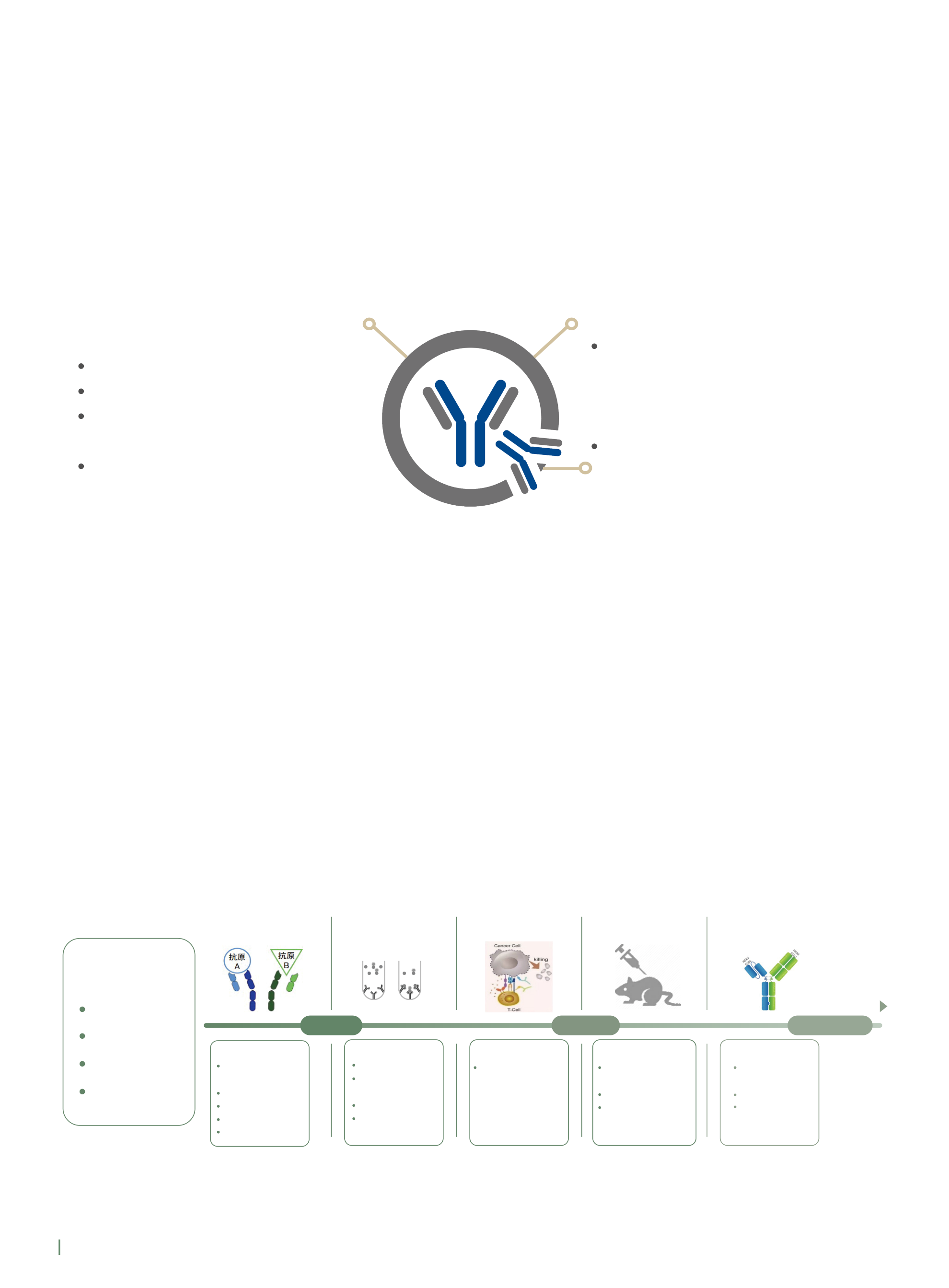
What is bsAbs?
Discovery Overview
Bispecific antibodies (bsAbs) are artificial antibodies containing two specific antigen binding sites. It has acquired
much attention as the next-generation strategy of antibody-target cancer immunotherapy due to its efficacy and
safety concerns over monoclonal antibodies (mAbs) based on their MOAs. The current clinical results have been
proven clinically effective and approved for applications in the treatment of malignancies.
Increasing safety index
Off-target binding rate decreased for
Improving therapeutic efficacy
Inducing T cell activation and killing
less side effects
Regulating receptor signaling pathways
Simultaneously targeting multiple inhibiting
Reducing manufacturing cost
receptors or immune checkpoints
Targeting multiple epitopes to improve the
neutralization
Only manufacturing one molecule with
reduction in manufacturing cost compared
with the combination of two molecules.
Figure 1: Advantages of BsAbs
Discovery Process
A bsAb is generally composed of two parental mAbs, the functionality and the developability of which need to consider
before constructing a bsAb molecule.
1. Building multiple bsAb candidates through gene synthesis and recombinant expression after obtaining desirable
mAb molecules.
2.BsAbs screening: Through binding and blocking screening against two targets, bsAb leads with satisfactory affinity
for both targets are obtained.
3.BsAbs validation: in vitro function assay and in vivo validation.
4. Early developability assessment to obtain the pre-clinical candidates (PCCs) of bsAbs for CMC.
The discovery period of bsAbs is approximately six months.
Design & construction
of bsAbs
Preliminary
screening of bsAbs
In vitro
bioassay
In vivo
pharmacology
Early developability
assessment
Screening of
mAbs
Stability
4 weeks
12 weeks
23-30 weeks
Affinity
Considerations:
Structure of
BsAbs
Function
Aggregation
Antibody affinity
Expression
quantity
bsAb MOA-based
in vitro functional
bioassay
In vivo
Temperature
stability
pH stability
Freeze-thaw
stability
pharmacodynamics
PK & ADA
Epitope
Stability
Potency
Linker
Target and MOA
Early toxicology
Purity
Figure 2: workflow of bsAbs discovery
1
How to Design and Evaluate Bispecific Antibodies (BsAbs)?
How to develop bsAbs discovery strategies based on structure?
BsAbs Structure
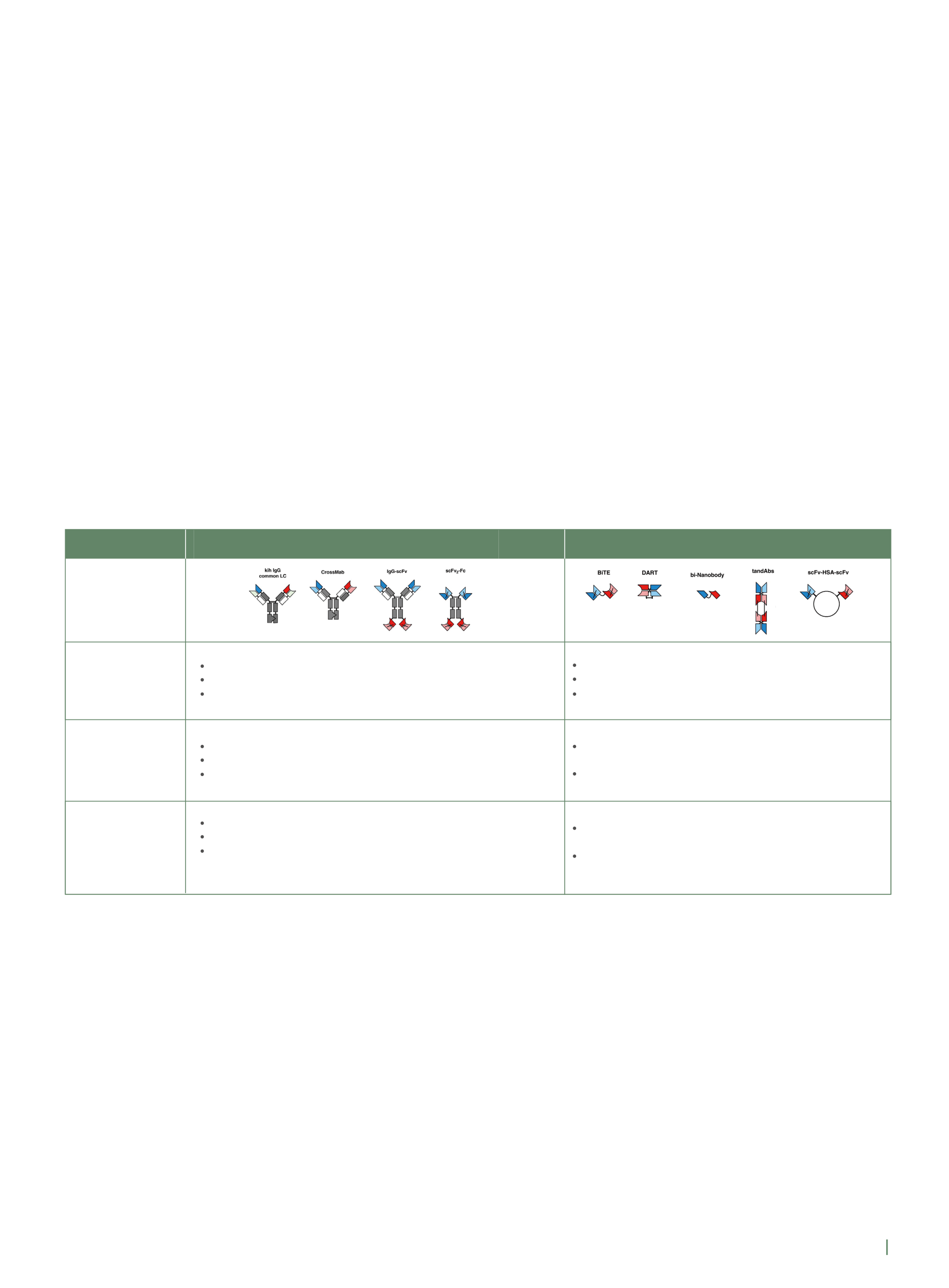
During the past six decades, the technology of bsAb development has evolved rapidly. Over 100 bsAbs structures and
approximately 40 distinctive bsAb platforms are available currently. The structure of bsAb is a critical factor in the
development of bsAb drugs, which impacts its functionality and developability. Due to one of the discriminating
features of the presence or absence of an Fc region, bsAbs can be classified into fragmented bsAbs with no Fc region
and full-length bsAbs with the Fc region. The full-length bsAbs can be further divided into bsAbs assembled as IgG
structures and bsAbs containing additional binding sites onto an existing IgG antibody. The different bispecific
antibodies have either a symmetric or an asymmetric architecture. The bsAb with asymmetric architecture exhibits
better flexibility regarding spatial structure. However, eliminating heterodimers through sequence engineering, or
protein A purification is problematic. Secondary purification, such as ion exchange or hydrophobic exchange, is often
required. The symmetric bsAbs solve the mis-paring of heavy and light, but the configuration may restrict the spatial
flexibility of the MOA.
Table 1: Classification of common bsAbs
Structure types
Full-length bsAbs with Fc fragments
Fragmented bsAb without Fc fragments
Structure
diagram
Containing several chains with a high molecular weight
Longer half-life
Generally a single chain with a low molecular weight
Shorter half-life
Molecular
characteristics
Flexibility with ADCC and CDC effect
No Fc effectors (e.g., ADCC/CDC)
Good stability
Easy to manufacture with less by-products and a
high yield
Good solubility
Advantages
Easy to purify with the presence of Fc fragments
No mispairing of heavy and heavy chains
Transfection ratio of multiple chains to be investigated
Generally low expression level due to asymmetric structures
Low yield due to being prone to aggregation, mispairing
and fragmentation
Without Fc fragments; need special purification
process and expression detection methods
Lyophilization process to be developed generally
due to poor stability and easy aggregation
Disadvantages
Considerations for BsAb Design
The choice of the bsAbs structure relies on the targets, MOA, and indications. The appropriate structure selection is
on the basis of the following considerations:
ProBioCDMO.com
2
Higher antibody affinity is not always better and should be considered in combination with the MOA.
The valency of bsAbs will affect their efficacy and safety. For example, a monovalent antibody is
generally selected for CD3 due to its toxicity. The potency of antibody targeting tumor-associated
antigen (TAA) should be determined according to its characteristics.
Affinity & potency
1
The length, flexibility, and amino acid composition of the linker used to connect two antibodies,
and the IgG hinge region is crucial for the efficacy of BsAbs.
Linker
2
3
4
5
The distance between the antibody epitope and the target cell, as well as two different antigens,
are the factors affecting the efficacy and safety of bsAbs.
Antigen epitope
Antibody size
It is difficult for antibodies with large sizes and long half-life to infiltrate solid tumors.
Antibodies with small sizes and short half-life can enter solid tumors through vascular exudation.
Fc has effector functions, it is necessary to remove Fc region to prevent excessive T-cell activation.
The IgG1/IgG4 hinge region facilitates the formation of synapses between T cells and target cells by
the bridging mechanism.
Fc region
The parent monoclonal antibody is required to have good functionality and developability.
Parental antibody
Patent
6
7
A cost-effective bsAb is designed according to the status of the existing mAbs.
Choosing an FTO bsAb structure is preferable.
Figure 3: considerations for bsAbs design
BsAbs Screening
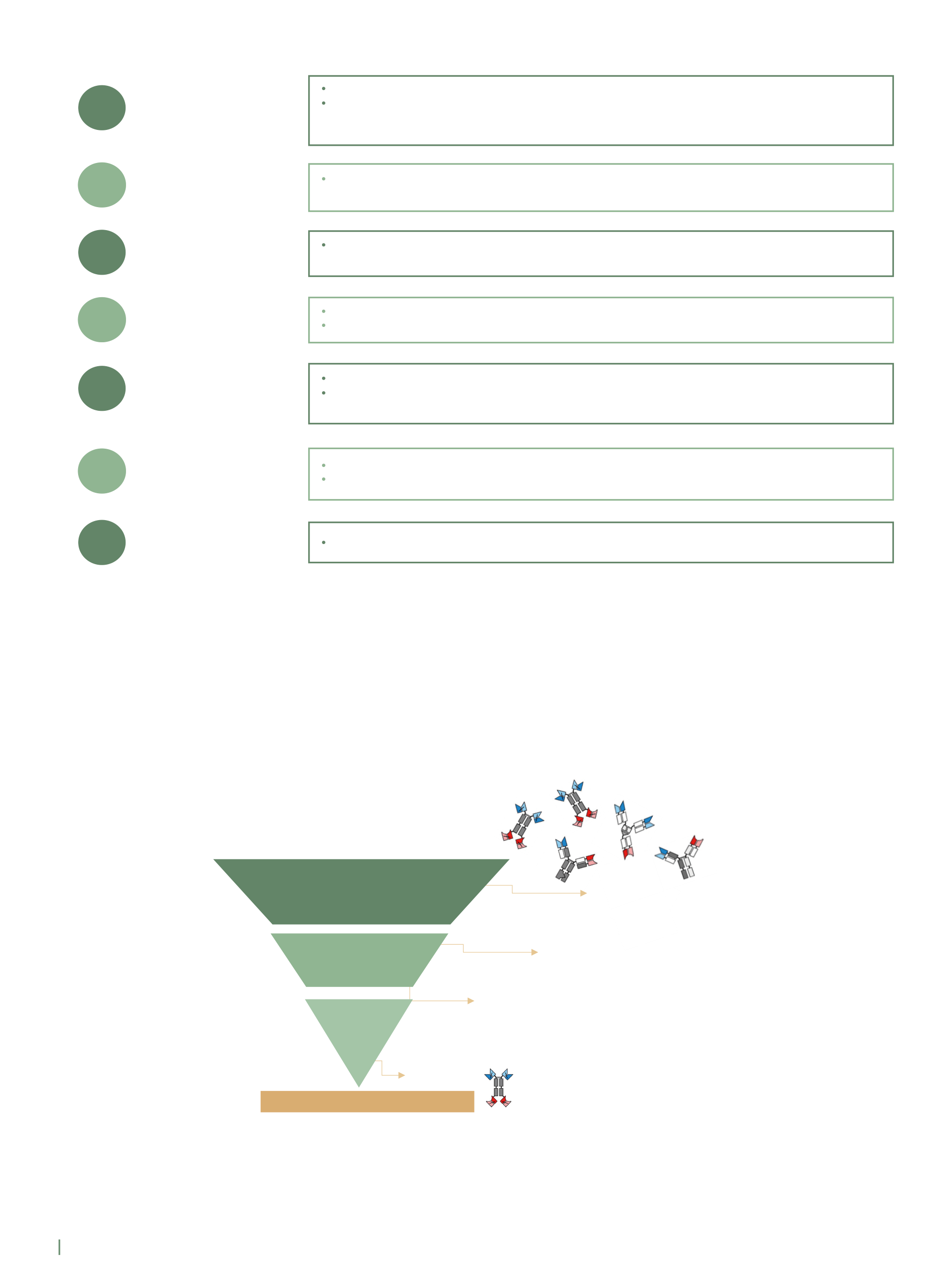
The efficacy of bsAb drugs is closely related to the targets, MOA, parental mAbs, and their structure. ProBio
recommends constructing at least two bsAb molecules for subsequent screening. PCC molecules are obtained for
CMC through 3 rounds of bsAb screening.
Design multiple bsAb structures based
on MOA and target
Based on Ab expression, one-step
purification yield, affinity with
antigen, dual targets binding ability
12-16 leads
Based on cell-based
assay
4-6 leads
2-3 leads
Based on in vivo
pharmacology
1 lead
Obtain bsAb PCC into CMC stage
Figure 4: Screening and evaluation process of bsAbs
3 How to Design and Evaluate Bispecific Antibodies (BsAbs)?

Tip: How to design T cell bridging bsAbs
CD3 plays a role in information transmission in the T cell receptor (TCR)-CD3 complex. T cells recognize antigen
peptides-major histocompatibility complex (MHC) molecular complex on tumor cells through TCR. The activation
signal is transmitted to T cells through CD3 to activate T cells and hereby kill tumor cells. Tumor cells can escape the
immune surveillance by down-regulation of MHC molecules. Anti-CD3×TAA bsAbs bridge T cells and tumor cells,
activate T cells by anti-CD3 antibody, and specifically kill tumor cells through high expression of TAA. At present,
bridging with T cells is one of the most important research directions of bsAbs.
A
Target to TAA arm
High target specificity to reduce the toxicity to non-targets
The choice of BsAb structures due to antigen expression abundance
and cell internalization efficiency
A
B
Antigen-binding epitopes close to cell membrane for synapse
formation (immunoscreening)
Ligand/soluble target competition
Target to CD3 arm
B
Affinity is crucial for efficacy and a prolonged therapeutic window
CRS ranges from 50 to 200 nM with less T-cell depletion and tumor/PK distribution
Tumor lysis syndrome is a dangerous signal
Antibody having cross-reactions with cyno antigen
C
C
Fc domain
Fc domain affects the spatial distance between the T cell and the target cell
Fc domain binds to FcRn elongating half-life and silencing FcγR, which affects the
developability, stability, and PK.
Figure 5: Considerations for design of
anti-CD3×TAA bsAb structure
Serious concerns about safety hazards from TCE protein aggregation
Dual-target CAR-T therapy:
CAR-T therapy has shown remarkable success in treating recurrent hematological malignancies but may be limited by
the disadvantages of antigen escape and tumor recurrence. To address this, an intensively invested strategy is to use
two hybrid CAR-T cells with different antigen binding specificities or a single CAR-T cell capable of targeting two
antigens, enabling recognition of more than one TAA by dual-target CAR-T therapy. Popular antigen combinations in
dual-target CAR-T therapy include CD19/CD20, CD19/CD22, and BCMA/CD38, while major CAR structures include
single-target hybrid CAR, bivalent tandem CAR, bivalent circular CAR, and bicistronic CAR. Dual-target CAR-T cell
therapy remains in the early stages of discovery, making it crucial to optimize the selection of CAR targets and
structures through pre-clinical and clinical data.
References:
1. Ma J, Mo Y, Tang M, Shen J, Qi Y, Zhao W, Huang Y, Xu Y and Qian C (2021) Bispecific Antibodies: From Research to Clinical Application. Front. Immunol. 12:626616. doi:
10.3389/fimmu.2021.626616
2. Wang Q, Chen Y, Park J, et al. Design and production of bispecific antibodies[J]. Antibodies, 2019, 8(3): 43.
3. Current Status and Perspectives of Dual-Targeting Chimeric Antigen Receptor T-Cell Therapy for the Treatment of Hematological Malignancies. Cancers (Basel).2022
Jul; 14(13): 3230.
4. Ulrich Brinkmann & Roland E. Kontermann (2017) The making of bispecific antibodies, mAbs, 9:2, 182-212, DOI: 10.1080/19420862.2016.1268307
ProBioCDMO.com
4
How to evaluate bsAbs comprehensively based on MOA?
“Nonclinical studies are generally needed to characterize the pharmacology
and toxicology of bispecific antibodies.”
-Bispecific Antibody Development Programs, FDA 2019
Previous studies suggested that bsAbs demonstrated a strong synergistic effect and offered a high efficacy and safety
compared to monoclonal antibodies that directed against a single target. ProBio offers in vitro bioassay and in vivo
pharmacology services to evaluate the efficacy and safety of bsAbs.
In vitro Bioassay
In vitro pharmacology evaluations provide early screening support and follow-up development of bsAbs. This works in
two aspects:
1) Determination of the relative potency of mAb leads - a prerequisite to confirm the suitability for a component of
bsAbs;
2)Functional analysis for bsAbs - a critical step to demonstrate the mechanism of action (MOA) of bsAbs and their
advantages over mAbs.
The MOAs for bsAbs are classified as cell bridging, dual-target blockade, immune cell activation, and in-cis protein
bridging (binding to the same cell). When evaluating bsAbs, the proposed MOA should be based on in vitro assay
designs. Due to the complexity of in vivo system, an optimal in vitro pharmacology study design utilizes multiple
MOA-based methods to comprehensively characterize the biological activity of bsAbs.
1.Cell bridging
Targets on Target Cell
(TAA/TSA)
Targets on Effector Cell
(CD3, CD16A, 4-1BB ect.)
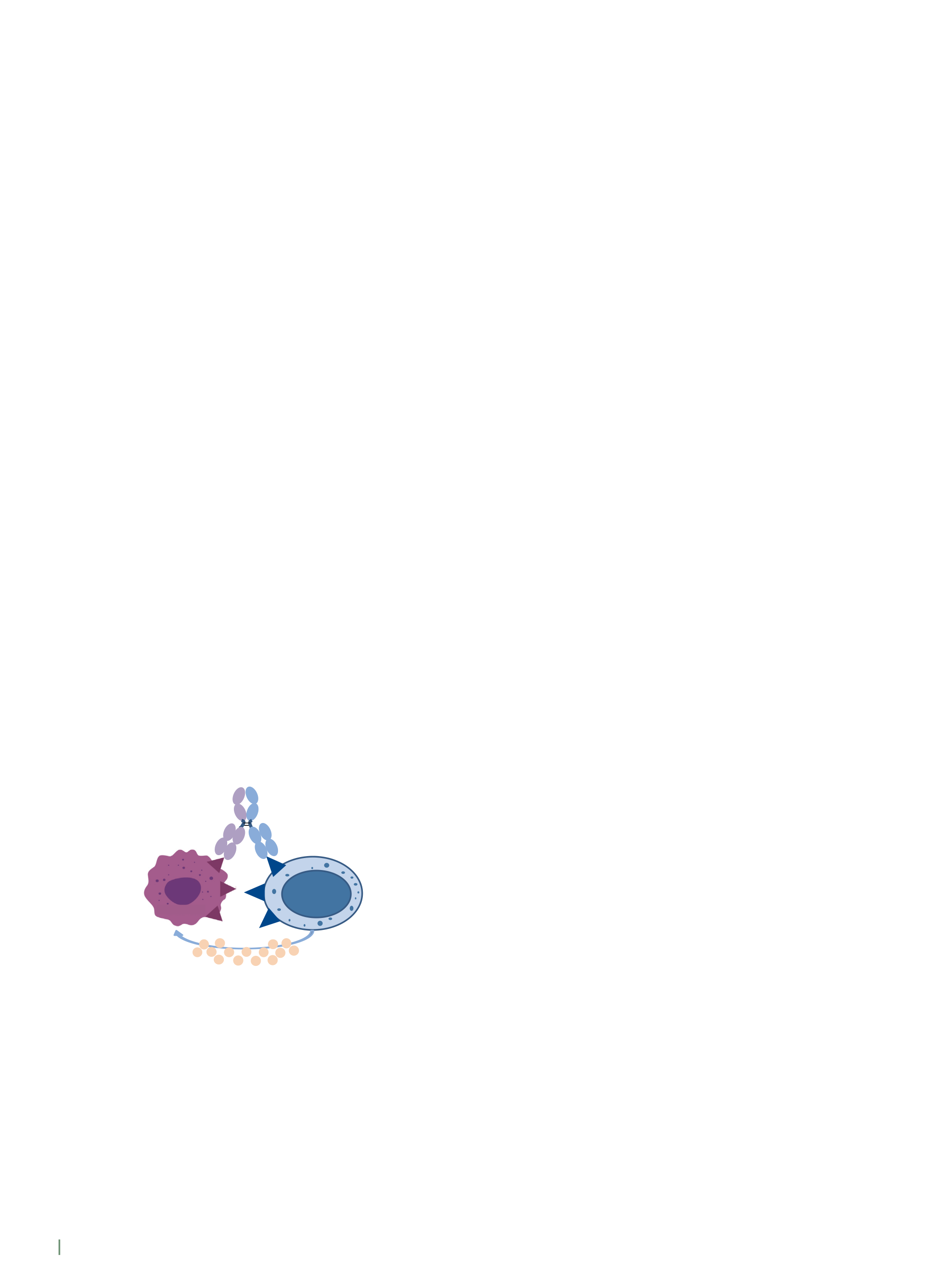
Cell bridging is a prevailing MOA for the bsAbs under
investigation. BsAbs bind to the antigens on both the
effector cells (immune cells, such as T cells, and NK cells)
and target cells (tumor cells), activating the effector cells
to kill the target cells.
Immune
cells
Tumor cells
Perforin/ granzymes
Figure 6: MOA of cell bridging
Monitoring the expression of a reporter gene in an engineered cell line that mimics T or NK effector cells is one way to
assess bsAb-mediated activation of in vitro cell bridging MOA. Additionally, isolated primary immune cells can be
utilized as effector cells to evaluate the potency of bsAbs by killing tumor cells, similar to in vivo systems. However, it
is importance to consider the bsAb-induced cytokine release for safety concerns, particularly for CD3-bsAbs, which
may lead to a cytokine release storm (CRS) due to excessive activation.
5 How to Design and Evaluate Bispecific Antibodies (BsAbs)?

Table 2: In vitro pharmacology methods for bsAbs adopting the MOA of cell bridging
Antibody
type
Target on
target cell
Effector
cell
Target on
In vitro functional assays
Target cell
effector cell
1. Primary immune cell assay (TDCC,
Cytokine release assay etc.)
2. Reporter gene assay
CD3
T cell bridging
NK cell activated
receptors (CD16A,
NKG2D, NKp46,
NKp30, etc.)
1. Primary immune cell assay (NK
cell-mediated tumor cell killing, etc.)
2. Reporter gene assay
NK cell bridging
Engineered cell
lines overex-
pressing
Primary cells
(T cells /NK
cells/macro-
phages /DC
cells, etc.)
TAA/TSA
TAA/TSA
1. Reporter gene assay
Anti-TAA x
stimulatory
immune
Stimulatory immune
checkpoints (CD40,
4-1BB, CD28, etc.)
2. Primary immune cell assay (immune
cell activation, tumor cell killing, mixed
lymphocyte reaction (MLR), etc.)
Tumor cell
lines
Reporter
gene cell
lines
checkpoint
Anti-TAA x
TAA/inhibitory
immune
NK cell activated
receptor CD16A and
macrophage
1.Reporter gene assay
2. Primary immune cell assay (ADCP,
etc.)
activated receptor
CD32A
checkpoint
•
•
Tumor-associated antigen (TAA)
Tumor-specific antigen (TSA)
Anti-CD3 x TAA bsAb
T-cell engagers (TCEs) are one of the bsAbs that can connect a T cell via CD3 with a tumor cell via TAA, forming a
TCR-independent artificial immune synapse and activating the cytotoxicity of T cells, thereby eliminating the tumor
cells. These bsAbs activate tumor-infiltrating T cells and are preferred for treating "hot tumors" and hematological
malignancies.
ProBioCDMO.com
6
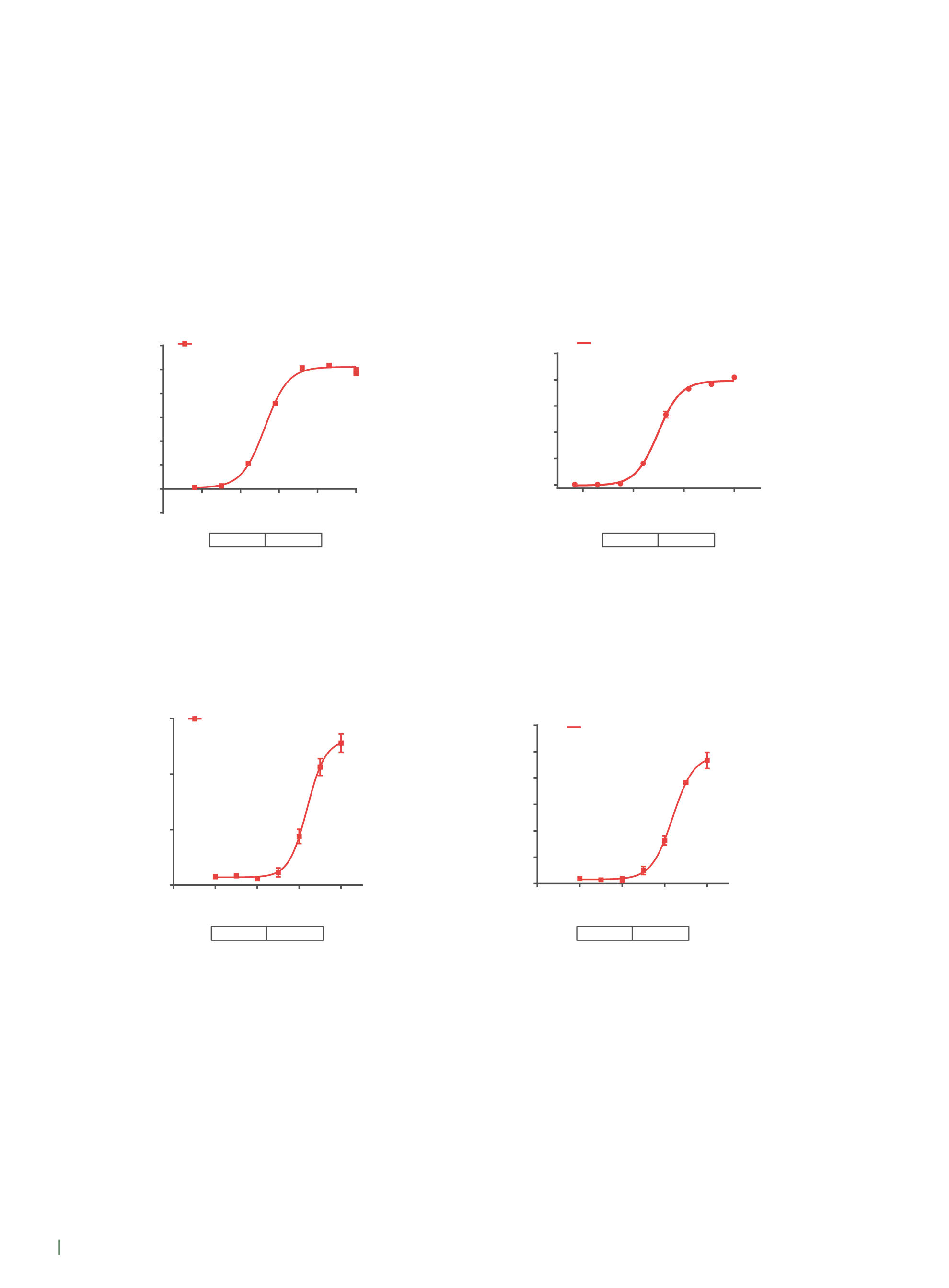
Case study
Aspects for in vitro evaluation of in-house made anti-CD3 × CD20 bsAb:
1. bsAb potency on T cell activation using proprietary reporter gene cell lines.
2. bsAb-mediated T-cell dependent cellular cytotoxicity (TDCC) against tumor cells using isolated primary CD8+ T cells.
3. Cytokine release (e.g., IFN-γ and TNF-α) upon bsAb-induced T cell activation.
TDCC assay
Reporter gene assay
Cytotoxicity Assay with CD8+T cell
Reporter-based T Cell Activation Assay
Anti-CD3 × CD20 BsAb
Anti-CD3 × CD20 BsAb
120
2500000
100
80
60
40
20
0
2000000
1500000
1000000
500000
0
10-6
10-4
10-2
100
10-4
10-3
10-2
10-1
100
-20
Conc.(μg/mL)
Conc.(μg/mL)
EC50 0.004316
EC50 0.0009478
Induction of the reporter gene through T cell activation
upon engagement of effector cells and target cells via
anti-CD3×CD20 bsAb.
Killing ability of primary CD8+ T cells against CD20+
tumor cells via anti-CD3×CD20 bsAb mediated TDCC effect.
Cytokine release assay
Total IFN-γ Release in Assay
Anti-CD3 × CD20 BsAb
Total TNF-α Release in Assay
6000
4000
2000
1200
1000
800
600
400
200
0
Anti-CD3 × CD20 BsAb
0
10-8
10-6
10-4
10-2
100
10-8
10-6
10-4
10-2
100
Conc.(μg/mL)
Conc.(μg/mL)
EC50 0.02390
EC50 0.02384
Release of IFN-γ and TNF-α from primary CD8+ T cells induced by anti-CD3×CD20 bsAb.
Figure 7: In vitro functional evaluations of anti-CD3xCD20 bsAb
7
How to Design and Evaluate Bispecific Antibodies (BsAbs)?
bsAb and NK cell bridging
NK cell
NK cell engagers are bsAbs that engage an NK cell via cytotoxic receptors (CD16A,
NKG2D, NKp46, NKp30) and a tumor cell via TAA. These engagers activate NK cell
and trigger the death of target tumor cells by releasing cytotoxic granules containing
granzymes and perforin, as well as secreting chemokines and cytokines, such as
IFN-γ. NK cell engagers show fewer adverse effects, such as cytokine release
syndrome (CRS) and neurotoxicity compared to TCEs.
CD16a
CD20/CD30
cell
Figure 8: NK cell bridging
Case study
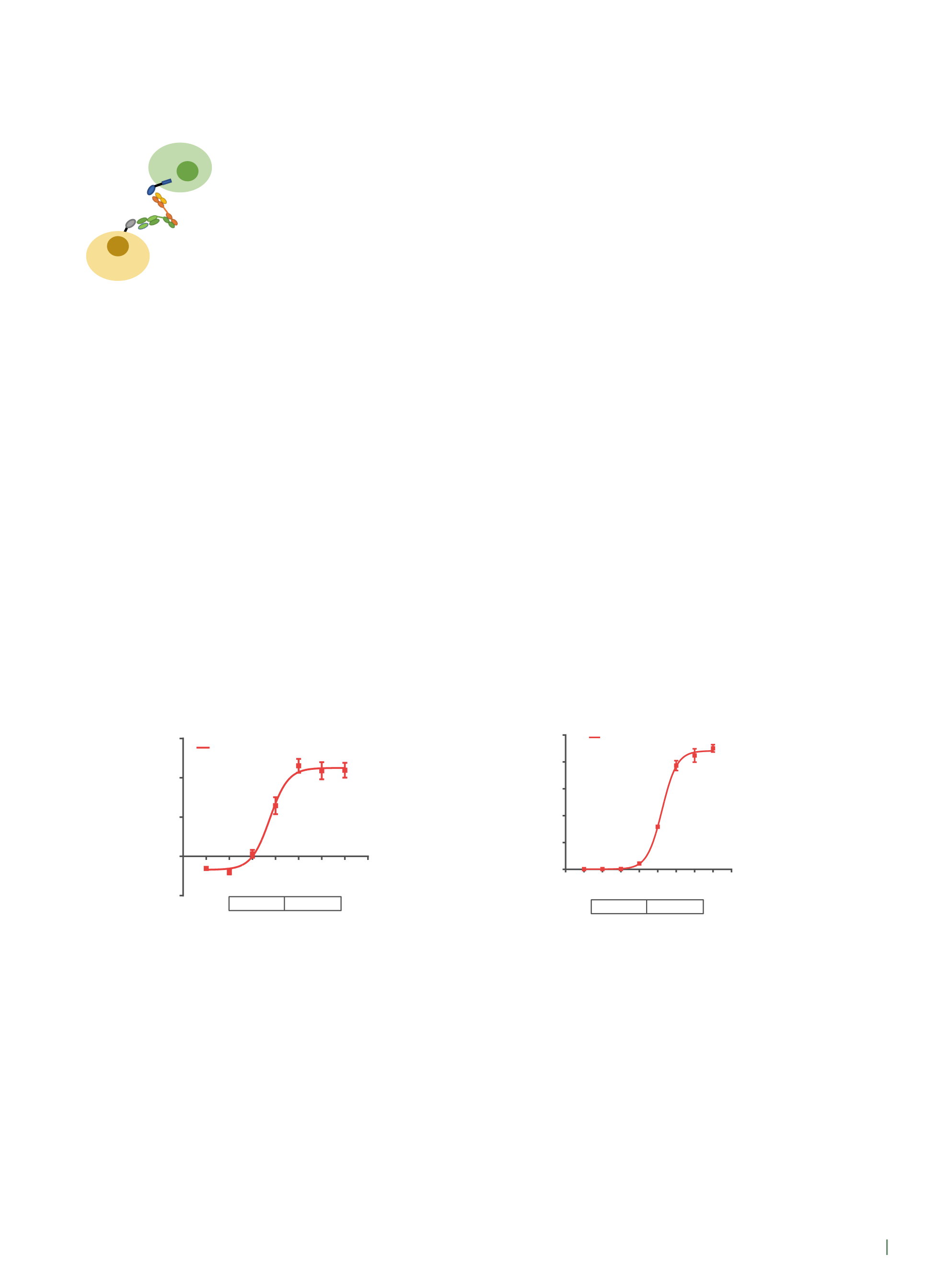
Aspects for in vitro evaluation of in-house made anti-CD16A×CD20 bsAb:
1. bsAb potency on NK cell activation using proprietary reporter gene cell lines.
2. bsAb-mediated cytotoxicity against tumor cells using isolated primary NK cells.
NK cell-mediated tumor cell killing assay
Reporter gene assay
Cytotoxicity Assay with Primary NK
Cell-based Reporter Assay for CD16A Activation
250000
Anti-CD16A x CD20 BsAb
60
Anti-CD16A x CD20 BsAb
200000
150000
100000
50000
40
20
0
10-6 10-5 10-4 10-3 10-2 10-1 100 101
0
10-7 10-6 10-5 10-4 10-3 10-2 10-1 100 101 102
Conc.(μg/mL)
Conc.(μg/mL)
0.01712
-20
EC50
0.0005642
EC50
Cytotoxicity of primary NK cells against CD20+
tumor cells via anti-CD3×CD20 bsAb.
Induction of the reporter gene through cell activation
upon engagement of effector cells and target cells via
anti-CD16A×CD20 bsAb.
Figure 9: In vitro functional evaluation of anti-CD16A×CD20 bsAb
ProBioCDMO.com
8
bsAb and NK cell bridging
NK cell
NK cell engagers are bsAbs that engage an NK cell via cytotoxic receptors (CD16A,
NKG2D, NKp46, NKp30) and a tumor cell via TAA. These engagers activate NK cell
and trigger the death of target tumor cells by releasing cytotoxic granules
containing granzymes and perforin, as well as secreting chemokines and
cytokines, such as IFN-γ. NK cell engagers show fewer adverse effects, such as
cytokine release syndrome (CRS) and neurotoxicity compared to TCEs.
CD16a
CD20/CD30
cell
Figure 8: NK cell bridging
Case study
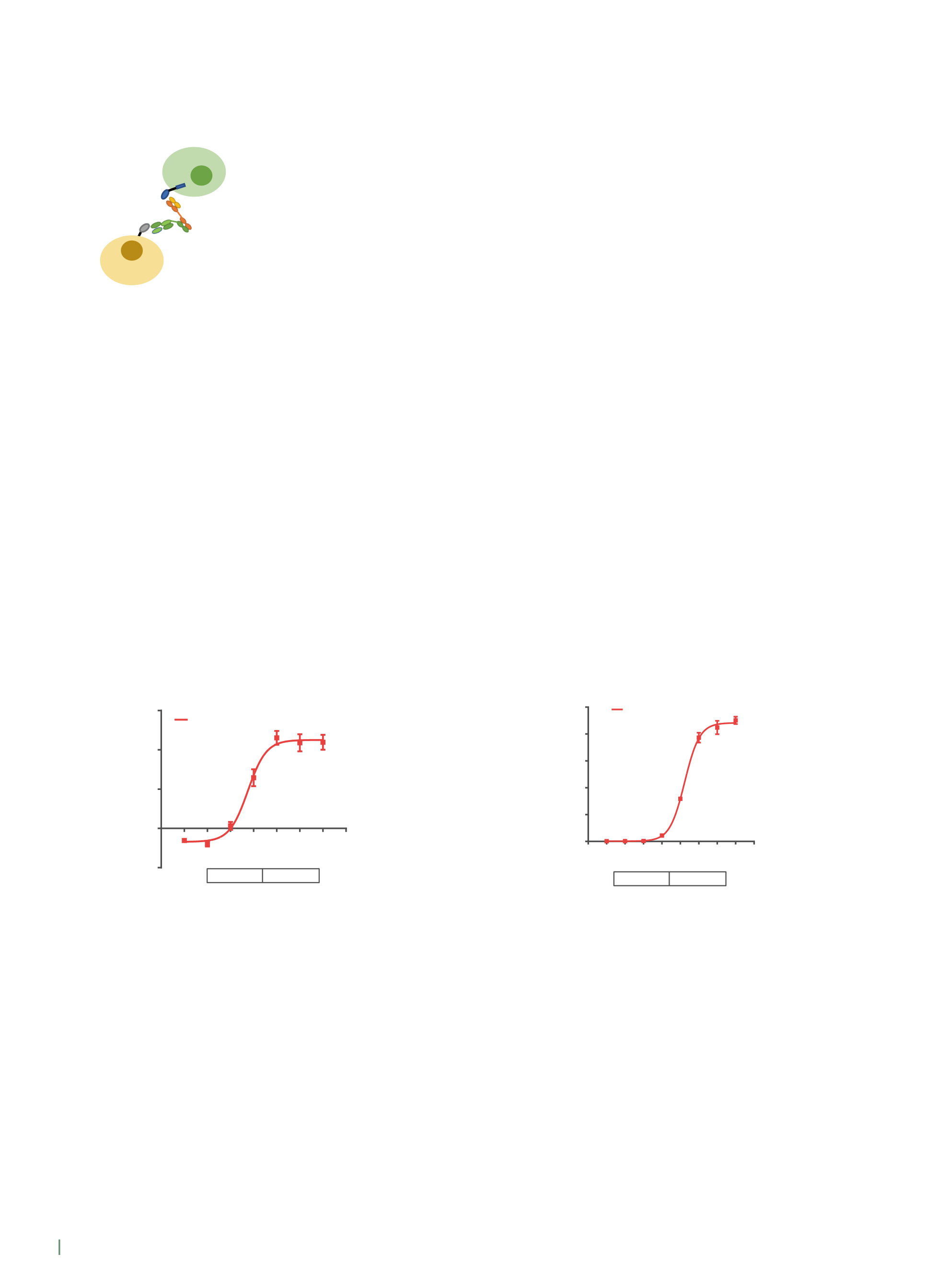
Aspects for in vitro evaluation of in-house made anti-CD16A×CD20 bsAb:
1. bsAb potency on NK cell activation using proprietary reporter gene cell lines.
2. bsAb-mediated cytotoxicity against tumor cells using isolated primary NK cells.
NK cell-mediated tumor cell killing assay
Reporter gene assay
Cytotoxicity Assay with Primary NK
Cell-based Reporter Assay for CD16A Activation
250000
Anti-CD16A x CD20 BsAb
60
Anti-CD16A x CD20 BsAb
200000
150000
100000
50000
40
20
0
10-6 10-5 10-4 10-3 10-2 10-1 100 101
0
10-7 10-6 10-5 10-4 10-3 10-2 10-1 100 101 102
Conc.(μg/mL)
Conc.(μg/mL)
0.01712
-20
EC50
0.0005642
EC50
Cytotoxicity of primary NK cells against CD20+
tumor cells via anti-CD3×CD20 bsAb.
Induction of the reporter gene through cell activation
upon engagement of effector cells and target cells via
anti-CD16A×CD20 bsAb.
Figure 9: In vitro functional evaluation of anti-CD16A×CD20 bsAb
9 How to Design and Evaluate Bispecific Antibodies (BsAbs)?
Anti-TAA×stimulatory immune checkpoint bsAb
Co-stimulatory immune checkpoints, such as 4-1BB and CD40, are members of the tumor necrosis factor receptor su-
perfamily (TNFRSF). Most of these receptors are expressed on the immune cells as T cells and DC cells and can be
activated through cross-linking. When a bsAb bridges an immune cell and a tumor cell with a high TAA expression, this
crosslinking mechanism limits the cytotoxic effect in the tumor microenvironment (TME). These bsAb additionally
have better efficacy and safety to spare normal tissues compared to monoclonal antibodies.
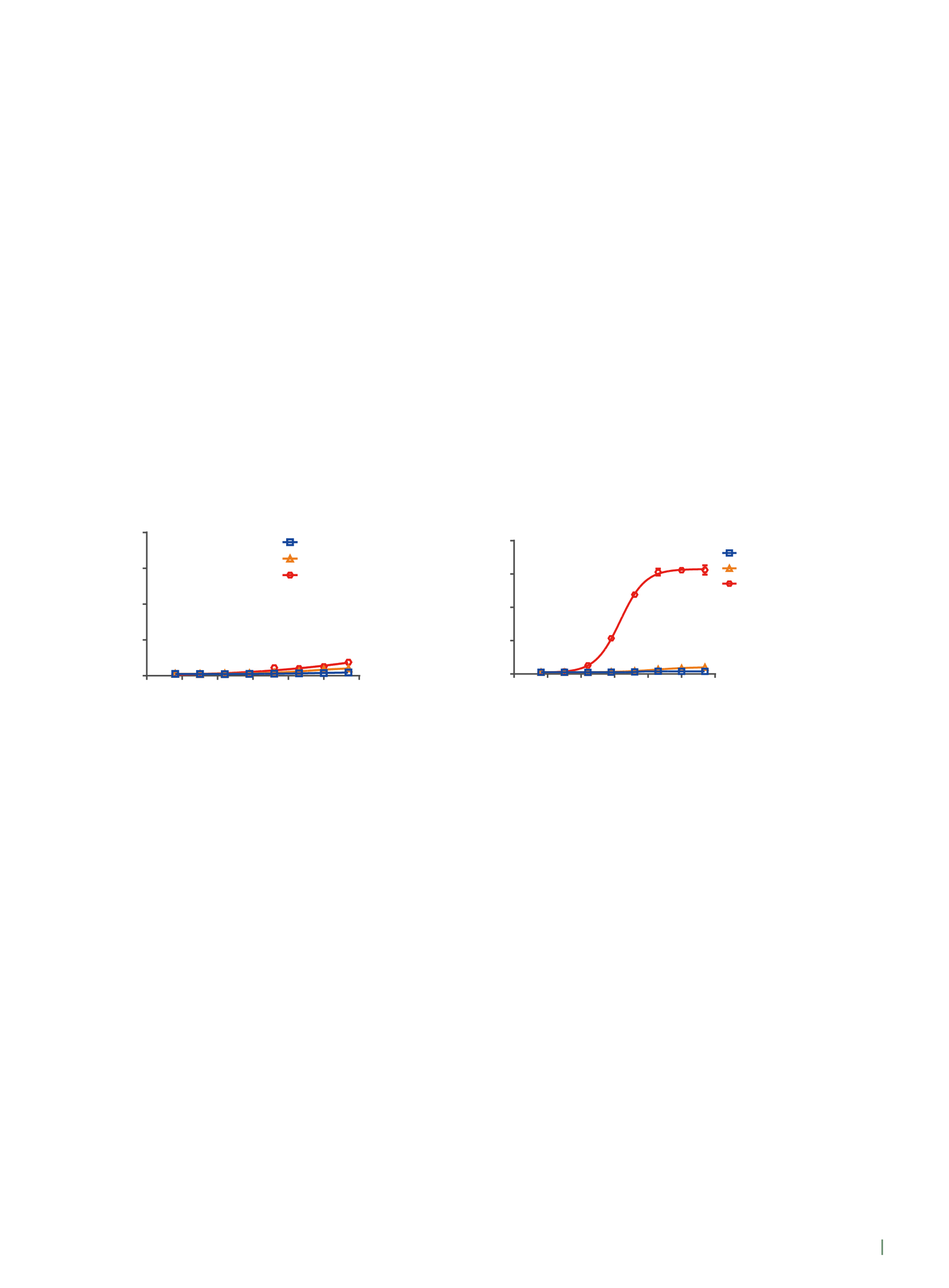
Case study
Aspects for in vitro evaluation of in-house made anti-4-1BB×PDL1 bsAb:
1. Potency measurement of the bsAb to activate T cells by 4-1BB reporter gene cell line.
2. Evaluation of clustering effect-dependent bsAb by 4-1BB reporter gene cell line cocultured with CHO-K1 or CHO-K1/PDL1 cells.
4-1BB Reporter Cell Assay with CHO-K1
4-1BB Reporter Cell Assay with CHO-K1/PDL1
800000
800000
Ant-TAA mAb
Anti-TAA mAb
Anti-4-1BB mAb
Anti-4-1BB × PDL1 BsAb
Ant-4-1BB mAb
Anti-4-1BB × PDL1 BsAb
600000
600000
400000
200000
0
400000
200000
0
10-4
10-3
10-2
10-1
100
101
102
10-4
10-3
10-2
10-1
100
101
102
Conc.(nM)
Conc.(nM)
Figure 10: In vitro functional evaluation of anti-4-1BB×PDL1 bsAb.
The results showed that anti-4-1BB×PDL1 bsAb significantly activated 4-1BB signaling pathway only in the presence of CHO-K1/P-
DL1 cells instead of CHO-K1 cells, indicating this bsAb induced activation is dependent on the clustering effect.
ProBioCDMO.com
10

2.Dual-target blockade
The dual-target blockade is a common targeting mechanism of
bsAbs used in the treatment of tumors and autoimmune
diseases. Tumor cells can develop drug resistance or undergo
immune escape by switching signaling pathways or activating
intracellular signals through homo- or heterodimerization
between family members or different members. Therefore,
bsAb drugs that target two signaling pathways simultaneously
help overcome drug resistance and improve therapeutic
efficacy.
Target 1:Different targets
(IL17A, cMet ect.)
or Different epitopes
on the same target
(Her2 ect.)
Target 2:Different targets
(TNFα, EGFR ect.)
or Different epitopes
on the same target
(Her2 ect.)
Cells
Figure 11: MOA of dual-target blockade
To understand the MOA of the dual-target blockade in bsAbs, a customized in vitro assay should be designed. For
example, a bsAb construct that targets the signaling pathways could be assessed using reporter gene assays, analysis
of downstream protein phosphorylation, cytokine/chemokine release assays, and/or cell proliferation assays. For bsAbs
targeting extracellular nucleotidases, such as CD39 and CD73, the effect on enzymatic activity could be an indicator
of their functions. Some bsAbs targets may act as a TAA and mediate intracellular signaling pathways. Therefore,
functional Fc domains are likely to be introduced in the design of bsAbs, and their functions can be evaluated by
ADCC, CDC, etc.
Table 3: In vitro pharmacology evaluation for bsAbs adopting the MOA of dual-target blockage
In vitro functional assays
Antibody type
Target combinations
Antibody blocking angiogenesis/
VEGF & ANG2, Her2 & Her2, EGFR &
c-Met, VEGF & DLL4, etc.
tumorigenesis
1.Signaling pathway assay
2.Reporter gene assay
3.Enzymatic activity assay
4.Cytokine/chemokine release assay
5.Antibody internalization assay
6.Cell proliferation assay
TGFβ & PDL1, TGFβ & CD73,
Antibody targeting TME
TGFβ & CD39, etc.
Antibody blocking inflammatory/
TNFα & IL17A, IL4 & IL13, BAFF &
autoimmune disease pathway
IL17A, etc.
7.Primary cell assay (ADCC, MLR, etc.)
Antibody blocking angiogenesis/
tumorigenesis & immune
checkpoint inhibitor
VEGF & PD1, EGFR & PD1,
Her2 & PD1, etc.
bsAb blocking angiogenesis/tumorigenesis
Angiogenesis is critical in tumor growth, progression, diffusion, and
metastasis. Inhibition of angiogenesis is a promising therapeutic strategy
for treating cancers. BsAbs can reinforce the anti-angiogenic effect by
simultaneously blocking angiogenic pathways, EGFR, VEGFR, c-Met, and
DLL4, Amivantamab, an EGFR&c-Met bispecific antibody used to treat
metastatic non-small cell lung cancer (NSCLC), binds to EGFR and
c-Met on the extracellular domain to inhibit ligand binding. It prevents
receptor phosphorylation, thereby blocking the activation of both EGFR-
and c-Met-mediated signaling pathways. By binding to each of the
receptors, amivantamab can promote receptor-antibody complex
endocytosis and degradation and induce Fc-dependent trogocytosis by
macrophages and ADCC and ADCP effects by natural killer cells.
NK cells
②Direct inhibition of
tumor growth mediated
by ADCC and ADCP
EGFR
Exon20ins
MET
EGFR
Exon20ins
①Blockade of EGFR and MET
downstream signaling pathway by
internalization of EGFR and MET
NSCLC with EGFR Exon20ins
Osimertinib
Gefitinib
Figure 12: MOA of amivantamab
11 How to Design and Evaluate Bispecific Antibodies (BsAbs)?
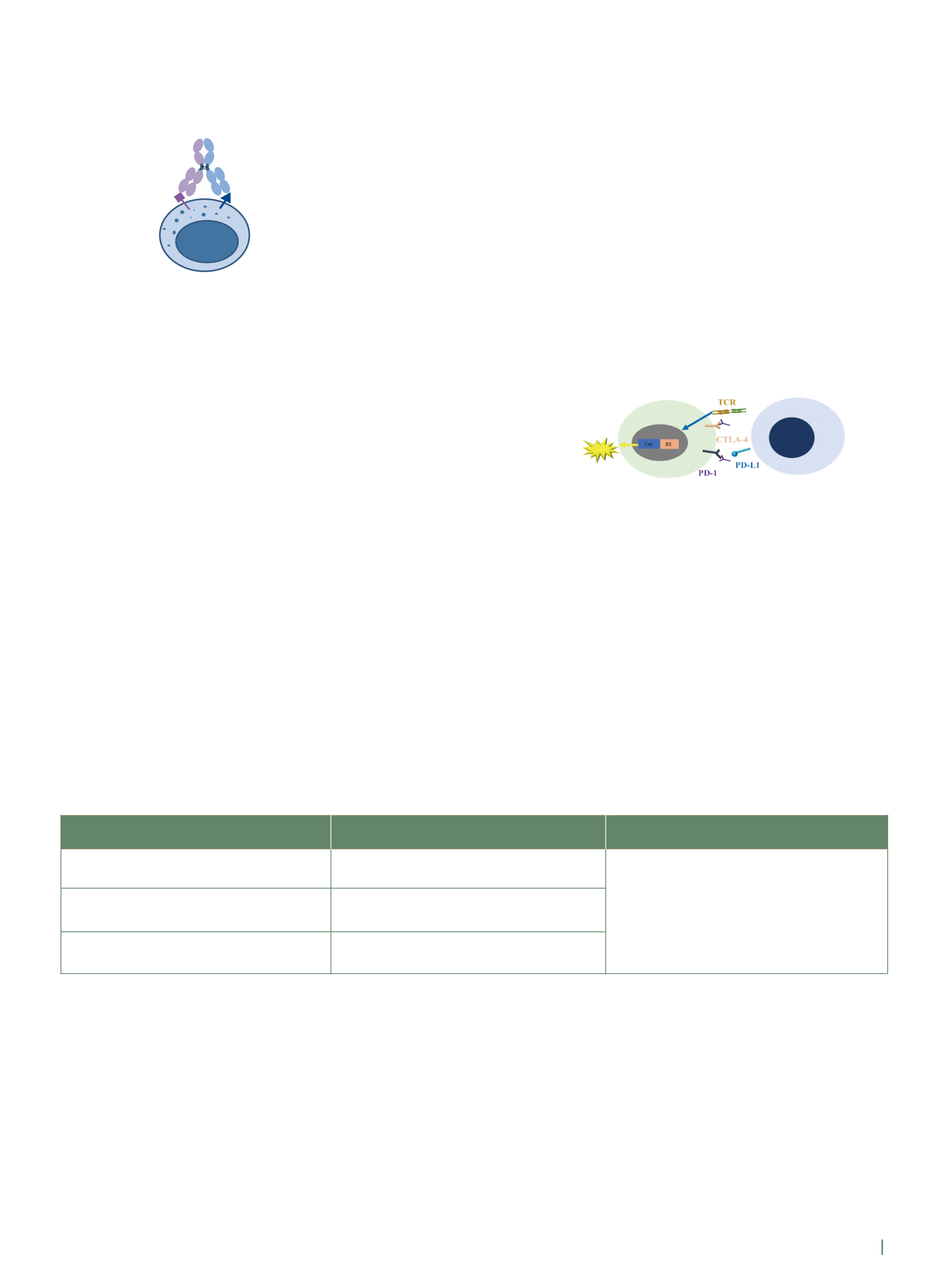
3.Immune cell activation
Monoclonal antibodies such as PD1 have made a breakthrough in
the development of immunotherapy. However, the objective
response rate (ORR) of patients treated with anti-immune
checkpoint mAbs still needs improvement. Therefore, bsAbs, with
their synergistic effect of targeting dual targets on immune cells,
have become a promising option to enhance immune cell
activation. These bsAbs can be further categorized into immune
checkpoint inhibitor + immune checkpoint inhibitor, immune
checkpoint inhibitor + immune checkpoint agonist, and immune
checkpoint agonist + immune checkpoint agonist.
Target 1: co-inhibitory
immune checkpoint
(PD1, PVRIG etc.)
or co-stimulatory
Target 2: co-inhibitory
immune checkpoint
(TIGIT,CTLA4 etc.)
or co-stimulatory
immune checkpoint
(GIR, CD40 etc.)
immune checkpoint
(4-1BB, OX40 etc.)
Immune cells
Figure 13: schematic diagram of the
MOA of immune cell activation
One challenge in manufacturing bsAbs is the production of
incomplete or mispaired bsAbs. To identify the properly paired
bsAbs, the use of dual-target reporter gene cell lines is an optimal
choice. The cell lines can accurately assess the bioactivity of
bsAbs in one test. The cost-effectiveness of dual-target reporter
gene cell lines is another advantage compared to using the
combination of single-target reporter gene cell lines.
GS-J4B/CTLA4/PD-1 E ffector Cell
GS-C3/PD-L1 Cell
Figure 14: Advantages of dual-target
reporter gene cell lines.
The measurements:
- Single-target and/or dual-target reporter gene cell lines can be applied to evaluate the activity of the immune cells
mediated by bsAbs.
- The primary cell assay can be conducted to measure further the bsAbs immune potency to activate immune cells.
Table 4: In vitro pharmacology evaluations for bsAbs adopting the MOA of immune cell activation
Antibody type
Target combinations
In vitro functional assays
Immune checkpoint inhibitor
& immune checkpoint inhibitor
PD-1 & TIGIT, PD-1 & CTLA4, etc.
1. Reporter gene assay
Immune checkpoint inhibitor
& immune checkpoint agonist
2. Primary immune cell assay
(immune cell activation, MLR, etc.)
PD-1 & 4-1BB, PD-1 & OX40, etc.
4-1BB & CD40, 4-1BB & OX40, etc.
Immune checkpoint agonist
& immune checkpoint agonist
ProBioCDMO.com
12
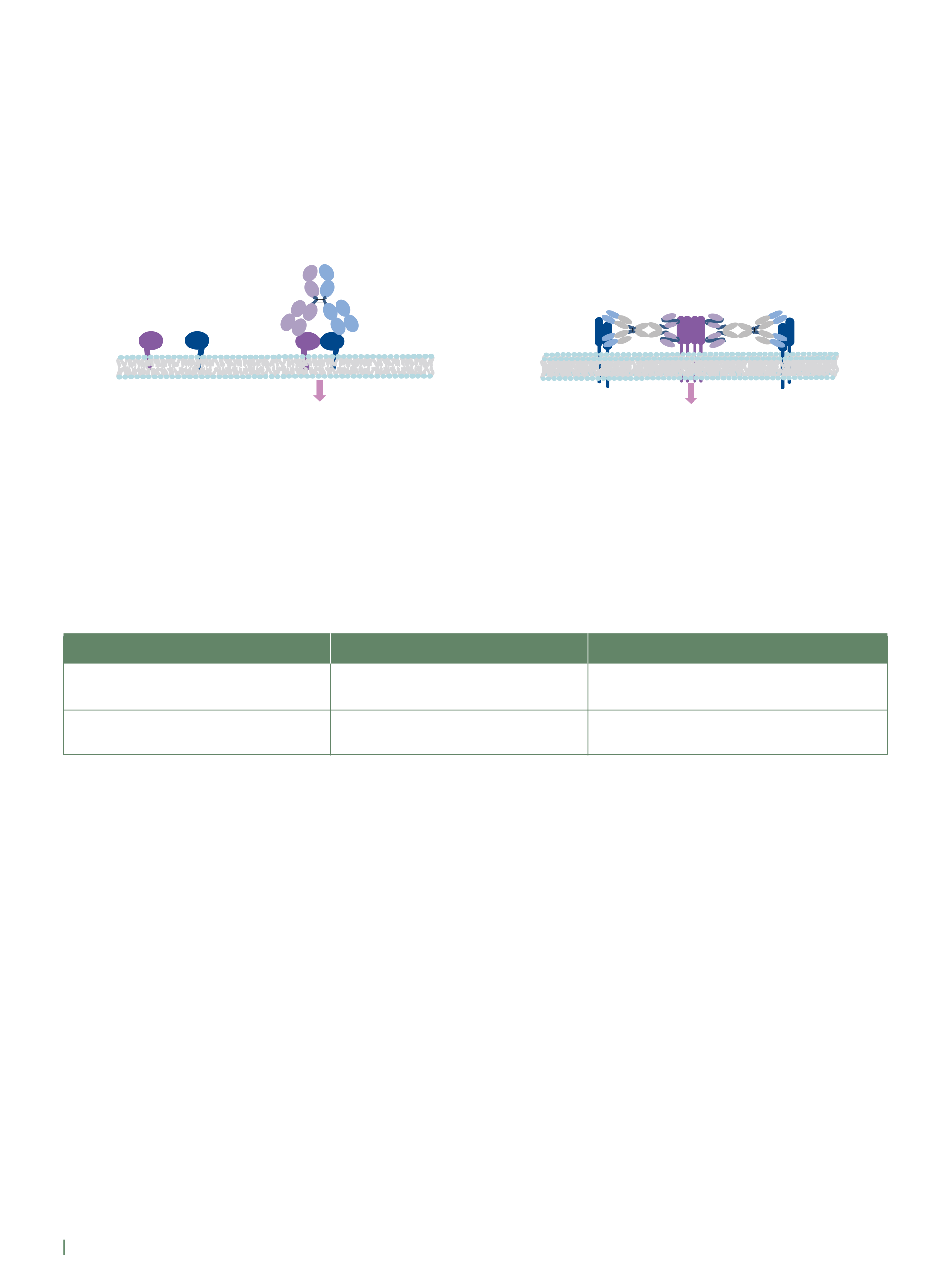
4.bsAb activation by in-cis binding
BsAb can bind to the antigens expressed in cis, which can activate downstream signaling pathways by forming protein
complexes. For instance, Emicizumab, a bsAb approved for marketing to treat hemophilia, simulates coagulation factor
VIII by binding to both the activated coagulation factor IX and factor X, mediating the activation of the latter. This
process enables blood coagulation to continue, reducing the bleeding rate of hemophilia patients. Some bsAbs can
also recognize the TAA/TSA on tumor cells and bind to pro-apoptotic receptors in cis, inducing tumor cell apoptosis.
TRAILR2
Factor X
Factor IXa
TAA/TSA
TAA/TSA
Activation of coagulation cascade
Activation of apoptosis pathway
Figure 15: bsAb activation by in-cis binding.
The activity of bsAbs targeting coagulation factors can be evaluated by the coagulation time (left panel). The activity
of bsAbs targeting TAA/TSA and pro-apoptotic receptors can be evaluated via apoptosis induction upon engagement
(right panel).
Table 5: In vitro pharmacology evaluations for bsAb activation by in-cis binding
Antibody type
Target combinations
In vitro functional assays
Antibody mediated apoptosis
DR5 & TAA, etc.
Cell viability assay, etc.
Antibody mediated coagulation
Coagulation factor IXa & X, etc.
Coagulation time measurement, etc.
References:
1. Tian Z, Liu M, Zhang Y, Wang X. Bispecific T cell engagers: an emerging therapy for management of hematologic malignancies. J Hematol Oncol. 2021 May 3;14(1):75. doi:
10.1186/s13045-021-01084-4. PMID: 33941237; PMCID: PMC8091790.
2. Demaria O, Gauthier L, Debroas G, Vivier E. Natural killer cell engagers in cancer immunotherapy: Next generation of immuno-oncology treatments. Eur J Immunol. 2021
Aug;51(8):1934-1942. doi: 10.1002/eji.202048953. Epub 2021 Jun 18. PMID: 34145579.
3. Jeong S, Park E, Kim HD, Sung E, Kim H, Jeon J, Kim Y, Jung UJ, Son YG, Hong Y, Lee H, Lee S, Lim Y, Won J, Jeon M, Hwang S, Fang L, Jiang W, Wang Z, Shin EC, Park SH,
Jung J. Novel anti-4-1BB×PD-L1 bispecific antibody augments anti-tumor immunity through tumor-directed T-cell activation and checkpoint blockade. J Immunother
Cancer. 2021 Jul;9(7):e002428. doi: 10.1136/jitc-2021-002428. PMID: 34230109; PMCID: PMC8261887.
4. Chester C, Sanmamed M F, Wang J, et al. Immunotherapy targeting 4-1BB: mechanistic rationale, clinical results, and future strategies[J]. Blood, The Journal of the
American Society of Hematology, 2018, 131(1): 49-57.
5. Roland Kontermann (2012) Dual targeting strategies with bispecific antibodies, mAbs, 4:2, 182-197, DOI: 10.4161/mabs.4.2.19000
6. Mohammadi M, Jeddi-Tehrani M, Golsaz-Shirazi F, Arjmand M, Bahadori T, Judaki MA, Shiravi F, Zare HA, Haghighat FN, Mobini M, Amiri MM and Shokri F (2021) A Novel
Anti-HER2 Bispecific Antibody With Potent Tumor Inhibitory Effects In Vitro and In Vivo. Front. Immunol. 11:600883. doi: 10.3389/fimmu.2020.600883
7. Burton EM, Tawbi HA. Bispecific Antibodies to PD-1 and CTLA4: Doubling Down on T Cells to Decouple Efficacy from Toxicity. Cancer Discov. 2021 May;11(5):1008-1010.
doi: 10.1158/2159-8290.CD-21-0257. PMID: 33947716.
8. Ma L, Gai J, Qiao P, Li Y, Li X, Zhu M, Li G, Wan Y. A novel bispecific nanobody with PD-L1/TIGIT dual immune checkpoint blockade. Biochem Biophys Res Commun. 2020
Oct 15;531(2):144-151. doi: 10.1016/j.bbrc.2020.07.072. Epub 2020 Aug 8. PMID: 32782142.
9. Park K, John T, Kim S W, et al. Amivantamab (JNJ-61186372), an anti-EGFR-MET bispecific antibody, in patients with EGFR exon 20 insertion (exon20ins)-mutated
non-small cell lung cancer (NSCLC)[J]. 2020.
10. Kitazawa T, Esaki K, Tachibana T, Ishii S, Soeda T, Muto A, Kawabe Y, Igawa T, Tsunoda H, Nogami K, Shima M, Hattori K. Factor VIIIa-mimetic cofactor activity of a
bispecific antibody to factors IX/IXa and X/Xa, emicizumab, depends on its ability to bridge the antigens. Thromb Haemost. 2017 Jun 28;117(7):1348-1357. doi:
10.1160/TH17-01-0030. Epub 2017 Apr 28. PMID: 28451690; PMCID: PMC6292136.
11. García-Martínez JM, Wang S, Weishaeupl C, Wernitznig A, Chetta P, Pinto C, Ho J, Dutcher D, Gorman PN, Kroe-Barrett R, Rinnenthal J, Giragossian C, Impagnatiello MA,
Tirapu I, Hilberg F, Kraut N, Pearson M, Kuenkele KP. Selective Tumor Cell Apoptosis and Tumor Regression in CDH17-Positive Colorectal Cancer Models using BI 905711, a
Novel Liver-Sparing TRAILR2 Agonist. Mol Cancer Ther. 2021 Jan;20(1):96-108. doi: 10.1158/1535-7163.MCT-20-0253. Epub 2020 Oct 9. PMID: 33037135.
13 How to Design and Evaluate Bispecific Antibodies (BsAbs)?
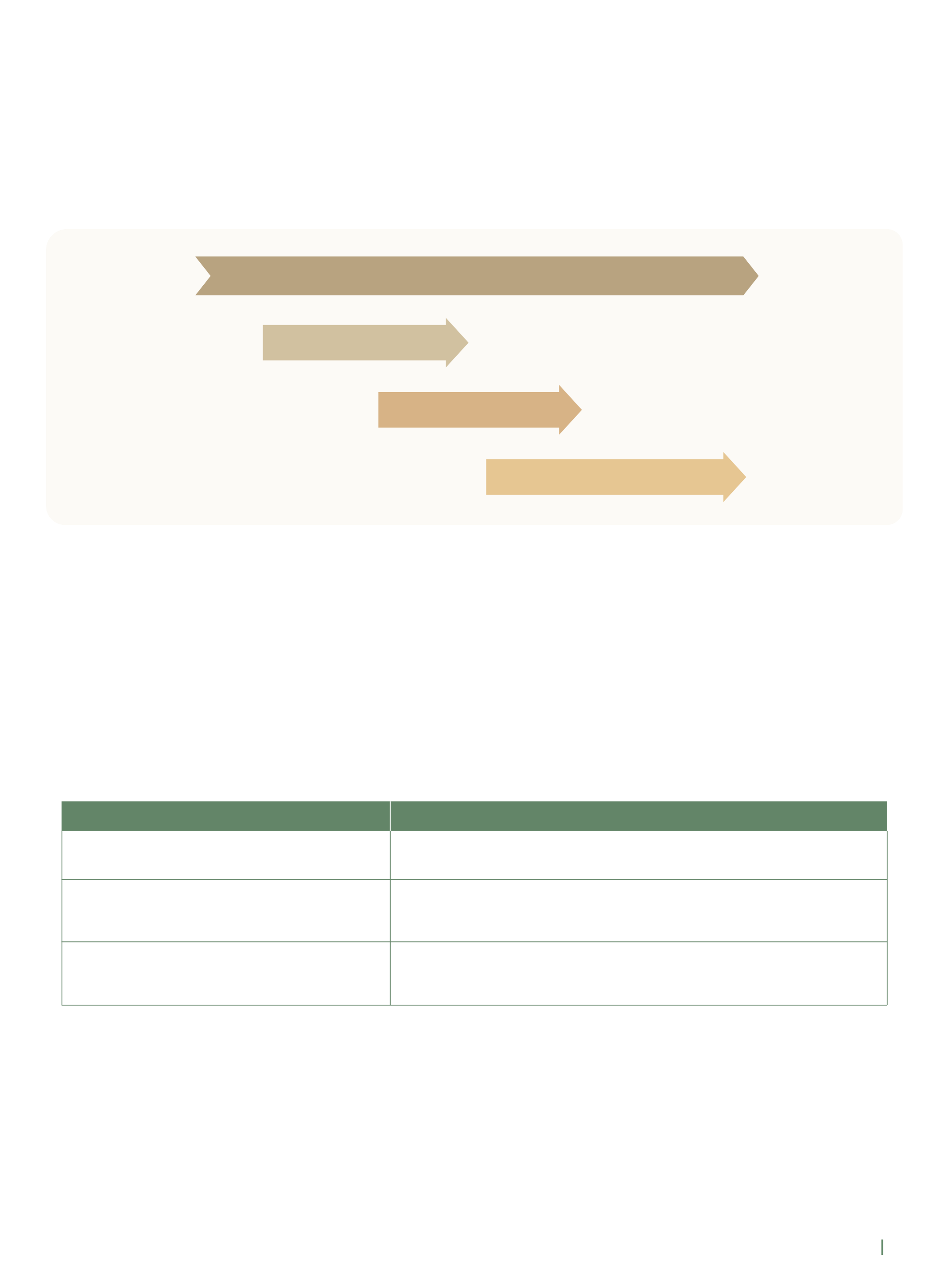
In vivo Pharmacology
In vivo pharmacology study design for bsAbs based on the MOA of bsAbs is crucial. Similar to mAbs, bsAbs in vivo
pharmacology strategy includes early pharmacodynamics(PD) study, pharmacokinetics(PK) study, and early
toxicology study.
Biologics Discovery
Early efficacy study
Pharmacokinetics study
Early Toxicology study
Pharmacodynamics study
The syngeneic animal model is a suitable option for testing bsAbs that can cross-react between mice and humans or
those with surrogate antibodies. Meanwhile, the immune humanized model is preferred for testing bsAbs that kill
tumors by activating immune cells. The table below summarizes the animal models currently used for testing bsAbs
with different MOA:
Table 6: Animal models suitable for bsAbs with different MOA
MOAs
Animal models
1. Immune humanized model
2. Transgenic animal model
Targeting tumor cells and immune cells
1. Immune humanized model
2. Transgenic animal model
Targeting two different signaling pathways
in the pathogenesis
3. Subcutaneous xenograft tumor model in immunodeficient mice
1. Transgenic animal model
Targeting different antigens or epitopes
2. Subcutaneous xenograft tumor model in immunodeficient mice
3. Patient derived xenograft (PDX) model
on the tumor cells
ProBioCDMO.com
14

Pharmacokinetics study
Demonstrating
the
efficacy
of
bsAbs
through
HRP/Biotin-
conjugated Ab
HRP/Biotin-
conjugated Ab
HRP/Biotin-conjugated
Anti-ID Ab2
pharmacokinetics strategies is more complex than with
traditional monoclonal antibodies. To assess the binding
affinity and specificity of the two different targets of bsAbs,
the indirect ELISA method is commonly used. And the
sandwich ELISA is used to analyze the complete bsAbs for
the same parameters. Finally, three concentration-time
curves are fitted and compared for agreement to
determine the structural stability of the bsAb in vivo.
BsAb
BsAb
BaAb
Anti-ID Ab1
Anti-Domain A mAb
Anti-Domain B mAb
Test target B
Test target A
Test whole bsAb
Figure 16: PK analysis strategy for bsAbs
Early toxicology study
BsAbs constructions often encounters challenges such as proteolysis, aggregation, physical instability, and low yield.
Additionally, bsAbs can induce anti-drug antibodies (ADA) in animals, which can have negative effects on long-term
toxicology. Furthermore, some bsAbs may exhibit poor pharmacokinetic (PK) profiles and abnormal clearance, which
can affect the toxicity of the drug. Therefore, conducting early toxicology studies is crucial during the development of
bsAbs before entering the CMC stage.
References:
1. Ma M, Colletti K, Yang T Y, et al. Bioanalytical challenges andunique considerations to support pharmacokinetic characterization of bispecificbiotherapeutics[J]. Bioanaly-
sis, 2019, 11(05): 427-435.
Bispecific AntibodyDevelopment Programs,FDA,2021.
2. Glutazumab, anovel long-lasting GLP-1/anti-GLP-1R antibody fusion protein, exertsanti-diabetic effects through targeting dual receptor binding sites. BiochemPharmacol.
2018, 150:46-53.
3. Labrijn A F, Janmaat M L, Reichert J M, et al. Bispecific antibodies: a mechanistic review of the pipeline[J]. Nature reviews Drug discovery, 2019, 18(8): 585-608.
15 How to Design and Evaluate Bispecific Antibodies (BsAbs)?

How to select a suitable partner for bsAb discovery?
Maintaining functionality and improving the developability of bsAbs are two essential aspects that need to be
considered throughout the discovery process. Selecting a reliable and accountable discovery partner is crucial to
de-bottleneck production and increase capacity development, which can enhance the success of obtaining bsAb
pre-clinical candidates. When choosing a partner, several elements should be considered, such as their expertise in
bsAb discovery, track record, and their ability to meet project timelines and goals.
Dedicated researchers understand the targets and MOAs with the proof of
multiple successful bsAb discovery projects.
Experience
Platforms cover target discovery, antibody generation, high-throughput
screening, antibody engineering, in vitro bioassay, in vivo pharmacology, and
developability assessment to facilitate customers obtaining the bsAb PCCs.
Technology
platform
Turn-around
Professional project management capabilities ensure a fast timeline.
time
With 20 years of experience in biologics discovery, ProBio is your optimal bsAb discovery partner!
Extensive experience
in bsAb discovery
Customized bsAb
formats
Comprehensive bsAb
discovery platform
Experience in 80+ bsAb
discovery projects
Compatible with almost any mAb
and bsAb sequence
One-stop solution from target to
PCC
CD3 Molecule: Ready-to-use CD3
molecule for T cell engager bsAb
Comprehensive antibody
discovery platform
5 strategic partners
Most advanced project is in
clinical phase 1
SMABody®: Proprietary technology
with excellent developability
In vitro bioassay and in vivo
pharmacology solutions based on
targets and MOAs
NO license fee
By Dec. 2024
ProBioCDMO.com
16

ProBio Inc.
Building 9, 311 Pennington Rocky Hill Rd,
Pennington, NJ
ProBioCDMO.com
+1-732-885-9188 (US)