
White Paper
CMC Process Challenges and Solutions for Targeted Lipid Nanoparticles(tLNPs)

WHITE PAPER
Breaking the Delivery
Bottleneck: CMC Process
Challenges and Solutions for
Targeted Lipid Nanoparticles
(tLNPs)
ProBioCDMO.com

Introduction
Targeted lipid nanoparticles (tLNPs) enable active, cell specific delivery by covalently conjugating antibodies or antibody
fragments, such as scFv and VHH, onto the surface of lipid nanoparticles (LNPs). This strategy significantly improves
delivery efficiency while enhancing therapeutic safety¹.
In vivo CAR-T cell therapy represents one of the most promising applications for tLNP platforms. Conventional ex vivo
CAR-T therapies have demonstrated strong clinical efficacy across hematologic malignancies, solid tumors, and
autoimmune diseases²,³. However, their widespread adoption is limited by complex manufacturing workflows and high
treatment costs, which often range from $370,000 to $530,000 USD per patient⁴.
In vivo CAR-T therapy overcomes these limitations by directly delivering CAR-encoding genetic material into patients,
enabling T-cell engineering in situ. This approach eliminates ex vivo manipulation, shortens treatment timelines to days,
and enables order-of-magnitude cost reductions5.
Industrial progress in this field has accelerated rapidly. In 2025, Capstan Therapeutics, in collaboration with the University
of Pennsylvania, reported in Science the successful generation of functional CAR-T cells in non-human primates using
targeted LNPs6. In the same year, Orbital Therapeutics disclosed preclinical data for its circular RNA LNP candidate OTX
201, demonstrating deep B-cell depletion7,8. Large pharmaceutical companies responded quickly through major
acquisitions9–¹¹, marking the formal entry of in vivo CAR-T therapy into an industrialization phase.
Compared with viral vectors, antibody functionalized tLNP platforms offer advantages including repeat dosing, elimination
of insertional mutagenesis risk, and high manufacturing scalability¹²,¹³. By optimizing both delivery systems and genetic
payloads, tLNP mediated in vivo CAR T therapies are progressing from proof of concept toward clinical translation5,¹⁴.
1
Breaking the Delivery Bottleneck: CMC Process Challenges and Solutions for Targeted Lipid Nanoparticles (tLNPs)
Process Development Challenges for tLNPs
tLNPs are complex drug delivery systems that integrate targeting antibodies with delivery vectors. During CMC
development, tLNPs face numerous challenges, which are primarily reflected in the complexity of development stages
and the high degree of process integration. These challenges include difficulties in targeting modification, process control,
product homogeneity, stability, and scale-up manufacturing. Among them, the random distribution of surface-conjugated
antibodies and the heterogeneity in surface antibody content represent key pain points for tLNP products.
In addition, tLNP production involves multiple interconnected processes, including gene synthesis and plasmid manufacturing,
cell line development and antibody production, as well as IVT mRNA production, LNP formulation, and antibody-LNP
conjugation. This requires coordinated development and management of each step at the design stage to ensure
synchronized progress across multiple workflows15.
Among these processes, antibody-LNP conjugation is one of the critical steps affecting product performance and formulation
quality. Unlike traditional antibody-drug conjugates (ADCs), the location of reactive functional groups on the antibody
surface and the orientation of antibody structure can influence the conjugation efficiency between antibodies and LNPs.
Antibodies with compact structures, such as Fab fragments, single-chain variable fragments (scFv), or single-domain
antibodies (VHH), are commonly used in tLNP preparation. Smaller antibody formats facilitate lipid nanoparticle penetration
into solid tissues or tumors, and tLNP particle size is typically required to be less than 100 nm.
Currently, conjugation strategies are generally divided into random conjugation and site-specific conjugation. Random
conjugation usually involves non-selective, multi-site reactions, in which the binding sites, number, and spatial orientation
of conjugated antibodies on the LNP surface are uncontrollable. In contrast, site-specific conjugation more readily produces
tLNP products with more uniform surface antibody orientation16.
In addition, antibody modification density on the LNP surface is also a critical factor influencing cell targeted delivery
efficiency. Single-particle characterization data indicate that some lipid nanoparticles fail to successfully conjugate
antibodies and therefore lose targeting capability. Conversely, excessive antibody surface density on some lipid nanoparticles
may increase the risk of aggregation and elevated immunogenicity. Depending on the antibody type, the surface antibody
density on LNPs needs to be controlled within different ranges.
Across different conjugation strategies, random conjugation may lead to “steric shielding” and incorrect spatial orientation
of surface-conjugated antibodies on tLNPs. For example, some antibodies may be oriented “upright” on the tLNP surface,
while others may lie “flat” on the surface. Only antibodies that are “upright” on the tLNP surface possess the ability to
recognize and bind their target receptors. Some studies report that the functionally active “upright” antibodies account for
approximately 30–60% of the total conjugated antibodies, which directly reduces in vivo delivery efficiency and increases
the risk of off-target effects20.
Finally, as a highly complex multicomponent delivery system combining nanomedicine and biological macromolecules,
tLNPs face unique challenges in quality control. From manufacturing processes to quality testing, consistency must be
ensured at every step. Most tLNP-related studies remain at the preclinical stage with limited clinical data being published,
which further complicates quality management and specification establishment for tLNP products. It represents the
long-term need for continuous process optimization and product stability enhancement.
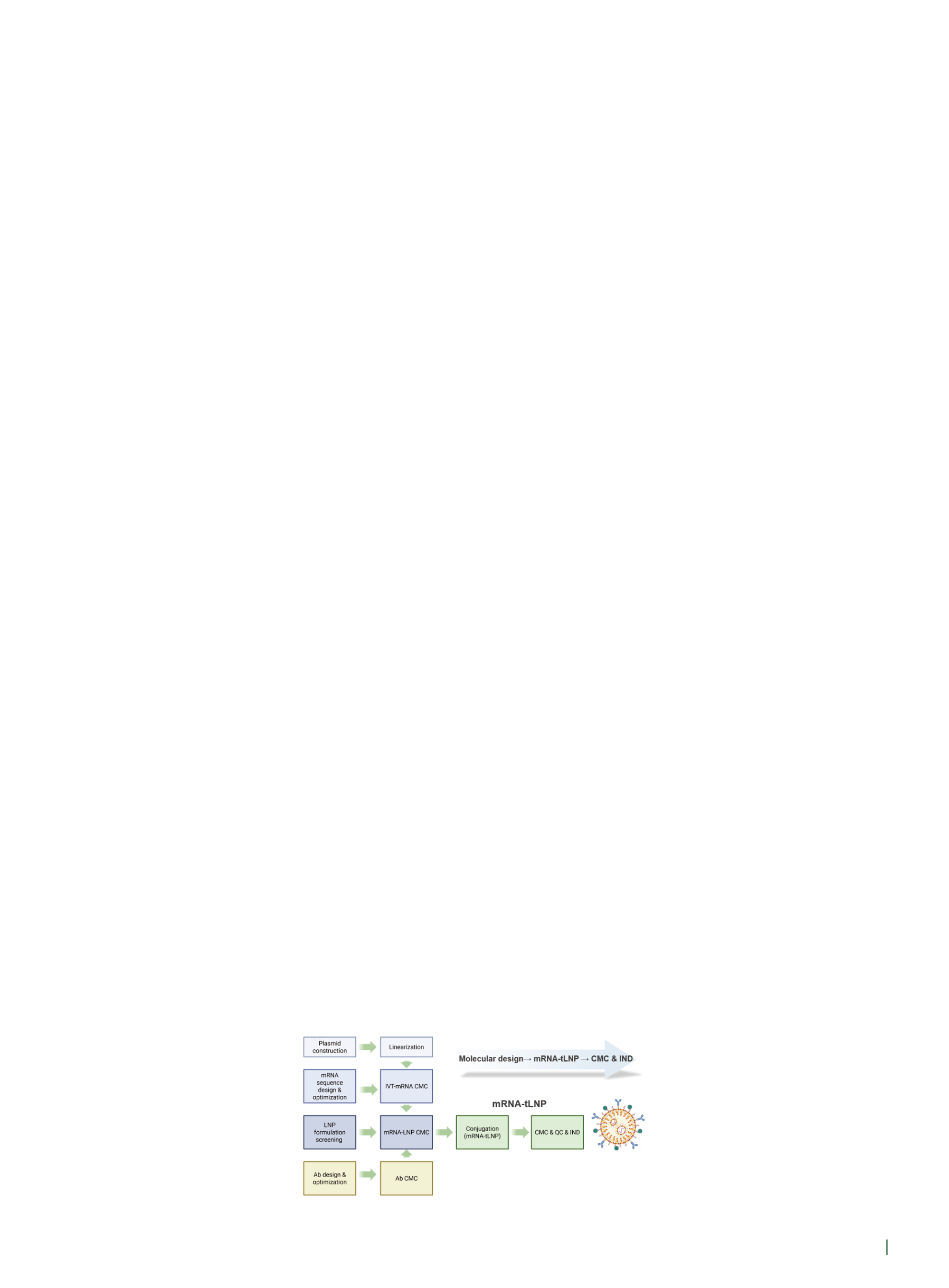
Figure 1. CMC services spanning plasmid DNA, IVT mRNA, LNP, and tLNP development
ProBioCDMO.com
2
Analysis of Multiple tLNP Conjugation Strategies and Their
Advantages and Limitations
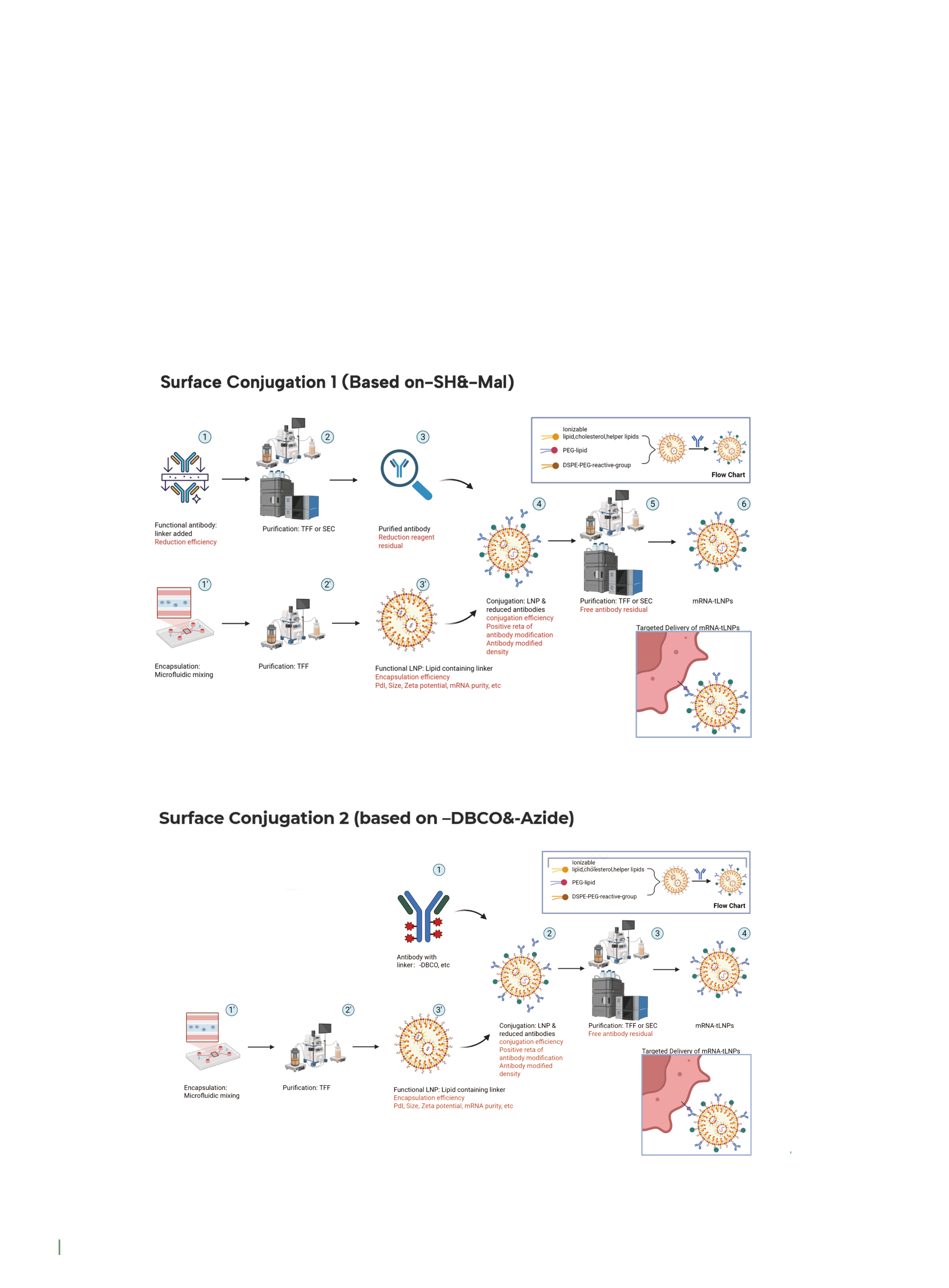
tLNPs can be prepared using a variety of conjugation approaches. Among these, surface conjugation strategies and post
insertion strategies are the most commonly applied in industrial settings (Figure 2). In surface conjugation, chemically
functionalized antibodies bearing reactive groups on their surface are covalently linked to correspondingly modified LNPs
through specific chemical reactions. In contrast, the post-insertion strategy involves co-incubating pre-formed LNPs with
antibody-lipid conjugates (micelles) in a buffered solution, allowing antibodies to be incorporated onto the LNP surface
through lipid insertion.
In addition to these two approaches, researchers have also developed multiple alternative strategies for tLNP preparation,
including one-pot methods, ASSET strategies, and conjugation approaches that do not rely on chemical modification.
Figure 2. Preparation of tLNPs by surface conjugation based on –SH and –Mal reactions
Figure 3. Preparation of tLNPs by surface conjugation based on click chemistry reactions
3 Breaking the Delivery Bottleneck: CMC Process Challenges and Solutions for Targeted Lipid Nanoparticles (tLNPs)
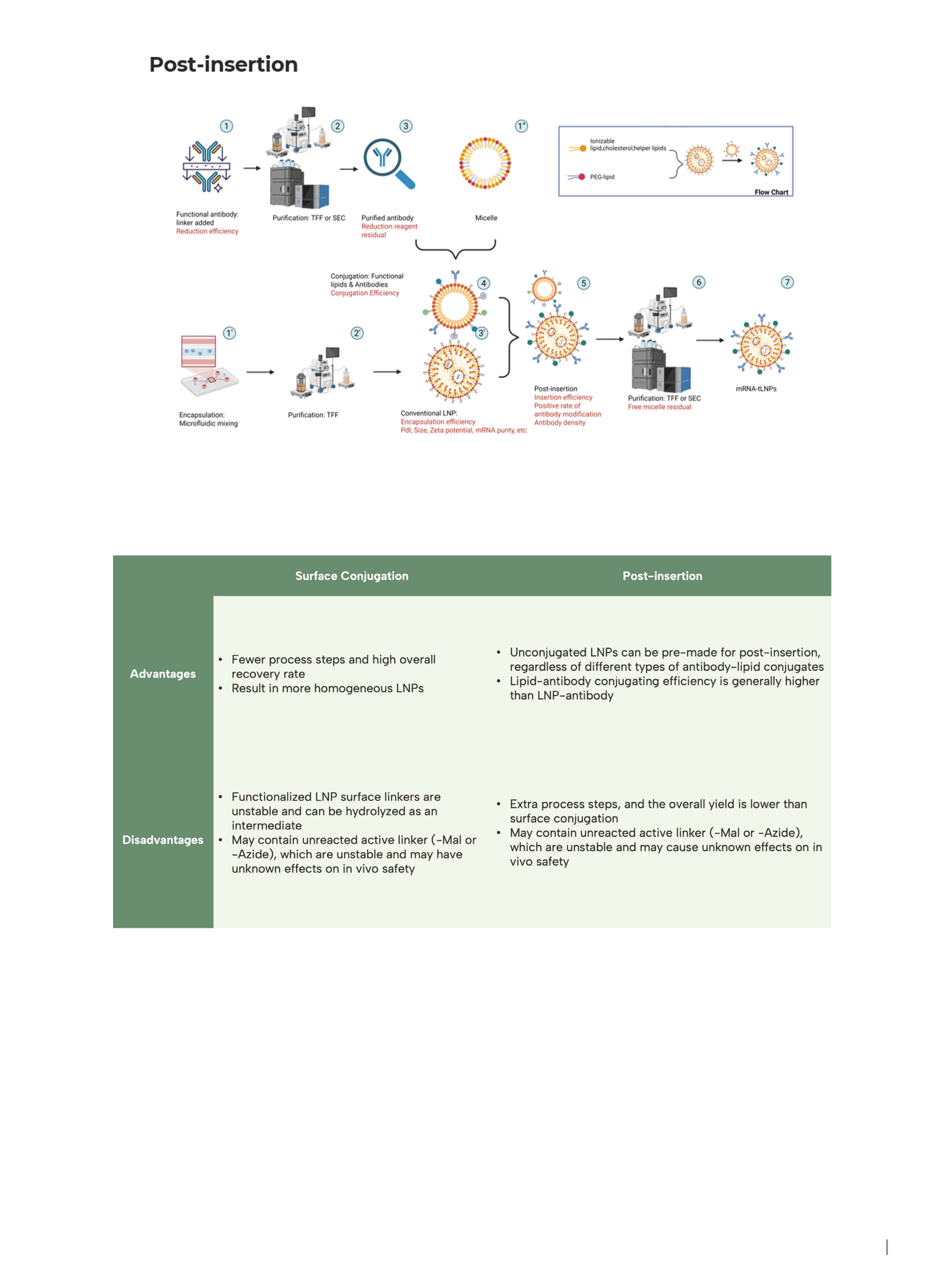
Figure 4. Preparation of tLNPs by post insertion
Table 1. Comparison of surface conjugation and post insertion strategies
ProBioCDMO.com
4
ProBio has established a robust and scalable conjugation process platform based on both surface conjugation and
post-insertion strategies, with demonstrated capability for large-scale production. To date, scale-up studies across multiple
antibody molecules and conjugation pathways have shown consistent process performance, with process recovery yields
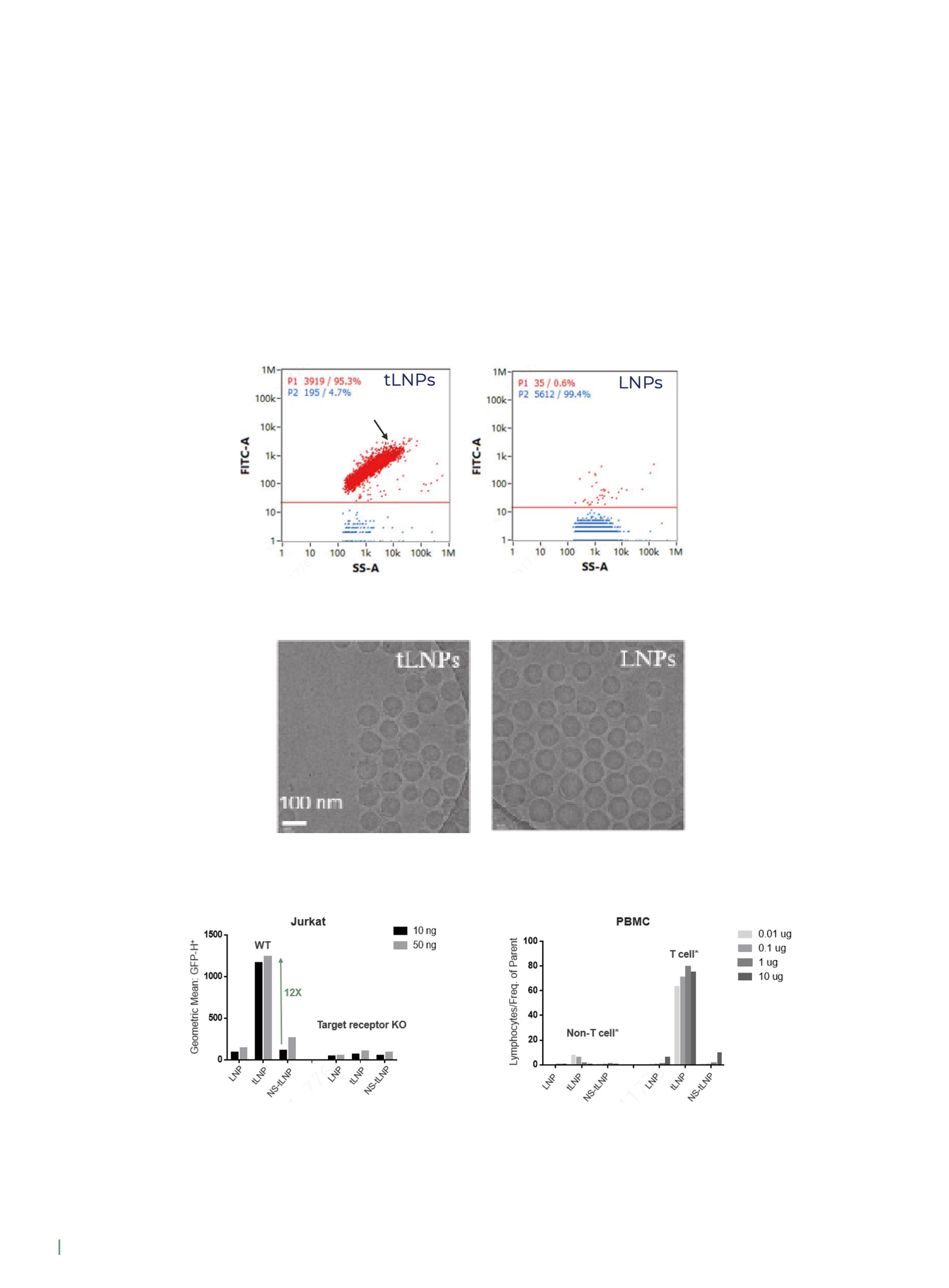
exceeding 60%, high antibody-LNP conjugation efficiency, and greater than 95% antibody modification positivity on the
surface of tLNPs (Figure 5).
The antibody-LNP conjugation process is robust and stable. Following antibody conjugation, LNPs maintain uniform and
stable particle size distribution (Figure 6). Compared with LNPs without antibody conjugation (LNP group) and LNPs
conjugated with negative control antibodies (NS-LNP group), tLNPs demonstrate a more than 100-fold enhancement in
T-cell-targeted delivery efficiency (Figure 7).
In addition, ProBio can flexibly design conjugation processes according to specific requirements from the clients and
develop stable process scale-up for manufacturing.
Figure 5. ProBio R&D results: nano flow cytometry data showing fluorescence signals of surface
conjugated antibodies on tLNPs (indicated by arrows)
Figure 6. ProBio R&D project results: cryo electron microscopy images. Arrows indicate the dense
electron layer on the surface of tLNPs, which is absent on the surface of unconjugated LNPs.
Figure 7. ProBio R&D project results: in vitro evaluation of targeted delivery efficiency (LNP encapsulated EGFP mRNA). LNP:
conventional LNPs without antibody conjugation; tLNP: LNPs conjugated with targeting antibodies; NS LNP: LNPs conjugated with
non specific (negative control) antibodies. Compared with LNP and NS LNP, tLNPs exhibit targeted delivery and high EGFP
expression in the target cell line.
5 Breaking the Delivery Bottleneck: CMC Process Challenges and Solutions for Targeted Lipid Nanoparticles (tLNPs)
Comprehensive Characterization and Quality Control Strategy for tLNP
Products
The U.S. Food and Drug Administration (FDA) has issued guidance specific to lipid nanoparticle (LNP) drug products,
emphasizing that the quality, safety, and efficacy of these products are closely linked to manufacturing conditions¹7. For
complex nanomedicines such as tLNPs, product quality is particularly dependent on the CMC process. Minor changes in
process parameters may affect nanoparticle size, surface charge, antibody modification positivity rate, and other critical
quality attributes, which in turn influence biodistribution, in vivo clearance, and therapeutic performance¹8.
For example, during the preparation of functionalized LNPs, changes in the insertion ratio of DSPE-PEG-Mal lipids or
adjustments to the input amount of functionalized antibodies during antibody-LNP conjugation can lead to variations in
tLNP particle size¹8. LNPs with smaller particle sizes (<80 nm) often exhibit higher transfection or delivery efficiency, as they
are more readily taken up by cells and more easily enter systemic circulation¹9.
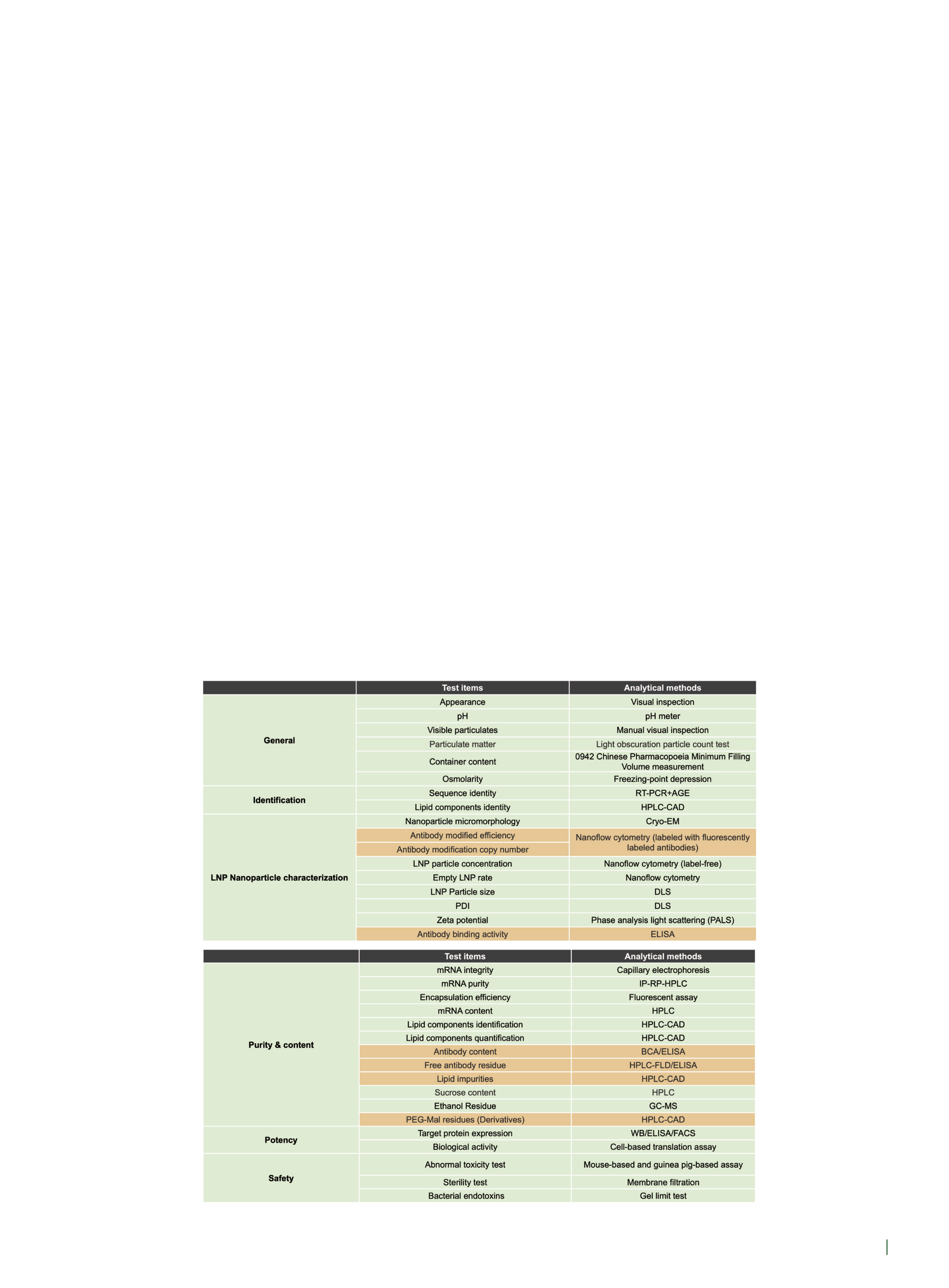
ProBio has established comprehensive quality control parameters for tLNP products. Table 3 presents selected key quality
attributes of tLNPs. Within the physical characterization of LNPs, particular emphasis is placed on parameters such as
particle size and the antibody modification positivity rate on the LNP surface. These attributes are directly correlated with
targeted delivery performance and can also be used to evaluate the robustness of process conditions across different
production batches or conjugation reactions.
During tLNP manufacturing and purification, antibody conjugation efficiency and residual free antibody content are critical
process parameters and quality attributes. However, due to the inherent challenges associated with separating antibodies
from LNPs, analytical characterization is technically demanding. ProBio has developed HPLC-based quantitative methods
to characterize antibody conjugation efficiency during the conjugation process as well as residual free antibody levels in
the final product. Based on these analytical results, ProBio’s manufacturing processes enable precise control of antibody
conjugation levels, supporting the production of tLNPs in accordance with Quality by Design (QbD) principles.
Table 3. Key quality attributes of tLNP products
ProBioCDMO.com
6
In addition to establishing comprehensive quality control strategies for the final product, ProBio has also implemented
stringent in-process control strategies throughout the CMC process for tLNP products. At multiple critical process steps,
such as antibody functionalization (including TCEP reduction and SATA modification), ProBio has established
structure-function (“structure–activity”) data models. The purpose of these models is to evaluate scientific feasibility at an
early stage of project development using more efficient approaches with reduced experimental and time costs.
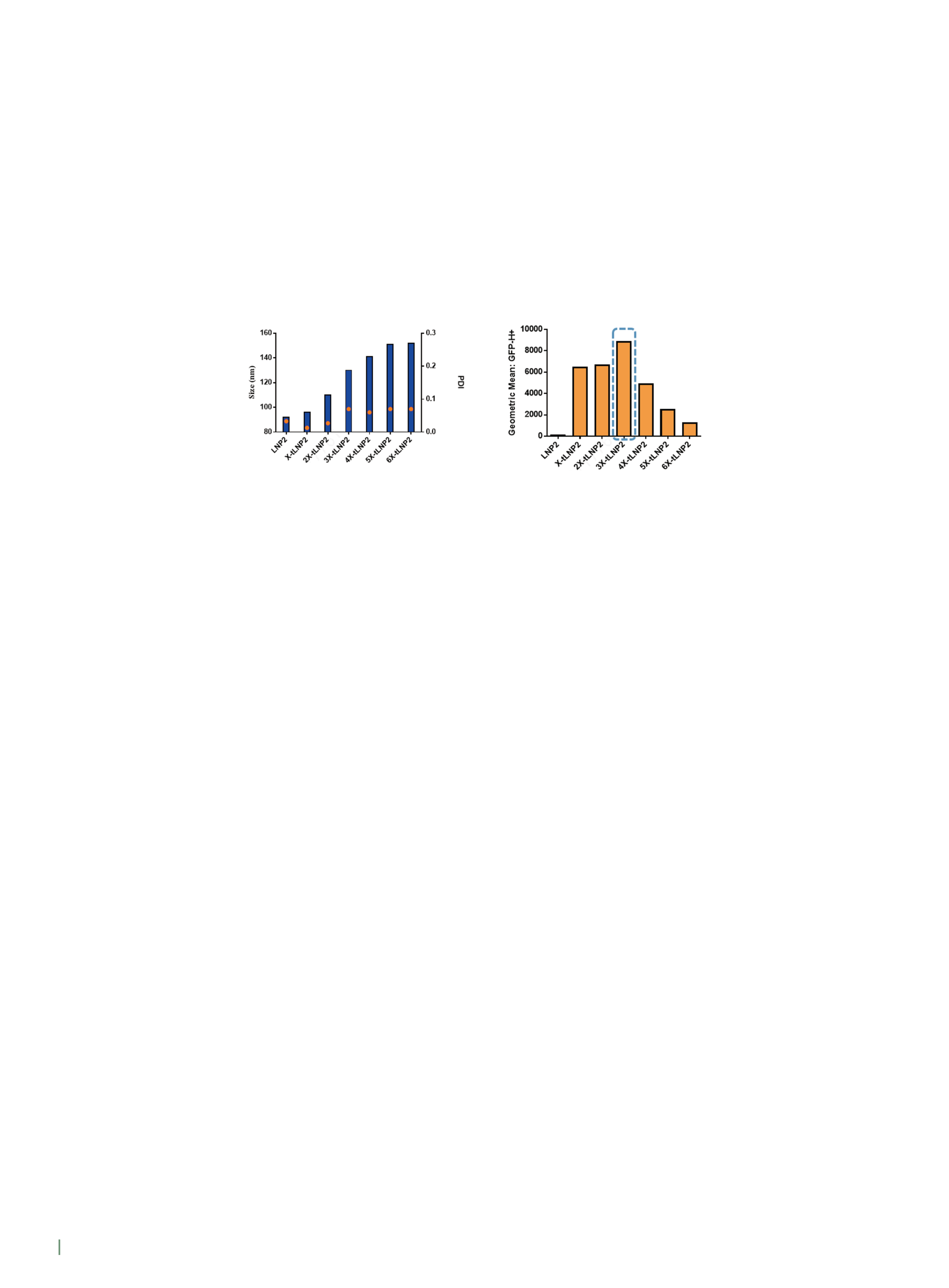
For example, the density of antibody modification on the LNP surface is closely correlated with targeted delivery performance.
Accordingly, during the antibody-LNP conjugation stage, ProBio employs process optimization strategies such as
controlling the insertion ratio of PEG lipids bearing functional groups into LNPs, as well as adjusting the antibody input ratio
during antibody-LNP conjugation. Through these approaches, precise control of antibody surface modification density on
LNPs can be achieved (Figure 8), thereby enabling optimal targeted delivery performance of tLNPs.
Figure 8. Optimization of antibody surface conjugation density on tLNPs
Summary of Core Advantages of the tLNP Platform
Leveraging its one-stop protein technology development platform, ProBio provides customers with efficient and reliable
process development services and has successfully supported the development of a wide range of molecular formats,
including monoclonal antibodies, nanobodies, bispecific antibodies, fusion proteins, and other recombinant proteins. In
particular, ProBio has accumulated extensive experience in the development of nanobodies and antibody fragments and
has established mature, platform-based processes that enable the rapid delivery of high quality native antibodies suitable
for LNP conjugation.
VHH and scFv molecules have relatively small molecular weights, typically in the range of 15 to 30 kDa. Their compact size
allows high-density presentation of multiple targeting ligands on the surface of LNPs, effectively reducing steric hindrance.
These size advantages facilitate faster tissue penetration and more homogeneous in vivo distribution of LNPs, while
maintaining prolonged circulation time and enhancing tissue penetration. In addition, removal of the Fc region significantly
reduces immunogenicity, thereby lowering the risk of off-target uptake and undesired immune responses. As a result, VHH
and scFv formats are widely regarded as ideal targeting ligands for LNP conjugation, and their purification strategies
require tailored optimization based on their structural and physicochemical properties.
For different VHH configurations, such as the presence or absence of VH3 domains, ProBio has established differentiated
platform strategies. For molecules with Protein A affinity, high-capacity capture resins can be preferentially selected. For
molecules lacking Protein A binding capability, optimal alternative capture strategies can be rapidly identified. When
processing sequences with specific modifications, such as unpaired cysteine residues, the platform has well-established
expertise to accurately identify critical impurities and optimize process conditions. This enables the delivery of proteins
with high recovery and high purity, meeting the requirements for LNP conjugation applications.
For LNP manufacturing, the platform employs widely adopted microfluidic technologies and optimized key process
parameters, achieving encapsulation efficiencies up to 99.7%. In addition, the LNP platform demonstrates strong versatility,
supporting multiple LNP formulations and accommodating a broad range of customer needs.
ProBio has supported multiple mRNA programs in obtaining international IND approvals, and several RNA-tLNP CMC
projects are currently ongoing with gram level GMP-grade drug products delivered. ProBio holds extensive experiences in
serving global clients and is well positioned to support the advancement and industrialization of in vivo CAR-T therapies
via the tLNP pathway.
7
Breaking the Delivery Bottleneck: CMC Process Challenges and Solutions for Targeted Lipid Nanoparticles (tLNPs)

References
1. Billingsley, M. M., Hamilton, A. G., Mai, D., Patel, S. K., Mitchell, M. J., et al. (2024). In vivo mRNA CAR T cell engineering
via targeted ionizable lipid nanoparticles with extrahepatic tropism. Small, 20(11), e2304378.
2. Hunter, T. L., Bao, Y., Zhang, Y., et al. (2025). In vivo CAR T cell generation to treat cancer and autoimmune
3. Kong, Y., Liu, Z., Wang, H., Zhang, L. (2025). CAR-T cell therapy: Developments, challenges and expanded
applications from cancer to autoimmunity. Frontiers in Immunology, 15, 1519671. https://doi.org/10.3389
/fimmu.2024.1519671
4. Kitte, R., et al. (2024). Steering the course of CAR T cell therapy with lipid nanoparticles. Journal of Nanobiotechnology,
5. Orbital Therapeutics. (2025, July 22). Orbital Therapeutics presents non-human primate data for in vivo CAR-T
therapy with potential best-in-class profile for autoimmune disease [Press release].
6. Orbital Therapeutics. (2025). Company profile. BIO International Convention.
7. Song, Z., et al. (2025). In vivo production of CAR T cells: Opportunities and challenges. Genes & Diseases.
Advance online publication. PMID: 40821123
8. Stemer, G., et al. (2025). Costs, challenges and opportunities of decentralized chimeric antigen receptor T-cell
production: A literature review and clinical experts’ interviews. European Journal of Hospital Pharmacy, 32(3),
9. Xu, J., et al. (2025). In vivo CAR cell therapy: From bench to bedside. Journal of Hematology & Oncology. Advance
online publication. PMID: 41261423
10. Yang, Z., et al. (2025). Expanding the horizon of CAR T cell therapy: From cancer treatment to autoimmune diseases
11. Zhou, J., et al. (2022). Lipid nanoparticles produce chimeric antigen receptor T cells with interleukin-6 knockdown
12. AbbVie Inc. (2025, June). AbbVie completes acquisition of Capstan Therapeutics [Press release].
13. Bristol Myers Squibb. (2025, October). Bristol Myers Squibb acquires Orbital Therapeutics [Press release].
14. Eli Lilly and Company. (2026, February). Eli Lilly completes acquisition of Orna Therapeutics [Press release].
15. Kim, J., Anderson, D. G. (2024). Conjugation strategies for antibody-functionalized lipid nanoparticles: Impact on
targeting efficiency and product homogeneity. Advanced Drug Delivery Reviews, 205, 115182.
16 Li, M., Zhao, R. (2024). Small antibody formats for targeted lipid nanoparticle delivery: Fab, scFv, and VHH in
17. U.S. Food and Drug Administration. (2024). Platform Technology Designation Program for Drug Development:
Guidance for Industry. https://www.fda.gov/media/178928/download
18. Chen, Y., Liu, X. (2025). Critical process parameters in the manufacturing of antibody functionalized lipid
nanoparticles: Impact on product quality and biological performance. International Journal of Pharmaceutics, 670,
19. Wang, H., Zhang, L. (2024). Particle size control in targeted lipid nanoparticles: Implications for cellular uptake,
biodistribution, and transfection efficiency. Journal of Controlled Release, 365, 112–125. https://doi.org/10.1016
/j.jconrel.2023.11.028
20. Chen, M.Z., Yuen, D., McLeod, V.M. et al. A versatile antibody capture system drives specific in vivo delivery of
mRNA-loaded lipid nanoparticles. Nat. Nanotechnol. 20, 1273–1284 (2025). https://doi.org/10.1038/s41565-025-01954-9
ProBioCDMO.com
8

ProBio Inc.
Building 9, 311 Pennington Rocky Hill Rd,
Pennington, NJ
ProBioCDMO.com
+1-732-885-9188 (US)