
Brochure
Well-suited Antibody Discovery Strategy for CAR T Cell Therapy

Well-suited Antibody
Discovery Strategy for
CAR T Cell Therapy
One-stop CAR-T Discovery Solution
From Target to CAR-T Preclinical Candidates (PCC)
Begin with The End in Mind
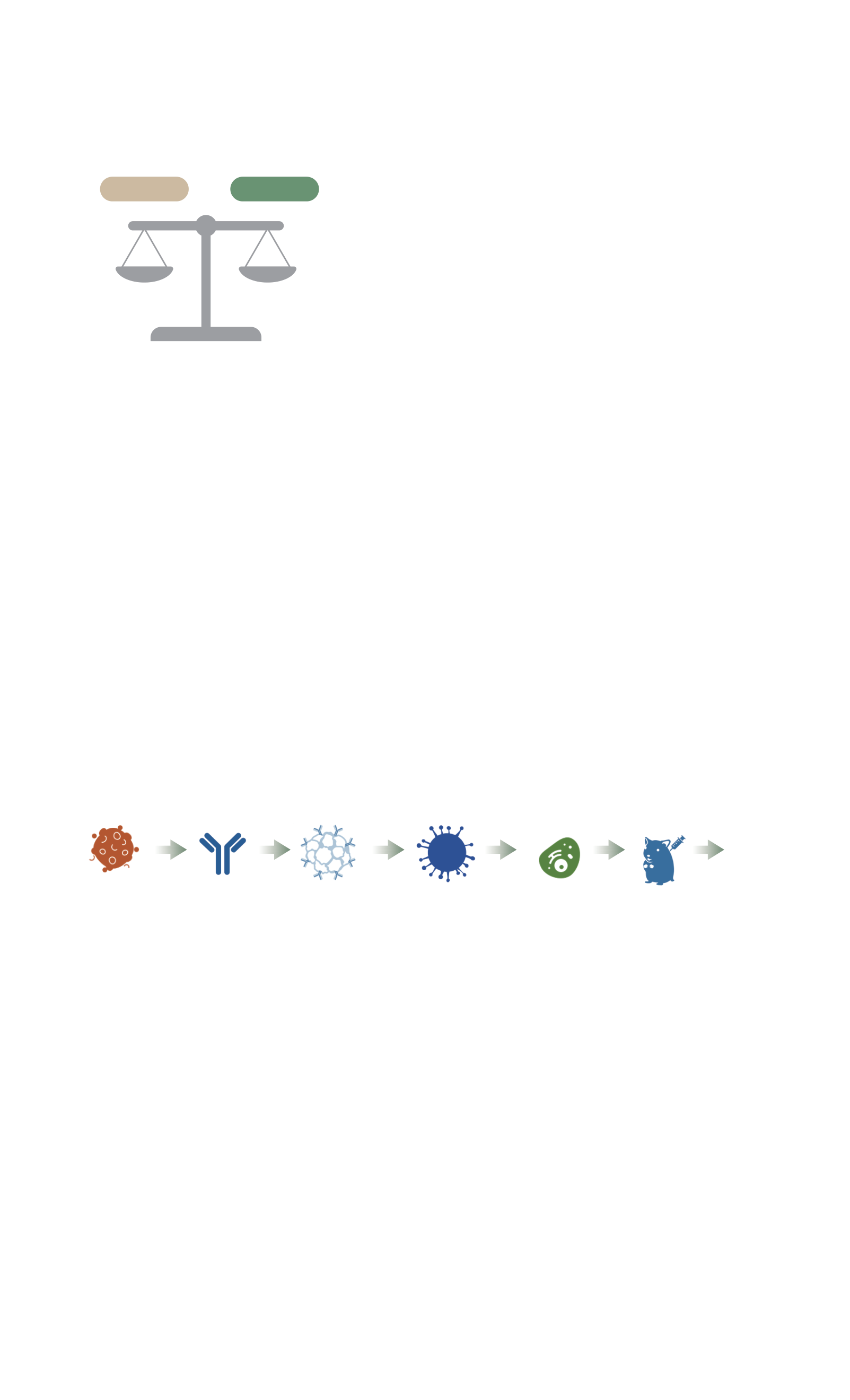
Balance the Drug Efficacy and Safety
CAR T cell therapy faces many challenges in the R&D
stage, such as CAR-T cell-associated toxicities,
on-target off-tumor effects, antigen escape, etc.
These issues can be addressed through the rational
design of CAR leads, such as altering CAR structure to
ameliorate toxicity, modifying CAR transduced T
cells and neurotoxicity, targeting multiple antigens
(dual or tandem CARs), and so on.
Efficacy
Safety
During the CAR lead design phase, it is crucial to consider the balance between efficacy and safety to
ensure the success of the drug in the clinical stage.
Well-suited Antibody Discovery Strategy for CAR Leads
ProBio offers a comprehensive antibody discovery platform that is exceptionally well-suited for CAR
lead discovery. What sets our CAR lead discovery platform apart is its diverse array of customized
antibody discovery strategies, in-depth in vitro bioassays, and comprehensive in vivo pharmacology
studies. Our goal is to assist you in identifying fully-validated antibody candidates with desirable
affinity, epitope and sequence diversity, while minimizing the risks associated with developability,
immunogenicity, and thermostability.
One-stop CAR-T Discovery Solution
From Target to CAR-T Preclinical Candidates (PCC)
Clinical
Trials
Target
Identification &
Selection
High Affinity
ScFv/sdAb
Generation
CAR Design &
Construction
Virus Packaging
& CAR Gene
Delivery
CAR-T In
CAR-T In
Vitro Assay
Vivo Assay
Excellence Proven by Impressive Track Record
20 1500+ 900+ 1
years of expertise in
antibody drug discovery
lead generation
projects
lead optimization
projects
Most advanced project
for CAR discovery has
been marketed
1
Bring Together Various Technology Platforms Under
One-roof and Maximize the PCC Success Rate
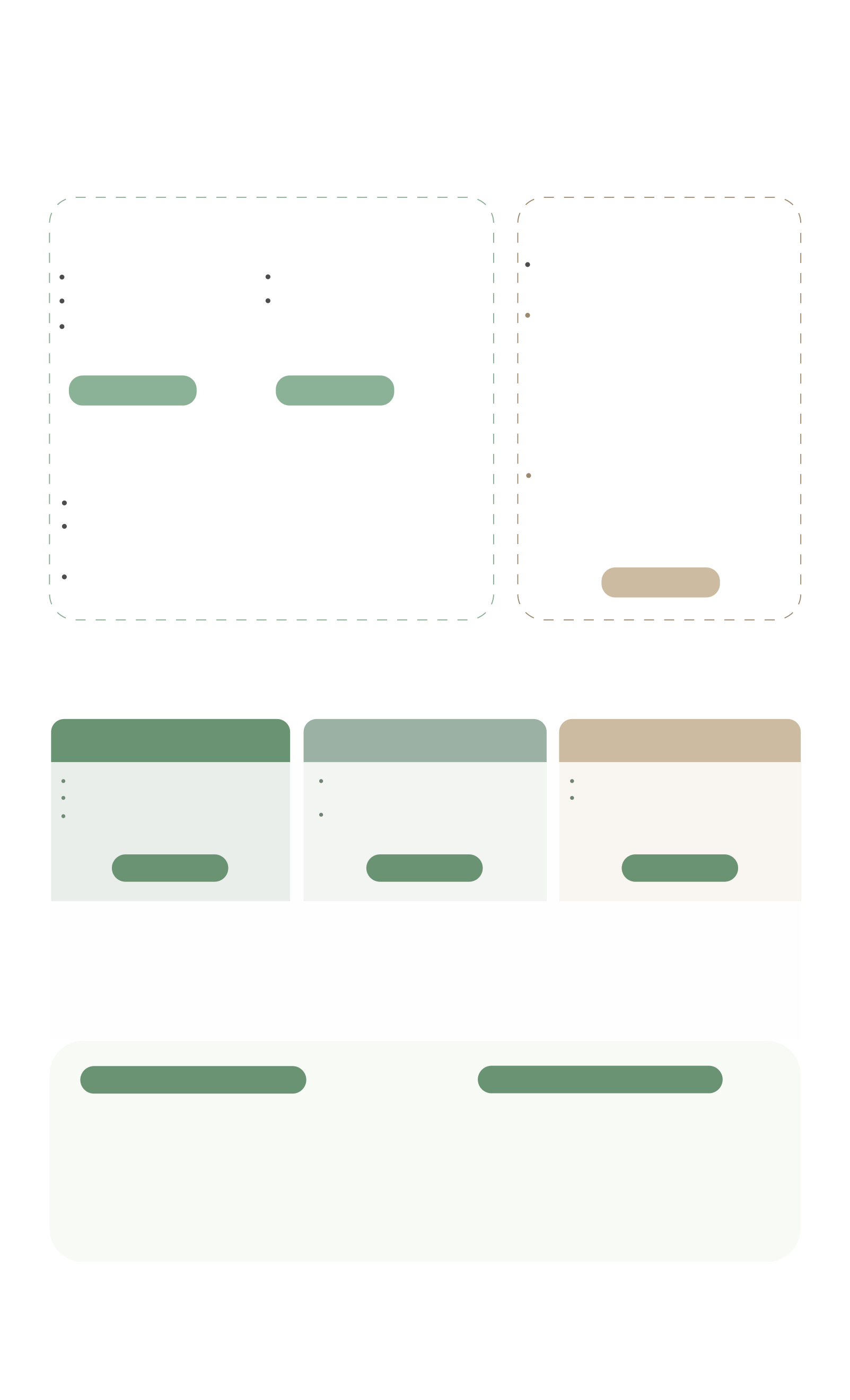
Three sdAb Lead Generation Approaches
sdAb Naïve Library
sdAb Immunized Library
Beacon-based sdAb discovery
Unique method in Alpaca single B cell
preparation
300 Alpaca donors;
Library size: 2×10¹¹
In frame rate/ORF rate:
>95%
Easy access to Alpaca farm
Using only naïve Alpaca for
each project
Beacon® Platform
High-throughput, high-resolution
Complete in-chip multiple sequential
screening in 1 day!
√
√
5-6 weeks
12-16 weeks
Avoid the sequence diversity loss
√
SPSSdAbTM Platform
ProSpeedTM Expression Platform:
Inducible sdAb expression in supernatant
Allow faster and more cost-effective
discovery of functional Ab leads !
Extremely high affinity of SASA tag (pmol for BSA) to allow high
throughput affinity ranking by SPR
Further elimination of false positive clones by SPR ranking
9-13 weeks
3 scFv Lead Generation Approaches
PowerdomaTM Hybridoma
Discovery Platform
ProSpeedTM Single B
Human Fab Naïve Library
Cell Screening Platform
Proven Excellence
Extremely Fast, Minimal
Diversity Loss
250+ Projects Completed
High Capacity Exceeding 10^11,
High Diversity, High Quality
950+ Projects Completed
15 Projects Advanced to
Clinical Trials
2 months
1 months
1 months
Accelerating the Discovery of “Me-better” CAR Lead
Candidates
Developability Optimizations
Functionality Optimization
Antibody affinity maturation
Antibody Humanization
10-fold affinity improvement guaranteed
Industry-leading timeline in 2.5 weeks
Fc engineering
Antibody Developability
ADCC, CDC, ADCP enhancement , STR Fc
silencing technology and half-life extension
Prediction, optimization, and assessment
2
All-inclusive Bioassay Services from Vector
Construction to Functional Assay
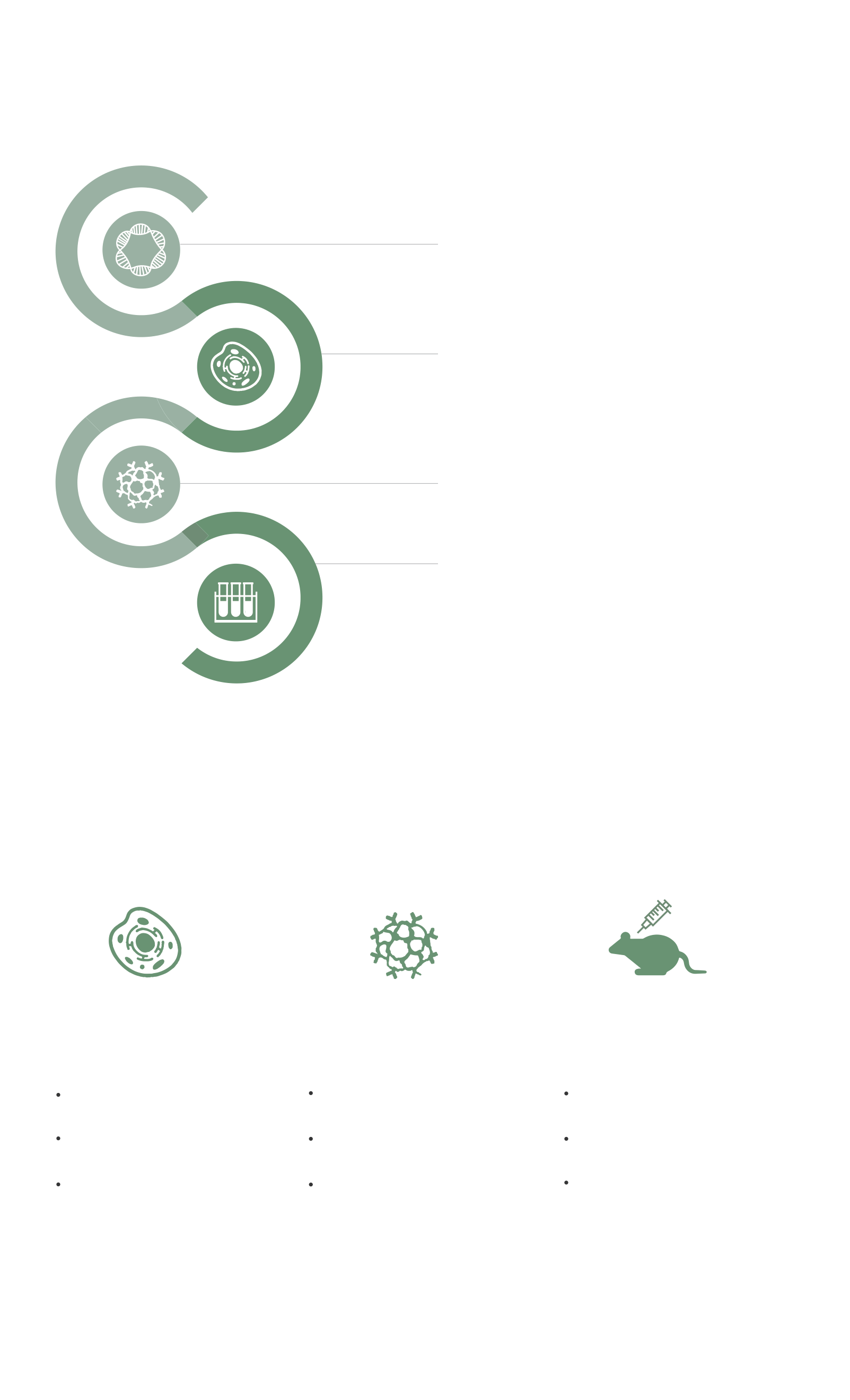
Generation of CAR encoding vector
FTO CAR vector
•
T cell activation and transduction
•
•
•
Non-virus transfection
Lentivirus
Retrovira
Expansion of CAR-T cells
High-fold expansion
•
Functional assay for cytotoxicity
and cytokine release
•
•
•
•
Time-based killing assay
Cancer cell lines
Overexpression cell lines
Luciferase target cells
CAR-T In Vivo Pharmacology Services that Span the
Entire Drug Discovery and Development
Milestone 1: Efficacy
Milestone 2 : PK study
Milestone 3 : Toxicity
(TGI,T/C,Survival)
(Circulating & Infiltrated)
(ex vivo & In vivo)
Cell line screening based on
IHC panel or FACS
Tumorigenic or pilot experi-
ment(benchmark)
In vivo efficacy including
screening/dose-response
finding
CAR+/Total T cell detection
method (FACS or PCR)
Circulating CAR-T cell
persistence
Early TCR study(human/mon-
key/rat/mice)
Single dose toxicity based on
xenograft mice(or WT mice)
General observation, temperature,
pathological etc.
Tumor CAR-T cell infiltration
3
Case Study
Utilization of naïve VHH phage display library & integrated antibody engineering
platform to generate antibody leads for CAR-T therapy
In this case study, an alpaca naïve VHH library was panned and screened by ROR1 proteins of 3
different ECDs and CHO-K1/ROR1 cell line to identify ROR1 VHH candidates. These VHH candidates
were used to construct CAR-T cells and further evaluated by vitro functional assays, based on which
final leads were selected for optimization by affinity maturation and ready for the development of
CAR-T therapies.
Alpaca naïve library panning by ROR1 ECD
protein (full length, FZD or KRD domain)
lg
FZD
KRD
lg-like domain
EMB-07
AHP15485
tttt
Binding specificity via ELISA/FACS
>400 hits
Frizzled domain
NVG-111
AHP15662
AHP15580
Sequencing and confirmation
by IgG conversion
30 ROR1 binder
Kringle domain
VHH-Fc: ELISA/FACS/bioassay
23 ROR1 VHHs
In vitro bioassay: CAR-T
8 ROR1 VHHs
3 ROR1 VHHs
Humanization &
Affinity maturation
VHH candidates against three different
ECD domains were obtained by differen-
tial panning/screening strategy
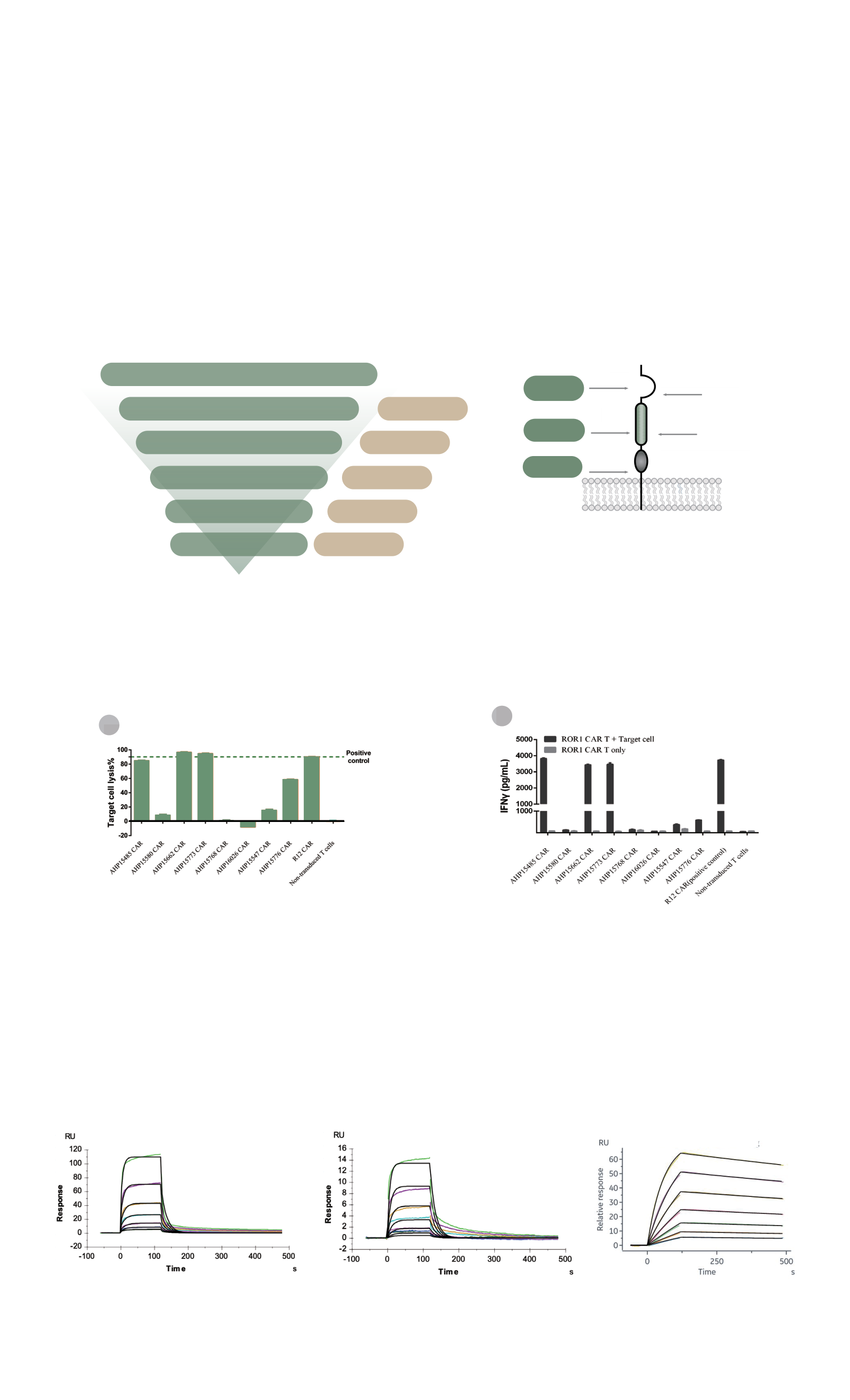
Functional evaluation of ROR1 VHHs in a CAR-T setting in vitro. CAR-T cells was constructed by
transduction of primary T cells with CAR constructs containing relevant VHH candidates, and evaluat-
ed by in vitro function assays.
ROR1 CAR T cell activation assay_IFNγ production
B
A
Luciferase Based Killing Assay
(A) Cytotoxicity assay was performed after co-incuba-
tion of CAR-T cells (effectors) and CHO-K1/ROR1/Luc
for 24 hours. The percentage of target cell lysis was
calculated per luminescence signal
(B) The release of representative
cytokines (IFN-γ) by ROR1 CAR-T cells in
response to co-incubation with target cells
was measured by ELISA assays
Full kinetic SPR analysis revealed that the affinity of a top candidate (AHP15485) was maintained
after humanization, and greatly improved after affinity maturation (> 30 fold).
(A) Parental VHH
(B) Humanized VHH
(C) Affinity matured VHH
KD= 280nM
KD= 320nM
KD= 8.9nM
4

ProBio Inc.
Building 9, 311 Pennington Rocky Hill Rd,
Pennington, NJ